
Uzbekistan to Build Central Asia’s First Pumped-Storage Hydropower Plants
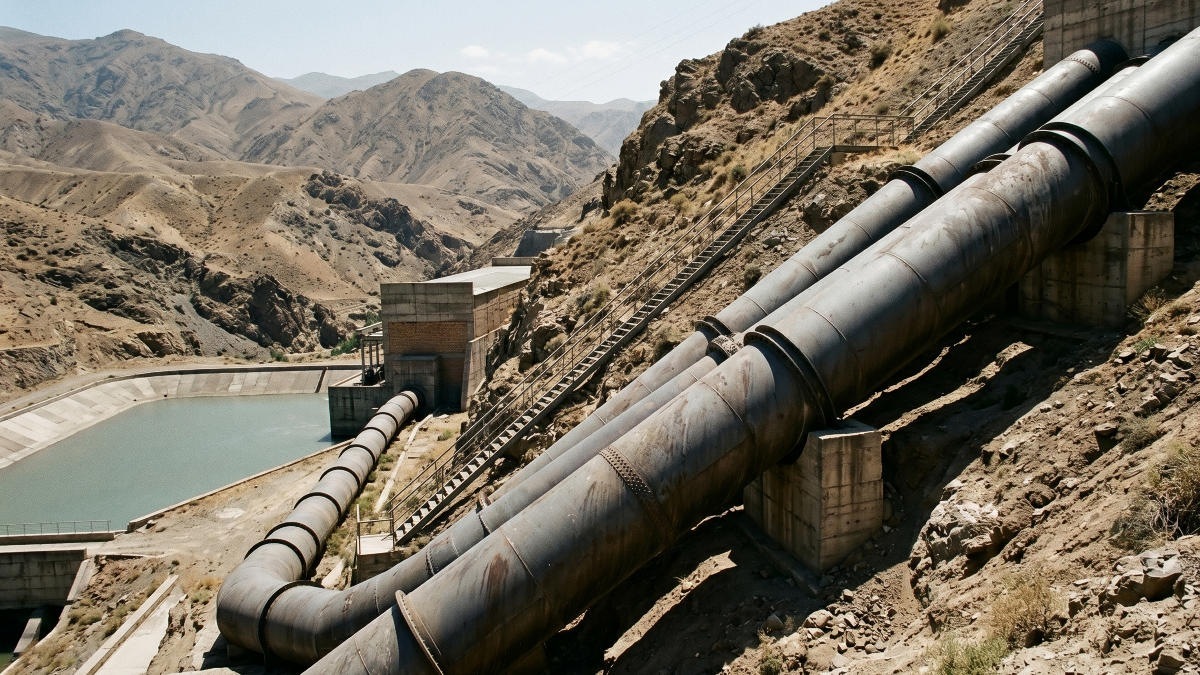
Uzbekistan is initiating the large-scale construction of pumped-storage hydroelectric power plants to serve as industrial energy storage, marking a first for Central Asia. The development of this sector is mandated by a presidential decree on industry modernization, which outlines the establishment of three major pumped-storage facilities with a combined capacity of 1,400 megawatts by 2032.
The operation of pumped-storage plants relies on two reservoirs located at different elevations. During periods of low consumption and energy surplus in the grid – such as peak generation from solar and wind farms – water is pumped to the upper reservoir. During peak loads, the water is released downwards through turbines to generate electricity. The efficiency of these facilities reaches 85 percent, and their ability to reach operational capacity within minutes makes them a critical tool for preventing systemic grid failures. The operational lifespan of such industrial hubs extends up to one hundred years.
Construction of three pilot facilities will begin in 2027 under public-private partnership agreements. The largest will be the 600-megawatt Khojakent station in the Bostanlyk district of the Tashkent region, with construction costs estimated at 880 million dollars. The 300-megawatt Aydarkul station, valued at approximately 301 million dollars, will be built in the Forish district of the Jizzakh region. The third facility – the Karateren station, featuring a capacity of 500 megawatts and costing over 550 million dollars – will be constructed in the Takhtakupyr district of Karakalpakstan. Collectively, these plants are expected to generate more than 2.7 billion kilowatt-hours of electricity annually.
The financial model for these projects relies primarily on external borrowing. Out of the total investment exceeding 1.7 billion dollars, state allocations will account for less than 130 million dollars. The remaining balance is planned to be covered through foreign direct investments, with negotiations currently underway. Feasibility studies for all construction sites have been fully completed.
Investments in pumped-storage hydroelectricity are a direct response to the shifting energy balance in the country. Currently, the share of traditional hydropower in Uzbekistan’s energy generation remains under 14 percent. However, the planned introduction of new renewable energy sources requires adequate infrastructure to store surplus energy and balance daily fluctuations. In addition to pumped-storage stations, the approved modernization program includes the commissioning of over 3,000 megawatts of traditional hydroelectric capacity, which will increase the overall potential of the sector by nearly two and a half times by 2032. The implementation of these plans will establish a unified reserve cluster designed to enhance the stability of the domestic market and neighboring regional energy systems.