
Rogun HPP Construction to Accelerate with New International Funding
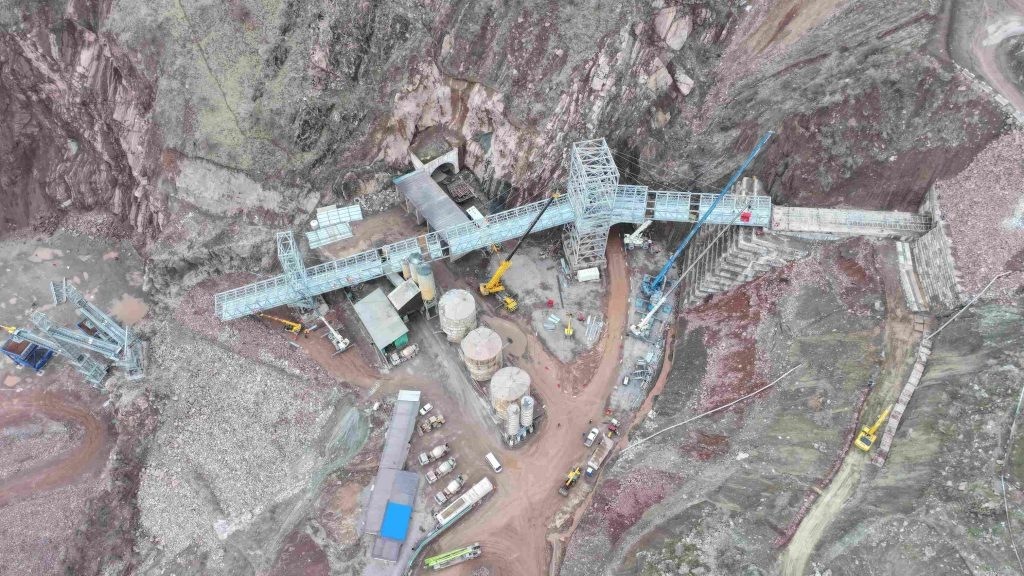
A series of financing agreements with international partners for the construction of the Rogun Hydropower Plant on the Vakhsh River in Tajikistan have now come into effect. The agreements, signed in 2024–2025, were subject to the fulfillment of specific conditions that have now been met, enabling the project to access external funding.
The influx of external capital is expected to accelerate construction work in 2026 and ensure the commissioning of the station’s third hydro-unit by its revised deadline of September 2027. The launch was previously postponed from an original September 2025 date. Until this point, construction on the project has been financed entirely through Tajikistan’s domestic resources.
The total value of the activated agreements with development partners exceeds $2 billion. This package includes $650 million in grants from the World Bank, a $500 million loan from the Asian Infrastructure Investment Bank, $450 million from the Islamic Development Bank and various Arab funds, and a $50 million grant from the Qatar Fund for Development. Negotiations are also underway to secure an additional $1.7 billion in financing.
Since the project commenced in 2008, more than 48.1 billion somoni has been invested from the state budget and other domestic sources. The total estimated cost to complete the dam is $6.4 billion. Tajikistan’s state budget for 2026 allocates approximately 15 billion somoni – equivalent to over $1.6 billion – to the fuel and energy sector, with the majority designated for the Rogun HPP’s completion.
To further support the project, reserves from the National Bank of Tajikistan are being utilized. The country’s lower house of parliament has approved legislation to transfer a surplus of 916 million somoni – approximately $100 million – from the reserve fund’s 2024 earnings to the state budget for the construction.
The project is now nearly 60 percent complete. The dam wall has reached a height of 151 meters, corresponding to an elevation of 1116 meters above sea level. Two temporary hydro-units that have already been commissioned had generated a cumulative 9.9 billion kilowatt-hours of electricity by the end of 2024.