
Kyrgyz Villagers Protest Hydropower Project Threatening Ak-Tuz Ecosystem
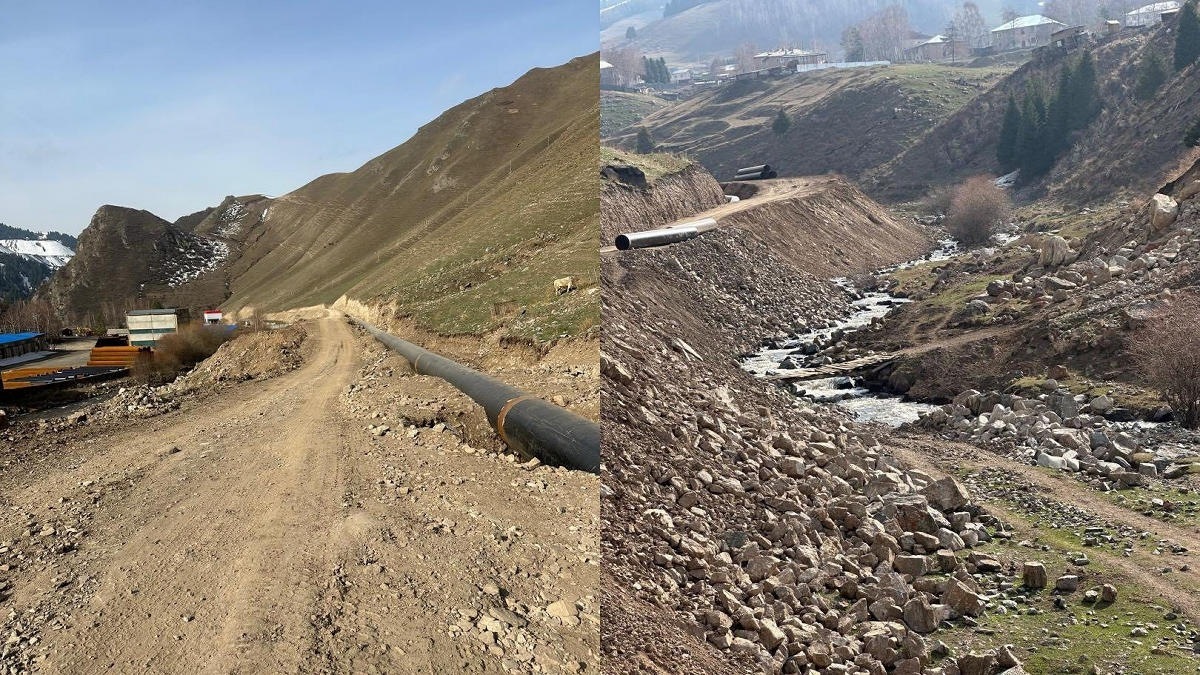
Residents of the village of Ak-Tuz in northern Kyrgyzstan are opposing the construction of a small hydroelectric power plant on the Kichi-Kemin River. The project is being implemented by the Energy of the Future company, but the initiative has provoked resistance from the local population due to the threat it poses to the ecosystem of the gorge, which has become a popular tourist destination. On April 25, a citizens gathering resulted in a decision to demand the suspension of construction work.
The standoff over the infrastructure facility is unfolding against the backdrop of government plans to reduce the national energy deficit through small power stations. Construction of the hydroelectric plant in the Kichi-Kemin valley began approximately two years ago. The installation of diversion pipes has resulted in significant environmental disruptions, leading to the disappearance of several natural springs. Representatives of the developer claim that the project holds the full support of the country’s top leadership.
The Kichi-Kemin River originates at the junction of the Trans-Ili Alatau and Chon-Kemin mountain ranges, flowing along the Kungey Alatau massif. The Ak-Tuz valley is a historically closed territory. During the Soviet period, a mine operated in the area, and a unique rare-earth metal deposit was later discovered. The specific nature of this secret production restricted access for outsiders, which paradoxically protected the local environment from severe anthropogenic impact.
Following the collapse of the Soviet Union, the processing plant and its associated infrastructure were privatized, and industrial mining ceased. Engineers and miners departed the region. The remaining population was forced to adapt to the economic downturn by taking rotational work at other mining enterprises in Kyrgyzstan and by engaging in agriculture.
Over the past few decades, the valley has undergone an economic transformation, emerging as a highly sought-after recreational zone for residents of Bishkek and the Chuy region. The gorge currently receives a year-round flow of tourists. The local population views ecological tourism as the foundation for the economic development of the territory and fears that the commissioning of the hydroelectric power plant will inflict critical damage on the waterway. The situation in Ak-Tuz has established a precedent that highlights a systemic issue – the conflict between accelerated energy sector development and the conservation of national natural resources.