
Uzbekistan Announces $5.8 Billion Hydropower Expansion by 2032
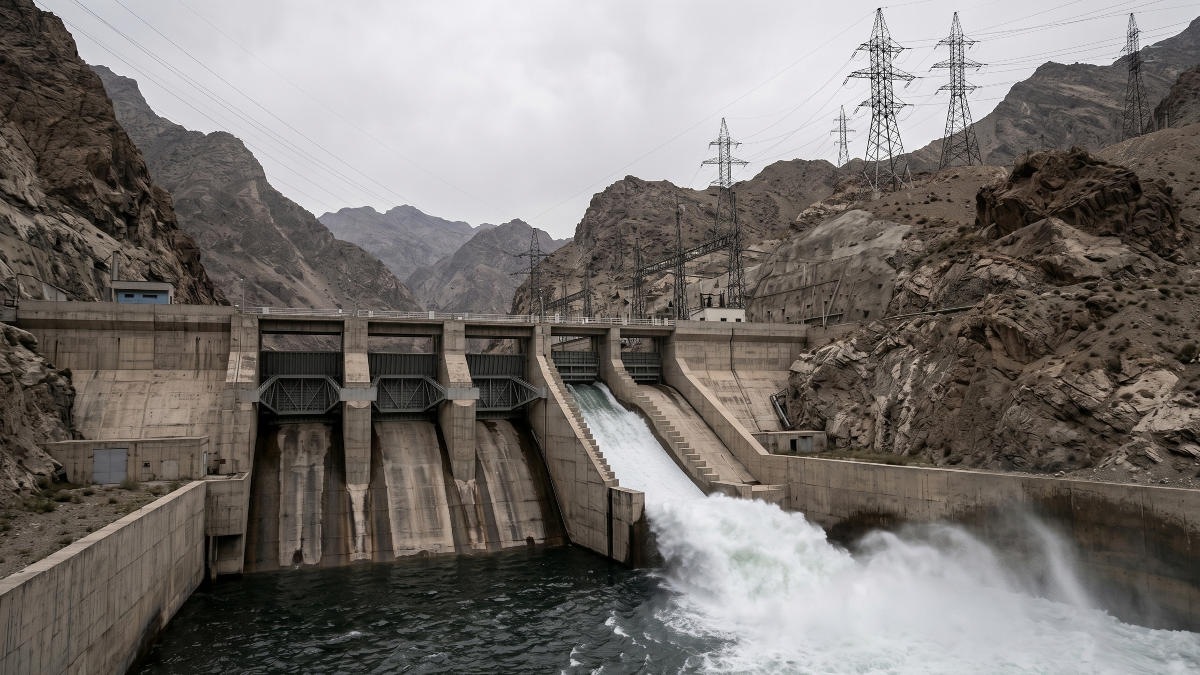
Uzbekistan is preparing a large-scale investment program in the hydropower sector. By 2032, the government will allocate $5.8 billion for the construction of new hydroelectric power stations, adding 3.6 gigawatts of capacity to the national energy system. The prospects for the industry were discussed during a specialized meeting attended by President Shavkat Mirziyoyev.
Water resources currently account for 10–12 percent of the electricity generated in the country, with the remaining volume supplied by traditional fossil fuel thermal power plants. Uzbekistan possesses a water fund comprising over 150,000 kilometers of rivers and canals. The government views this network as a reserve to revise the national energy balance amid growing energy demand from the industrial sector and the general population.
Over the past eight years, the national hydropower network has expanded from 36 to 100 hydroelectric power stations, while the total installed capacity has increased from 1.6 to 2.4 gigawatts. The period also saw the launch of the UzHydroPower plant, the only enterprise in Central Asia manufacturing hydraulic units and specialized equipment. Despite this growth, a significant portion of the country’s water potential remains untapped.
The main phase of the upcoming investment cycle will span the period from 2026 to 2032 and encompass 73 hydropower projects. In 2026, 13 hydroelectric power stations with a combined capacity of 114 megawatts are scheduled to launch, generating 537 million kilowatt-hours annually for the power grid. Among the largest planned facilities is the Upper Pskem hydroelectric power station in the Bostanlyk district. The facility will cost $365 million and operate with a capacity of 160 megawatts, providing sufficient planned output to supply 160,000 households. Concurrently, construction of the Sokh hydroelectric power station will commence in the Fergana region to address local energy deficits.
A distinct focus is placed on distributed generation and small-scale hydropower. The development plan includes the construction of approximately 3,000 micro and small hydroelectric power stations with a total capacity of 164 megawatts. A large cascade of hydroelectric stations with a capacity exceeding 500 megawatts is planned for the water resources of the Upper Tupalang. To balance the energy system, the creation of three pumped-storage hydroelectricity plants with a capacity of 1.4 gigawatts is in development. The new infrastructure will be managed by digital monitoring systems utilizing artificial intelligence technologies. Project completion deadlines and the proportion of locally sourced equipment during construction will be strictly monitored.
The development of Uzbekistan’s water management infrastructure will extend to urban projects. Tashkent is preparing a program to develop waterfront areas to improve the urban microclimate. The Coastal Zone project involves landscaping 306 hectares along the Chirchiq River and establishing a green belt near the Bektemir Canal. Additionally, the number of artificial reservoirs within the capital limits will be increased from four to twelve.