
Uzbekistan Overhauls Hydropower Regulations to Accelerate Private Investment
The government of Uzbekistan is revising the conditions for attracting private investment into the small hydropower sector following slow implementation rates. President Shavkat Mirziyoyev has reviewed reform plans intended to accelerate the utilization of $150 million in World Bank funding and decrease reliance on imported equipment.
While the government approved a program last year to construct approximately 3,000 small and micro-hydropower plants with a combined capacity of 164 MW, only 64 stations totaling 41.6 MW have entered operation. Developers have been identified for only 932 sites – roughly one-third of the planned projects. This stagnation is attributed to a lack of transparency in construction and electricity sales conditions, which has discouraged private sector involvement.
Flaws in the existing auction system previously allowed participants to win bids at zero rates, subsequently freezing construction progress. To address this, new regulations will establish minimum purchase tariff thresholds based on the capacity of each station. This measure aims to provide investors with guaranteed returns on their capital.
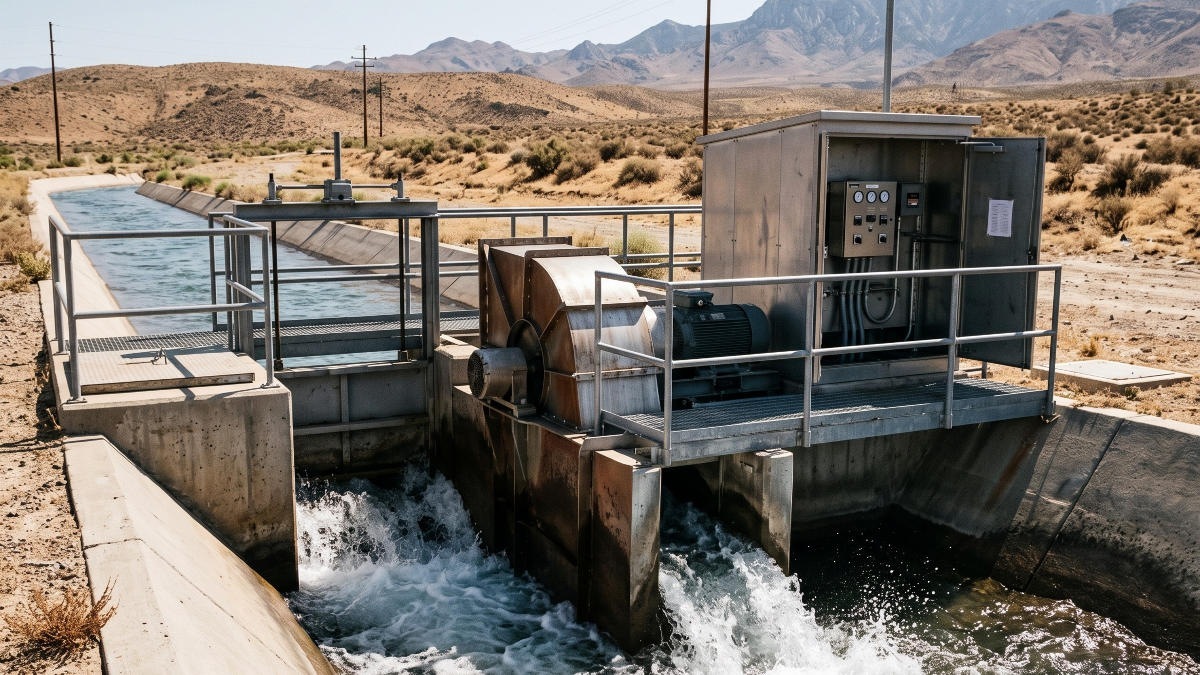
Simplified design and construction procedures are being introduced for micro-hydropower plants with a capacity of up to 100 kW. Projects under 50 kW will be entirely exempt from urban planning expertise and architectural oversight. Furthermore, entrepreneurs will be permitted to modify the structures of rivers and canals to create necessary water pressure, while water management authorities may now construct stations for internal use without participating in auctions.
A new digital platform will support investors from site selection through to the commissioning of turbines. To combat the high level of import dependency – as 90 percent of components are currently sourced from abroad – the government is focusing on localization. State-owned JSC Uzbekhydroenergo, which currently operates 46 small-scale generation sites, will provide turnkey services to the private sector, ranging from engineering design to the supply of equipment.
Concrete canals have been identified as a significant area for potential growth. With the total length of Uzbekistan’s water arteries exceeding 173,000 kilometers, relevant agencies have been directed to conduct an inventory of artificial channels to identify new development sites.
Projections indicate that the total capacity of small hydropower stations will reach 204.8 MW by 2030. These facilities are expected to generate 620 million kWh annually, providing electricity to 350,000 households. Such output would save 187 million cubic meters of natural gas and reduce carbon dioxide emissions by 311,000 tons. To support these operations, a dual education system will be launched in the next academic year, using active energy enterprises as practical training bases for students.