
Safety Concerns and Environmental Risks Mount at Rogun Dam Project
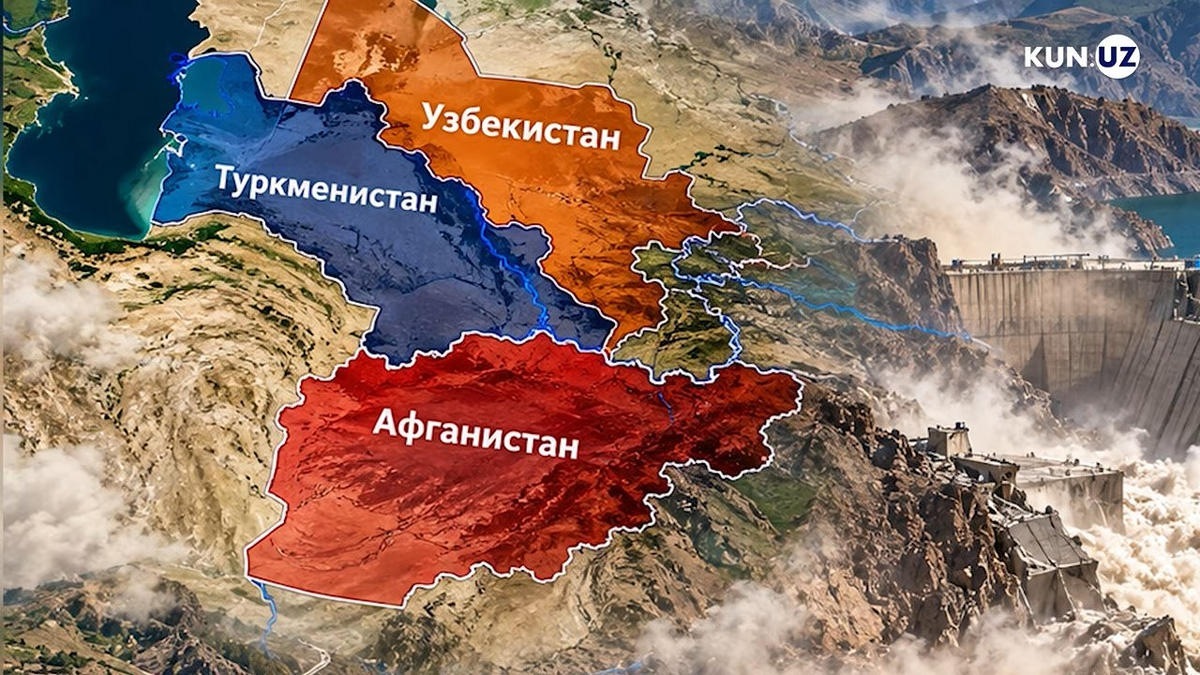
A series of accidents at the Rogun hydroelectric power plant construction site in Tajikistan has raised concerns regarding safety and environmental risks. On October 22, a flow of water, mud, and rocks occurred at the facility. Official records specify that a technical water reservoir burst during cementing work and report no fatalities, though independent accounts indicate a more severe event with at least five injuries. Video footage from the scene shows workers evacuating a multi-tiered section of the dam seconds before the collapse.
Incident data suggests systematic safety violations during underground mining operations at the site. One fatality occurred earlier this year, followed by an accident on November 12 when a falling heavy platform killed three employees of the subcontractor Hokrut and injured another. Regulatory records identify eight major recent accidents, though the total number of casualties has not been officially disclosed. Additionally, three foreign specialists – two from China and one from Iran – died at the construction site during the first half of the year.
The Rogun project is designed to be the world’s tallest dam, reaching a height of 335 meters and holding over 13 billion cubic meters of water. The facility is located in a high seismic activity zone where earthquakes can reach a magnitude of nine. Structural failure would release a massive volume of water through the narrow Vakhsh River gorge. A wave up to 100 meters high could destroy downstream power plants in the Vakhsh cascade – including the Shurob, Nurek, Baipaza, Sangtuda, Golovnaya, Perepadnaya, and Central stations – significantly increasing the destructive force as their own reservoirs are breached.
Upon reaching the plains at the confluence of the Vakhsh and Panj rivers, which form the Amu Darya, the surge of debris and water would impact border regions in Afghanistan and Uzbekistan. Flood zones would encompass the Afghan provinces of Balkh, Jawzjan, and Kunduz, as well as Uzbekistan’s Surkhandarya region, including the cities of Termez and Hairatan. The flood would destroy bridges, power lines, gas pipelines, and agricultural land. The flow would continue northwest toward the Lebap and Dashoguz regions of Turkmenistan, the Bukhara and Navoi regions of Uzbekistan, and the territory of Karakalpakstan. The inundation of chemical warehouses, treatment plants, and waste disposal sites would trigger large-scale toxic contamination of regional drinking water supplies.
Beyond the risk of a technical catastrophe, regular operation of the Rogun plant poses economic and environmental challenges for downstream nations. Filling the reservoir is expected to take a significant amount of time, during which Amu Darya flow volumes will decrease. Tajikistan is projected to close sluice gates during the May–September growing season to prioritize reservoir filling, potentially depriving neighboring states of irrigation water. This could lead to the depletion of the Karakum Canal in Turkmenistan and the Qosh Tepa Canal in Afghanistan, resulting in droughts, crop failures, and a decline in regional gross domestic product.
During winter months, when the plant requires maximum electricity generation, the release of large volumes of water could cause flooding, bank erosion, and the inundation of coastal areas, preventing the cultivation of winter crops. The reduction in the Amu Darya’s annual flow would also accelerate the desiccation of the Aral Sea remnants. Toxic salt and dust storms from the exposed seabed would spread over thousands of kilometers, damaging soil fertility. Lower river levels are expected to cause groundwater salinization and the death of tugay forests, creating a severe shortage of clean drinking water for the population.