
Kyrgyzstan Approves New Lease Rules for Water and Irrigation Lands
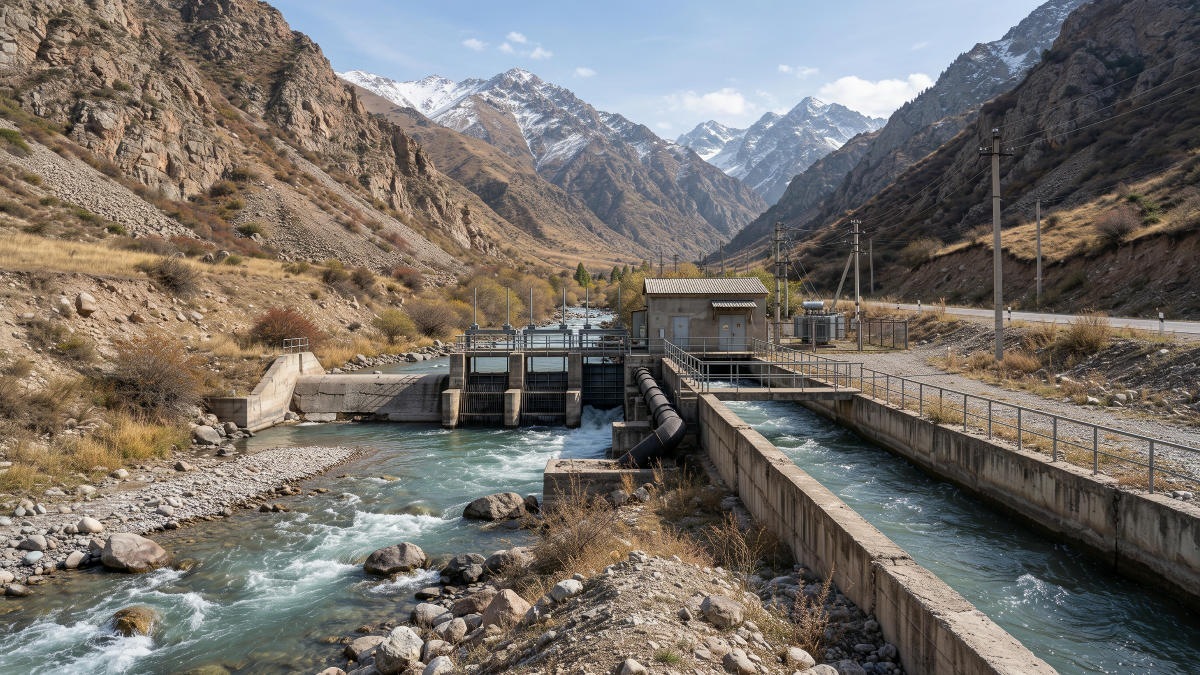
The Cabinet of Ministers of the Kyrgyz Republic has approved a new procedure for granting temporary use of water and irrigation fund lands. Resolution No. 762, adopted on November 19, 2026, establishes lease rules for such plots for energy, agricultural, and recreational projects. The regulation provides the longest planning horizon for hydropower, allowing sites for the construction of hydroelectric power plants (HPPs), renewable energy facilities, and power transmission line towers to be leased for up to 50 years.
The new regulation distinguishes between natural water bodies and artificial infrastructure. The water fund comprises land beneath rivers, streams, springs, lakes, reservoirs, wetlands, glaciers, and snowfields, while the irrigation fund covers areas occupied by water management facilities, canals, and right-of-way strips. The resolution does not apply to state forest fund lands, plots in gratuitous use by city halls, municipal irrigation networks, or facilities transferred for perpetual use to the state institution for green energy development.
Access terms for natural water bodies and riparian zones depend directly on the capital nature of the projects. Plots can be obtained for up to 10 years by decision of the local state administration for agriculture, forestry, fisheries, and hunting, recreational activities, or the placement of lightweight non-capital communications structures up to 36 square meters. In allocating these lands, priority is given to applicants proposing water-saving irrigation projects, provided they implement the declared technologies within one year of signing the contract or face early termination.
Fifty-year leases of water fund lands for hydroelectric plants, renewable generation stations, and power lines require multi-stage approval. Once a district commission approves an application, the document package is forwarded to the office of the regional presidential envoy, and then to the authorized agency for land resources and cadastre, which prepares a draft Cabinet of Ministers decision. Together with the application, investors in energy, recreation, and water-saving agriculture must immediately submit a feasibility study, a preliminary design, and design and estimate documentation.
A separate regime applies to irrigation fund lands, which are granted for paid use for a maximum of five years by territorial divisions of the water authority in agreement with the state property management body. These plots may be used for landscaping, fish farming, and the construction and operation of hydroelectric plants and green energy facilities. If a water management facility on the list of strategic objects is located on the territory, landscaping and fisheries are prohibited. The land itself and the hydraulic structure situated on it act as independent lease objects, and the user is obligated not to disrupt the irrigation regime and to ensure unhindered access to the infrastructure for inspectors and repair crews, including allocating space for temporary material storage.
Lease applications may be submitted in paper or electronic form, with relevant agencies independently requesting information from state registries via the Tunduk interagency interaction system. Agencies – ranging from environmental authorities and the Ministry of Emergency Situations to energy officials, sanitary-epidemiological supervision, and the cultural authority – are allotted no more than five working days to review applications and issue conclusions through electronic document management. Local commissions are formed within three working days, and if remediable flaws are identified in the documents, the applicant has five working days to correct them. Fisheries projects additionally require a water body passport and a fish-farming biological justification.
The financial and anti-corruption provisions of the resolution strictly limit the disposal of leased plots. Monthly fees are calculated using the government methodology of July 13, 2026, and are credited entirely to the republican budget, excluding taxes, utility, and operational payments. Lease agreements are subject to mandatory state registration, and the land cannot be subleased, pledged, or encumbered by third-party rights. Current and former employees of relevant state agencies and local administrations, as well as their relatives, are barred from applying for such plots. The water authority must inspect compliance with contract terms and targeted land use at least once every three years.