
Construction Begins on 24 MW Jerooy Hydropower Complex in Kyrgyzstan
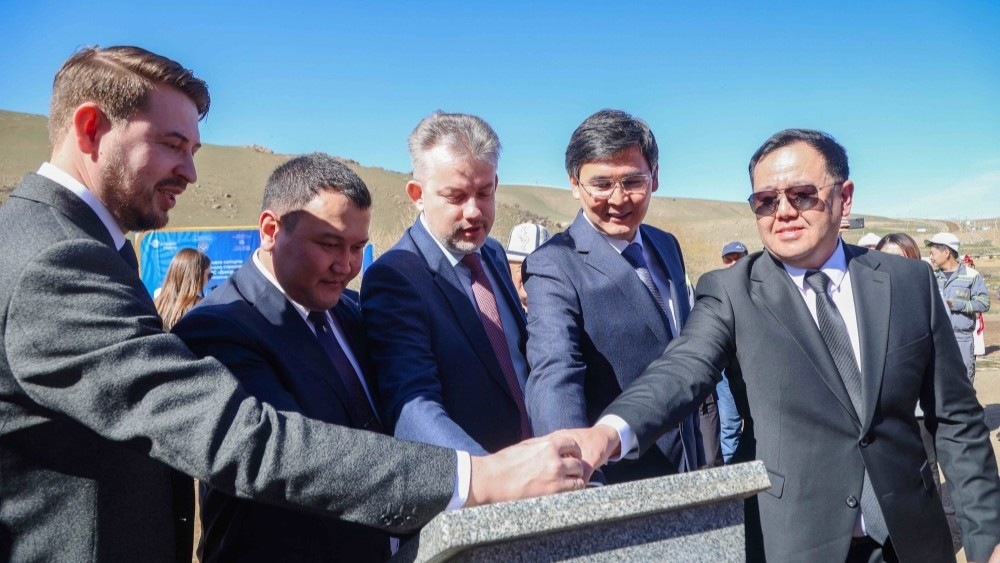
Construction has begun on the Jerooy small hydropower complex in the Talas region of Kyrgyzstan, designed with a total capacity of up to 24 megawatts. A foundational capsule was laid directly at the future construction site on the Chon-Chychkan and Tuz-Ashuu rivers.
The initiative is being implemented by Alliance Hydro in partnership with the Russian–Kyrgyz Development Fund, Alliance Altyn, and the State Financial Holding. Total investment in the project amounts to $39.2 million, with construction expected to take approximately two years. Financing is provided by the Russian–Kyrgyz Development Fund and Alliance Altyn, while the construction contracts have been awarded to an international consortium comprising companies from Kyrgyzstan and Europe.
The hydropower complex will feature multiple diversion power stations projected to generate approximately 80 million kilowatt-hours annually. The facility is designed to directly supply the specific production needs of an industrial enterprise, making Jerooy the only energy asset of its kind in the country.
The launch event was attended by government representatives from both countries, including Anton Rybakov, deputy head of the Russian Presidential Directorate for Strategic Partnership; Artem Novikov, chairman of the Russian–Kyrgyz Development Fund board; and Ermat Jumaev, the plenipotentiary representative of the Kyrgyz president in the Talas region.
Institutional backing from the Kyrgyz government, the Ministry of Finance, and the State Financial Holding – acting as the project guarantor – enables the broader expansion of similar energy developments. The new infrastructure directly supports national priorities in renewable energy generation and environmental sustainability.
The project is an integral component of the National Development Program of Kyrgyzstan until 2030, enacted by President Sadyr Japarov in June of the previous year. The policy framework dictates the concurrent development of the green energy sector alongside the industrial capabilities of the state.