
Kyrgyz Villagers Oppose Hydroelectric Projects Over Environmental Concerns
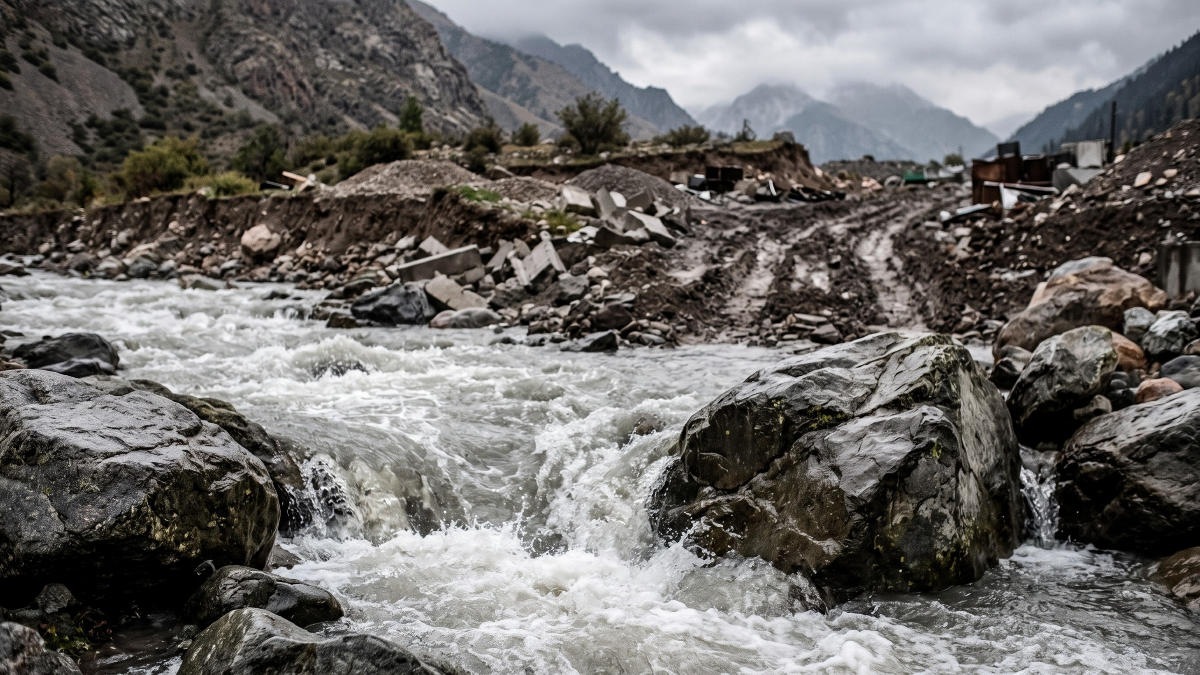
Residents of the mountain village of Kara-Tash in the Kara-Kulja district have launched a protest against the construction of a hydroelectric power plant on the local river. While the project is presented as a step toward regional energy independence – the local community remains concerned about potential environmental degradation and disruption to their livelihoods. The construction of dams on small mountain rivers alters hydrological patterns, threatening access to irrigation water and the preservation of floodplain ecosystems. The issue has reached the national parliament – during a session of the Zhogorku Kenesh, Member of Parliament Suyunbek Omurzakov formally addressed the situation.
The village community has initiated a campaign to protect the Kara-Tash riverbed, appealing to parliamentarians from the tenth district, including Ulugbek Ormonov and Gulnara Baatyrova. Requests for intervention have also been directed to media outlets and circulated across social media platforms. Given the complex local topography, any alteration to the water flow could deprive the valley of vital resources. Residents are demanding a suspension of construction activities and a comprehensive review of project documentation to address ecological risks.
To resolve the dispute, there are proposals to establish a government commission comprising representatives from relevant state agencies and independent ecologists. The initiative requires the expert group to conduct an on-site inspection at the proposed construction area to evaluate the impact on the ecosystem and engage in direct dialogue with the residents of Kara-Tash. Proceeding with excavation and concrete work in the riverbed is considered non-viable without an objective expert conclusion.
The situation in Kara-Tash is not isolated, as a similar conflict is unfolding regarding a hydroelectric project on the Tar River. The village of Sai, located downstream and home to more than one thousand families, is situated within a potential environmental risk zone. Interference with mountain watercourses without consideration for the needs of agricultural regions frequently leads to social tension, driven by the fear of losing pastures and access to drinking water.
The development of the energy sector and the attraction of investors remain national priorities – stakeholders emphasized that economic benefits must not overshadow public concerns. Proactive responses to local dissatisfaction are necessary to maintain social stability as the country develops. Following the discussion, Speaker of Parliament Marlen Mamataliev directed that the appeal be entered into the official protocol for further government action.