
Tajikistan will start Dam energy exports via CASA-1000 in 2027
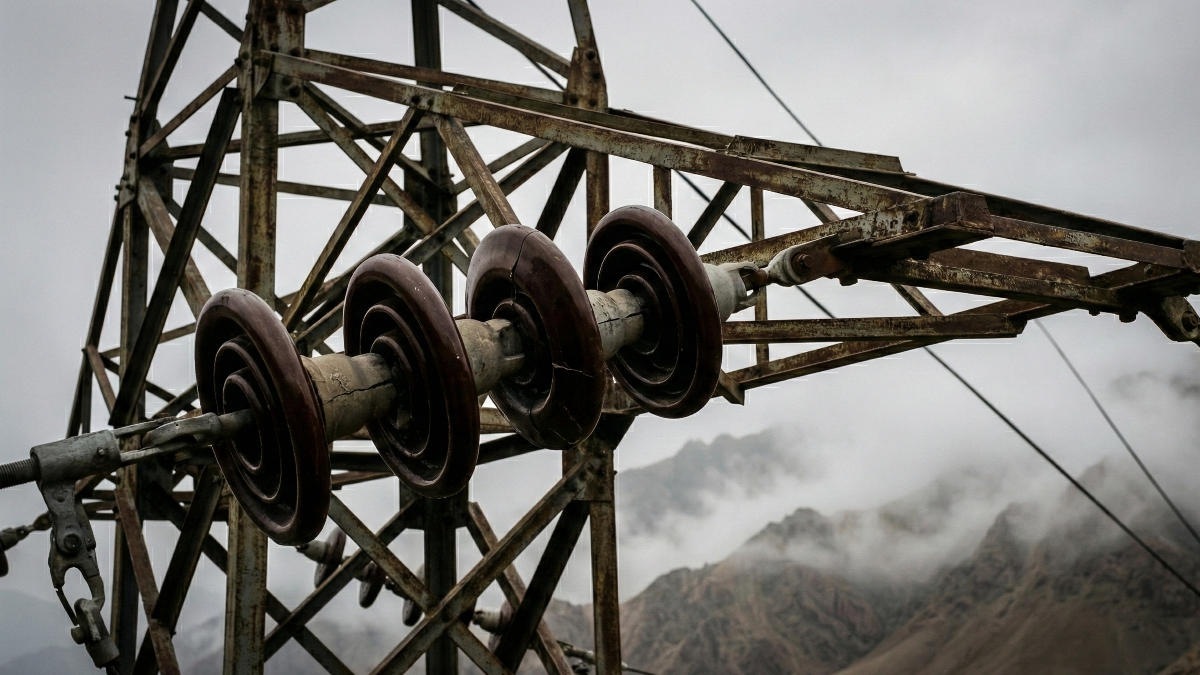
At the Economic Forum of the UN Special Program for the Economies of Central Asia (SPECA), held in Ashgabat, the updated launch dates of the CASA-1000 interregional energy project were announced. Rustam Abdullayev, Head of the Department of Energy Policy, Water Resources and Science and Technology Development of the Ministry of Energy of Tajikistan, said that the start of commercial electricity supplies is scheduled for 2027. The project is designed to link the energy systems of Central and South Asia, allowing the annual export of 1.3 GW of capacity.
The representative of the department focused on the role of Tajikistan’s hydropower industry in ensuring the sustainability of the regional system. In the conditions of active commissioning of solar and wind power in Kazakhstan and Uzbekistan, the need for flexible generation to compensate for the unevenness of renewable energy generation is increasing. Tajik hydroelectric power plants, in particular cascades on the Vakhsh River, already perform the function of balancing capacities. The country’s authorities expect that this potential will increase after the completion of the Rogun Dam, which, according to Tajik power engineers, will allow not only to export energy, but also to provide system services to neighbors.
It is worth noting that the construction of the Rogun Dam remains a subject of discussion at the international level. Despite the declared importance for the economy and security of the region, the project is regularly criticized by international environmental organizations. Nevertheless, for Dushanbe, the completion of this facility is a strategic priority.
Plans for large-scale electricity exports and the provision of frequency control services are being implemented against the backdrop of continuing internal energy shortages in Tajikistan itself. In the autumn-winter period, the population of the country annually faces restrictions on the supply of electricity, known as energy limits. Residents of rural areas often receive light only for a few hours a day, which creates social tension and contrasts with ambitious intentions to sell gigawatts to foreign consumers in the summer.
The CASA-1000 project itself, launched as an initiative in 2018, provides for the creation of infrastructure for the transfer of summer surplus hydropower from Kyrgyzstan and Tajikistan to Afghanistan and Pakistan. The total cost of the works is estimated at $ 1.2 billion with the support of international financial institutions, including the Islamic Development Bank. The implementation of the project was delayed due to political instability in Afghanistan after the change of power in August 2021, when the construction of a key section of the transmission line was frozen.
The situation got off the ground in 2024, when the financing of the Afghan segment was resumed thanks to international negotiations. According to current data, construction and installation work on laying a power transmission line in Afghanistan should be completed by the end of 2026. This will make it possible to synchronize the power systems of the four countries and start commercial operation of the corridor within the stated time frame.
Daria Syrskikh (Rivers.Help!)
Original (in Russian): Таджикистан начнет экспорт энергии ГЭС по CASA-1000 в 2027 году