
Kyrgyzstan Prioritizes Hydropower Expansion to Address Regional Energy Deficit
Kyrgyzstan, which holds the primary water resources of Central Asia, continues to purchase electricity from neighboring countries. President Sadyr Japarov has addressed the ongoing necessity for winter energy imports, noting that the republic provides essential water supplies to the same states from which it buys power. The development of the national energy infrastructure has been limited since independence, with the commissioning of only one generating unit at the Kambarata HPP–2.
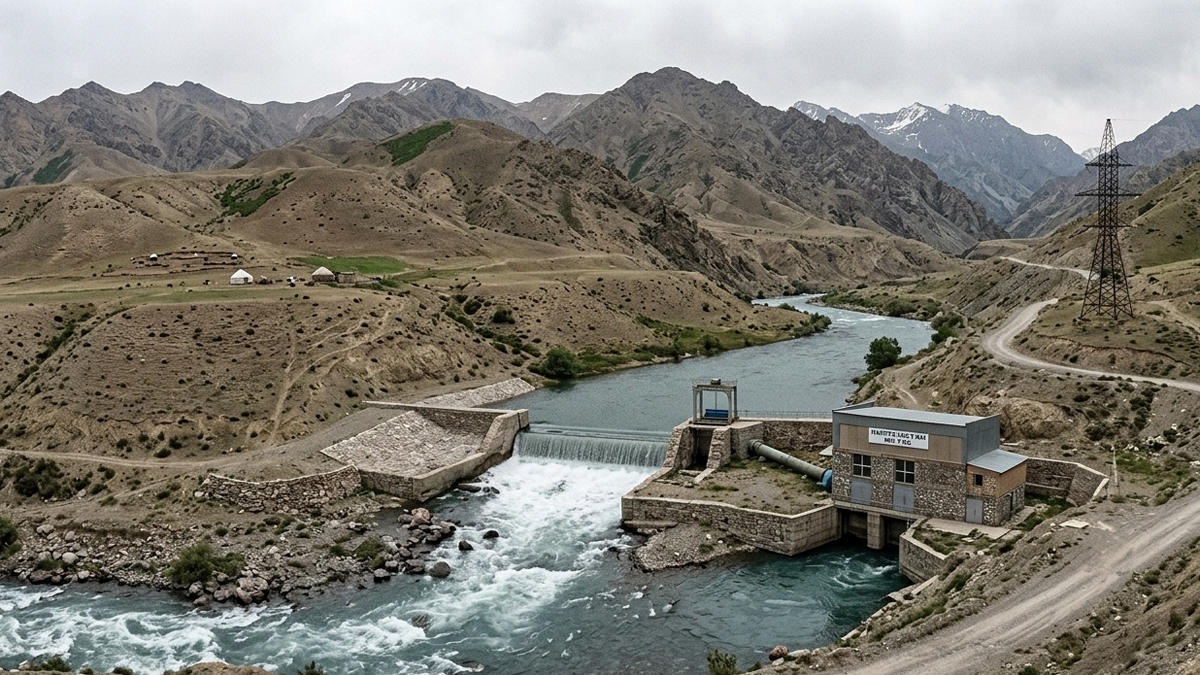
To mitigate the energy shortfall, the government is emphasizing distributed generation. Official data indicates that approximately 50 small and medium hydropower plants have been launched over the last five years, with an equivalent number of projects currently under construction. However, the addition of new capacity has not yet kept pace with the growing energy requirements of the industrial, social, and residential sectors. In an effort to increase transparency within the industry, the Ministry of Energy has been instructed to publish daily status reports on the power system starting July 21.
Despite the energy deficit and the implementation of periodic consumption limits, cryptocurrency mining operations continue to function. Minister of Energy Altynbek Rysbekov stated that there are no plans to disconnect these data centers, located in Kemin and near the Kambarata HPP–2 in the Toktogul district. Officials report that these facilities do not adversely affect the national energy balance; the Kemin site utilizes imported electricity, while the second facility receives power directly from the hydropower plant and invests in the construction of new substations. Due to their geographical isolation from areas experiencing power cuts, the government maintains that halting these operations would not benefit the general population.
The strategic emphasis on hydropower development has drawn scrutiny from environmental specialists and international financial institutions. Experts from Rivers without Boundaries suggest that the large–scale construction of small–scale hydropower plants involves significant ecological, seismic, and social costs. The creation of river cascades may transform mountain streams into series of stagnant pools, resulting in fundamental changes to regional ecosystems. There is a call for independent and public assessments of the cumulative effects of these projects to ensure the development process is transparent and accountable.
Diversifying energy generation is proposed as a primary solution to the current crisis. The development of solar and wind power, alongside grid modernization and energy efficiency initiatives, could reduce the nation’s dependence on both river flow levels and external electricity supplies. Such a strategy is expected to provide a faster and more environmentally sustainable transition toward energy security.