
Kazakhstan Initiates Major Overhaul of Water Infrastructure
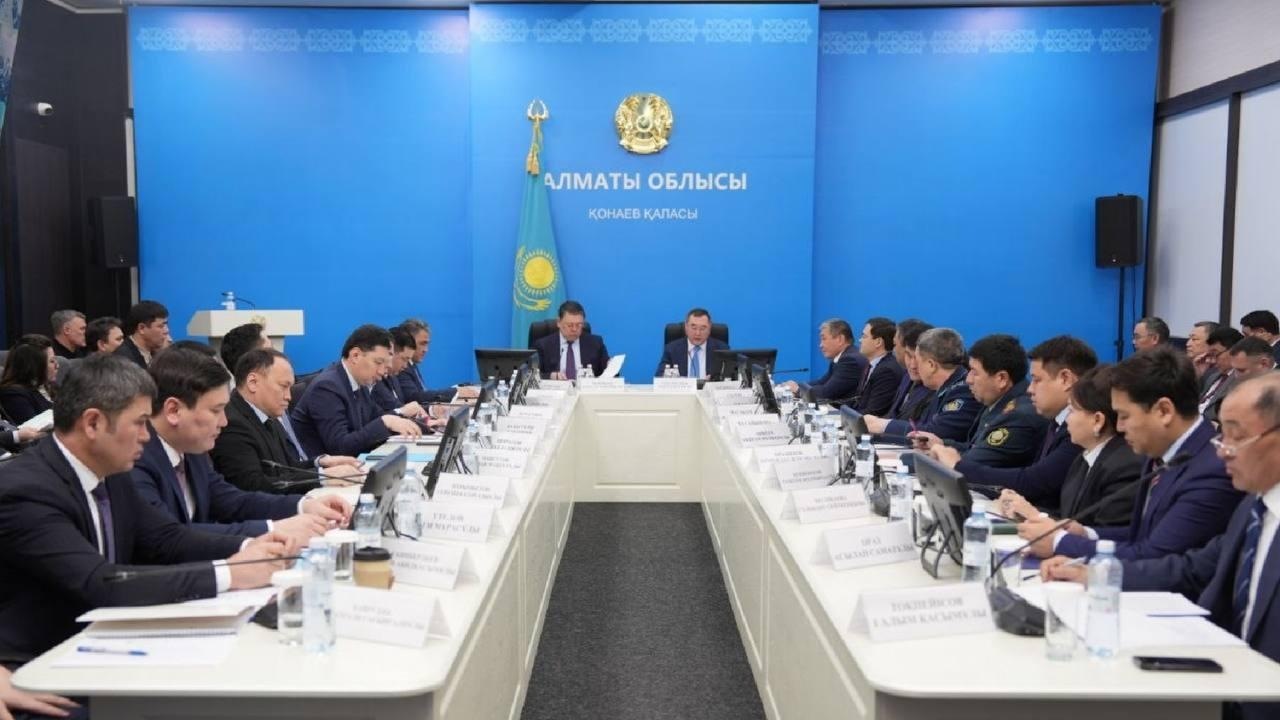
The Ministry of Water Resources and Irrigation of Kazakhstan has begun developing a project to reconstruct the Bartogai reservoir as part of its Comprehensive Plan for the Development of the Water Industry through 2028. In the Almaty region, plans include the construction of a group water pipeline and four main canals with a total length of 270 kilometers. Restoration work on sections of the Big Almaty Canal is scheduled for completion this year.
Local executive bodies are preparing design and cost estimates for the construction of two new reservoirs–Sunkar and Tegermen. The national modernization program also involves major repairs to four existing reservoirs and multi-factor inspections of 74 hydraulic structures. Deputy Prime Minister Kanat Bozumbayev has directed Almaty regional authorities to maintain strict oversight of the projects to ensure their timely completion.
A partnership with the Islamic Development Bank will fund the reconstruction of over 550 kilometers of irrigation networks in the Enbekshikazakh, Balkhash, Uighur, and Raiymbek districts of the Almaty region. These measures are expected to secure a stable water supply for 34,000 hectares of agricultural land, supporting the agro-industrial sector and enhancing the region’s climate resilience.
To enforce established water limits, new regulations for irrigation water use have been adopted. These include higher tariffs for consumption exceeding specified norms, for the unauthorized substitution of cultivated crops, and for water withdrawal without a valid contract. The government has identified irrigation water shortages as a significant impediment to national economic development, increasing the urgency of improving water resource efficiency. Regional authorities have been tasked with diversifying crop patterns and promoting drought-resistant varieties, with rice cultivation areas to be aligned with indicators approved by the Ministry of Agriculture.
The adoption of water-saving technologies helped mitigate challenges during the previous growing season. More than 50 percent of the country’s water resources are currently lost to ground absorption, a factor that complicates negotiations on transboundary water allocation with neighboring countries that employ more modern systems. A comprehensive effort to address this inefficiency is planned over the next three to four years.
By 2030, the government aims to expand water-saving irrigation systems to cover 1.3 million hectares of irrigated land across Kazakhstan. The target for the Almaty region is set at 186,600 hectares.