
Central Asian Nations Agree on Toktogul Water Discharge Limits
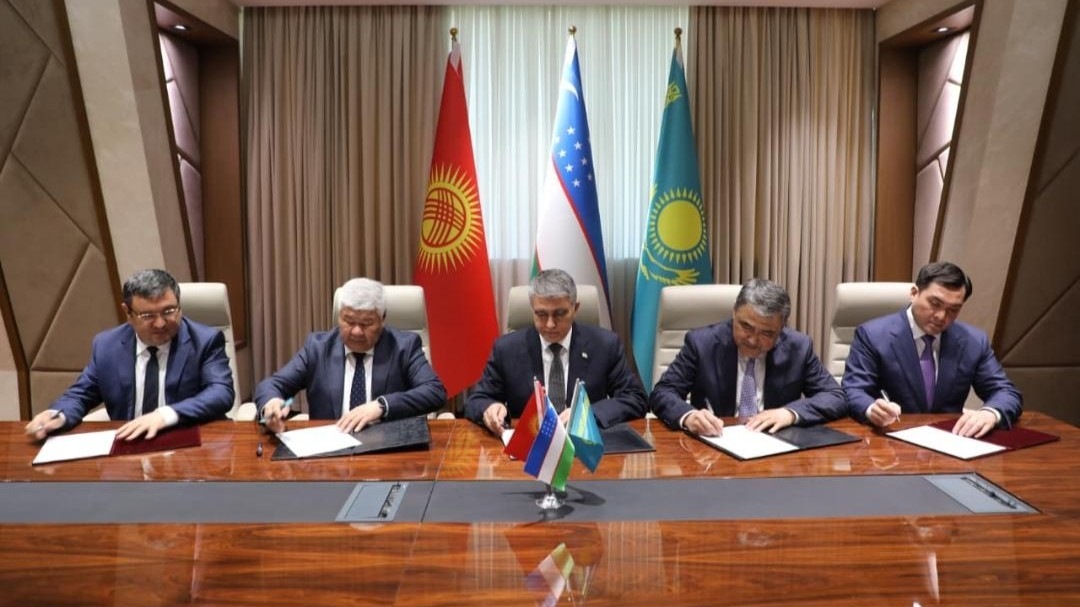
Negotiations between the heads of the water and energy departments of Kazakhstan, Kyrgyzstan, and Uzbekistan have concluded in Tashkent, resulting in an agreement on the water discharge regime from the Toktogul Reservoir for the next two months. The trilateral protocol regulates the water volumes required for the beginning of the agricultural season. This document guarantees a stable water supply to the southern territories and allows farmers in downstream countries to commence irrigation work without the risk of resource shortages.
These agreements are based on an interstate resource distribution mechanism where water is exchanged for electricity. The Toktogul Hydroelectric Power Plant is located in Kyrgyzstan and serves as a key node for flow regulation. To accumulate a sufficient volume of water by summer, the republic must limit the operation of its hydraulic units during the winter period, which inevitably leads to an energy shortage for heating. To compensate for this deficit, Kazakhstan transferred over 1.5 billion kilowatt-hours to the Kyrgyz energy system between September 2025 and April 2026. These reciprocal supplies made it possible to avoid the idle discharge of the reservoir in winter and to preserve reserves for the irrigation of agricultural lands across the entire macro-region.
The parties utilize a phased approach to planning water expenditures to adapt to the actual hydrological situation. The current limits are sufficient to maintain irrigation operations until the beginning of summer. The delegations plan to approve the discharge schedule for the peak drought periods – July, August, and September – at their next meeting. The subsequent round of intergovernmental consultations is scheduled for mid-June in Bishkek.