
ADB Delays Rogun Dam Funding Over Environmental and Rights Concerns
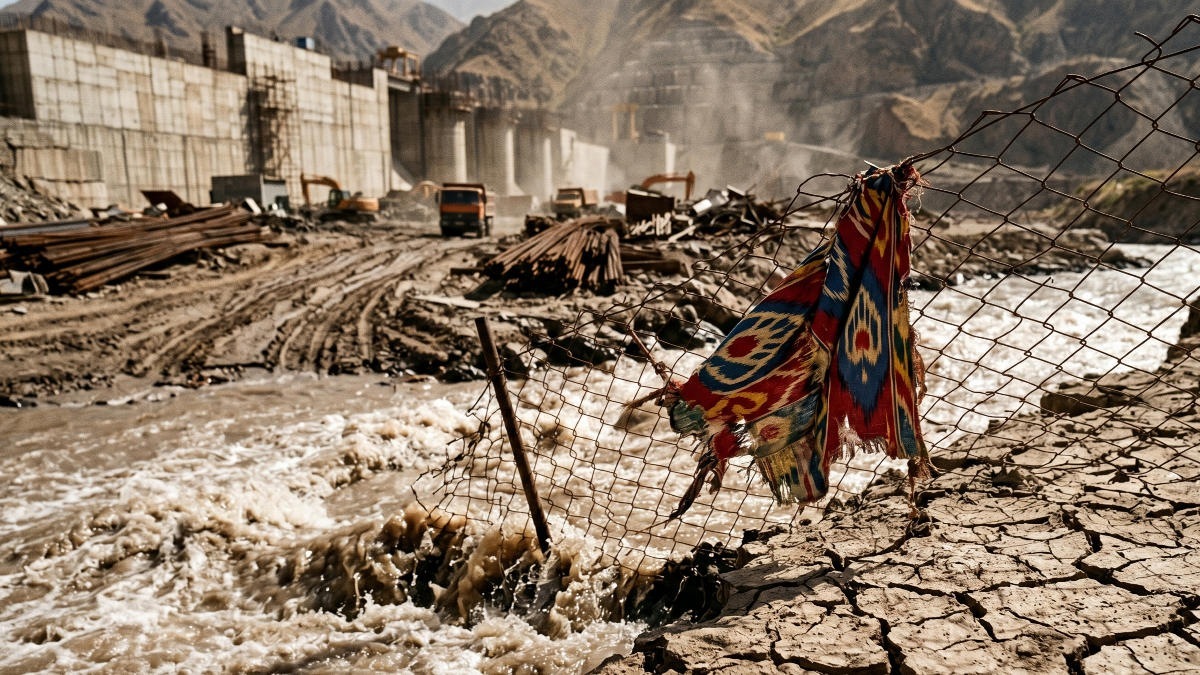
The Asian Development Bank has not yet reached a final decision regarding the financing of the Rogun hydroelectric power plant in Tajikistan. Unresolved issues concerning environmental safety and the protection of local populations’ rights have stalled the process. During the annual Asian Development Bank meeting in Samarkand, the organization’s leadership publicly acknowledged the necessity of conducting additional independent assessments, stating it cannot rely entirely on preliminary evaluations provided by the World Bank.
The construction of the massive dam on the Vakhsh River involves large-scale resettlement – project documentation indicates that between 50,000 and 60,000 Tajik citizens will be forced to leave their homes in the inundation zone. At a special session of the annual meeting, representatives from the Bankwatch Network highlighted the ineffectiveness of standard feedback mechanisms within the country’s rigid political framework. Local residents lack the opportunity to openly express opposition to the resettlement policy, unwillingness to leave their ancestral lands, or dissatisfaction with replacement housing and compensation amounts due to a credible threat of administrative and physical pressure from the state apparatus.
The environmental risks associated with the project remain a subject of intense criticism. Eugene Simonov, coordinator of the Rivers without Boundaries coalition, stated that the current environmental impact assessment for the Rogun project ignores systemic damage to the aquatic ecosystems of Central Asia. The coalition, which unites over a dozen environmental organizations, previously attempted to initiate a dialogue with Asian Development Bank specialists. The group expressed concern that the bank might formally join the project through a procedure of mutual recognition of standards, thereby shifting all responsibility for potential environmental damage to World Bank structures.
Bruce Dunn, head of the Asian Development Bank’s safeguards division, confirmed that the documentation for the Rogun hydroelectric power plant has not yet been submitted to the board of directors. He officially denied reports that a simplified mutual trust scheme between creditors would be applied. The unprecedented scale of the Rogun project requires a customized approach – a position the World Bank has also accepted. International financial institutions are currently developing a unified set of strict requirements for the government of Tajikistan to prevent legal and technical conflicts during the execution of contracts.
The Asian Development Bank leadership has publicly recognized the need to consider the local political context when financing such facilities. Dunn noted that the bank’s updated policy mandates a preliminary analysis of the conditions for public dialogue and an assessment of the risks regarding fundamental rights violations. For countries with complex domestic political environments, the creditor intends to develop secure communication channels. These channels will allow residents and activists to report violations directly to bank representatives anonymously and safely, bypassing local state authorities.