
Uzbekistan Overhauls Hydropower Regulations to Expand Capacity
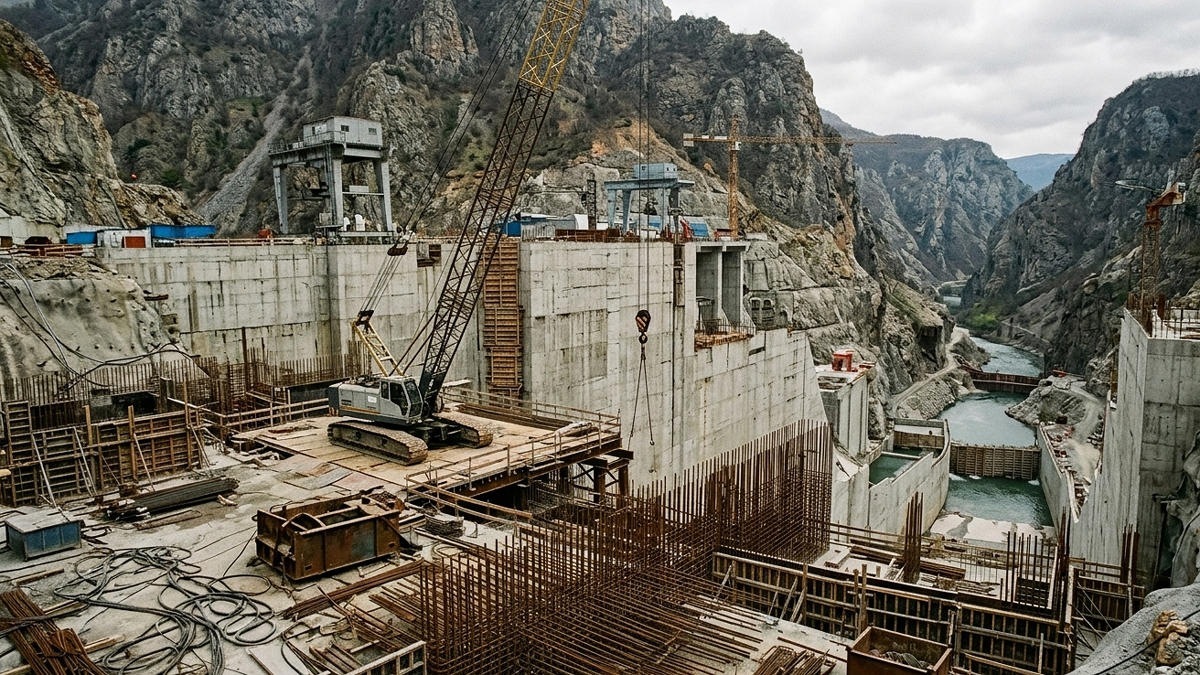
The Government of Uzbekistan is overhauling the financial and regulatory framework of the hydropower sector to execute its strategy of expanding generation capacity by 2032. A published presidential decree mandates the revision of electricity purchasing tariffs, simplifies the land acquisition procedure for power plant construction, and introduces a national project format for turnkey contracts. These new mechanisms are designed to provide the foundation for building the newly announced energy facilities.
Within the next two weeks, the interdepartmental tariff commission will establish new pricing for energy purchased from JSC Uzbekhydroenergo. The updated tariff must fully cover the operational expenses, loan servicing, and investment project costs of the company. All undistributed profits of the operator from 2017 to 2025 will be directed toward increasing its authorized capital. Additional funding will be generated through the sale of non-core assets and the launch of a green energy certificate system, the concept for which will be developed by relevant departments within a month.
To accelerate construction, the government is initiating a national project mechanism. This format involves creating a local value chain by engaging Uzbekistani enterprises in the design and manufacturing of equipment. Under this model, 550 megawatts of generation facilities are planned to be built by 2032. The procedure for allocating land for new power plants is being expedited, as the government commission is now required to transfer agricultural and forest lands into the appropriate category within ten days. The first project to undergo this streamlined process will be the allocation of areas for laying networks and roads in the Yukori Tupalang territory in the Sariasia district of the Surkhandarya region.
Designers from the specialized institutes JSC Hydroproject and JSC Uzsuvloyiha have been authorized to use unmanned aerial vehicles for survey work in mountainous areas currently lacking infrastructure. The Ministry of Emergency Situations has been assigned the responsibility for overseeing construction quality control and ensuring adherence to safety regulations.
These large-scale construction efforts were preceded by a reorganization of the corporate governance of the operator. JSC Uzbekhydroenergo has transitioned to international financial reporting standards, verified by PricewaterhouseCoopers auditors, and has increased the proportion of independent directors on its supervisory board to 57 percent. Fitch Ratings upgraded the credit rating of the company to BB, while Sustainable Fitch assigned it an ESG profile score of 79.
The approved regulatory framework is intended to secure the targeted pace of construction. By the end of 2032, the hydropower capacity of the republic is expected to grow by a factor of 2.4 through the creation of 3,266 megawatts of new generation. Pumped-storage hydroelectric power stations will account for 1,400 megawatts of this total volume. The immediate goal for the energy sector – the commissioning of 114 megawatts of production capacity by the end of 2026 – will increase total annual hydroelectric energy generation to 7.1 billion kilowatt-hours.