
Uzbekistan Shifts Strategy to Address Regional Water Crisis
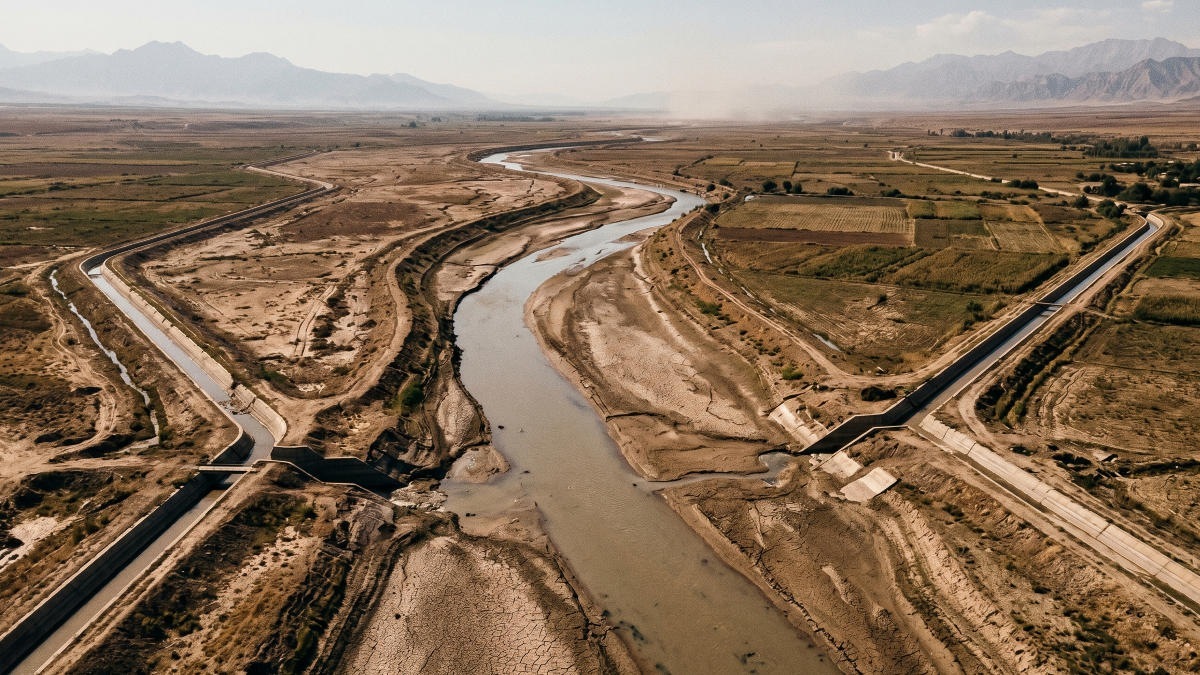
Uzbekistan, located in the lower reaches of the Amudarya and Syrdarya rivers, is facing a severe water resource deficit amid the construction of new infrastructure in neighboring countries. The republic receives approximately 80 percent of its water from upstream nations, while agriculture consumes nine-tenths of its total domestic supply. Consequently, the water flow required to sustain natural ecosystems, including the Aral Sea basin and wetlands in the Amudarya delta, has been effectively reduced to zero. There is practically no water left for these ecosystems, a situation verified by the National Committee on Ecology and Climate Change of Uzbekistan at the Asian Development Bank meeting in Samarkand.
Major construction projects beyond Uzbekistan’s borders place additional pressure on the regional water balance. In Afghanistan, the construction of the Qosh Tepa canal will divert a portion of the Amudarya flow, while the building of the Rogun hydroelectric power plant continues in Tajikistan. These developments will inevitably alter the hydrological regime of the primary water arteries in Central Asia. The situation is further exacerbated by climate factors – over the past fifty years, the area of glaciers in the region has decreased by approximately one-third. In the long term, this decline will lead to irreversible landscape changes and reduced freshwater availability.
Instead of engaging in confrontation over transboundary rivers, Tashkent is transitioning to a strategy of joint resource management. The Uzbek government is conducting bilateral negotiations with Kabul, offering technological assistance for the Afghan water project. Specific proposals include concreting the Qosh Tepa canal bed to reduce water loss from soil filtration, alongside the transfer of modern water-saving technologies to Afghan cotton farmers. Simultaneously, Uzbekistan is developing options for direct investment in upstream hydroelectric facilities, including projects in Tajikistan and the construction of the Kambarata-1 hydroelectric power plant in Kyrgyzstan. This integration allows downstream countries to share economic risks and secure guaranteed water discharges during the vegetation period.
Domestically, the government is also revising its resource distribution priorities. For a long time, wildlife requirements were met only on a residual basis. Relevant ministries in Uzbekistan are now discussing the introduction of mandatory ecological flows – minimum water volumes designated for the preservation of lakes, reed beds, and animal habitats. This decision is directly connected to the state’s international carbon commitments, as the degradation of wetlands leads to significant greenhouse gas emissions.
Practical efforts to restore ecosystems have already yielded initial results on the desiccated bed of the Aral Sea. Following decades of discussions during which international institutions expended substantial funds without visible impact, Uzbekistan launched a national afforestation program. Saxaul has been planted across two million hectares to prevent the spread of sand and salt storms. Furthermore, the creation of over six million hectares of protected natural areas in the ecological disaster zone has facilitated the restoration of the forage base and the return of saiga antelope populations to the region.
Resolving the water crisis requires the revitalization of regional institutions. Starting next year, Uzbekistan will assume the chairmanship of key organizations – the Interstate Commission for Water Coordination and the International Fund for Saving the Aral Sea. A primary objective will be the implementation of multilateral programs, such as the comprehensive water management initiative of the Asian Development Bank, which tracks resource flow across its entire path – from the Tien Shan glaciers to agricultural farms in arid valleys.