
Central Asian NGOs Call for Biodiversity Safeguards in Renewable Energy Shift
The rapid expansion of renewable energy in Central Asia is creating new risks for the region’s vulnerable ecosystems. To prevent conflict between climate targets and environmental protection, a coalition of public environmental organizations (including Rivers without Boundaries) has submitted a package of recommendations to energy and environmental ministries across Central Asian states. These guidelines aim to integrate biodiversity conservation into existing regional climate policies.
The document follows a month of collaborative work initiated at the RES EXPO 2026 Regional Environmental Summit in Astana. During the summit’s thematic session on biodiversity and climate policy, environmental experts presented findings on the impacts of accelerated renewable energy development and proposed specific amendments to state planning and control mechanisms. The final recommendations incorporate feedback from a month-long consultation period following the summit.
The recommendations have been distributed to the ministries of ecology and energy in five Central Asian states, international development banks, and regional intergovernmental structures. Currently, climate and biodiversity agendas in most regional countries operate independently, which can lead to renewable energy projects causing ecosystem degradation. The new guidelines suggest that reconciling the energy transition with nature conservation requires changes to decision-making – rather than the adoption of new targets – at the planning level.
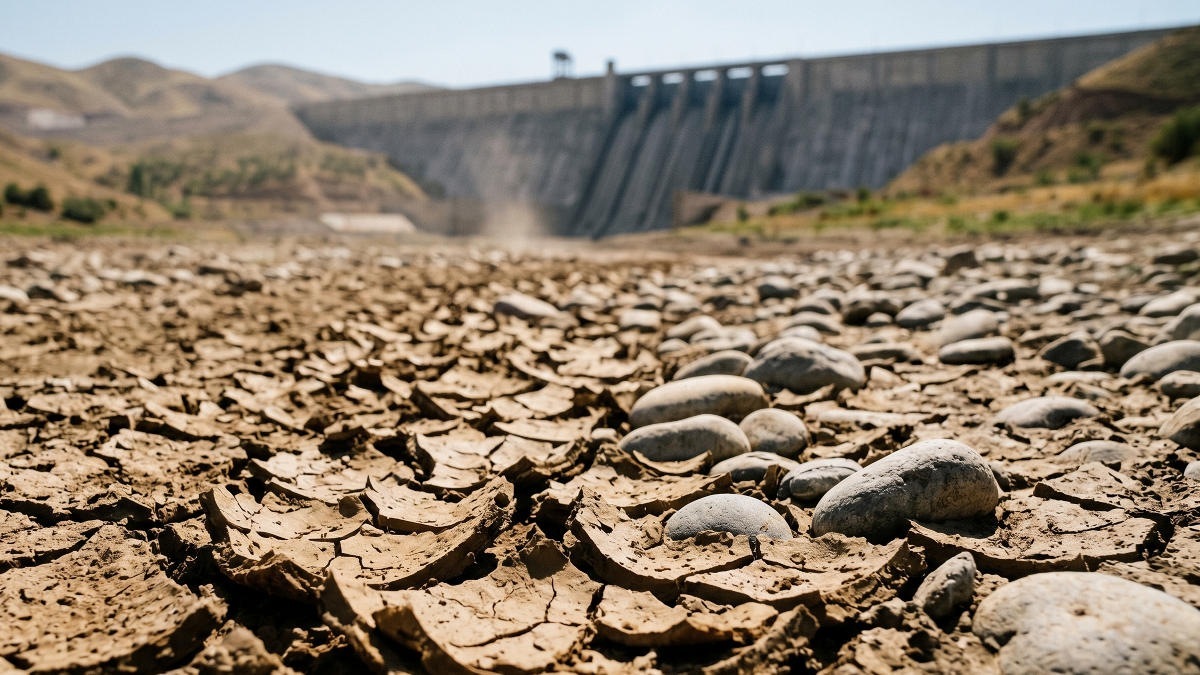
The hydropower sector poses specific risks to the region’s free-flowing rivers, which host endemic fish species found nowhere else on Earth. Rivers without Boundaries has identified that new dam construction fragments river basins and leads to irreversible habitat loss. Consequently, the coalition is seeking a moratorium on hydropower development on untouched rivers and the implementation of environmental flow standards for existing dams.
Relevant government agencies are expected to incorporate these proposed mechanisms during the revision of national strategies. Failure to integrate these safeguards could result in environmental damage from the rapid deployment of green technologies that outweighs the positive climate effects, potentially undermining the fundamental objectives of the regional energy transition.