
Tajikistan Shifts Hydropower Strategy Toward Distributed Generation
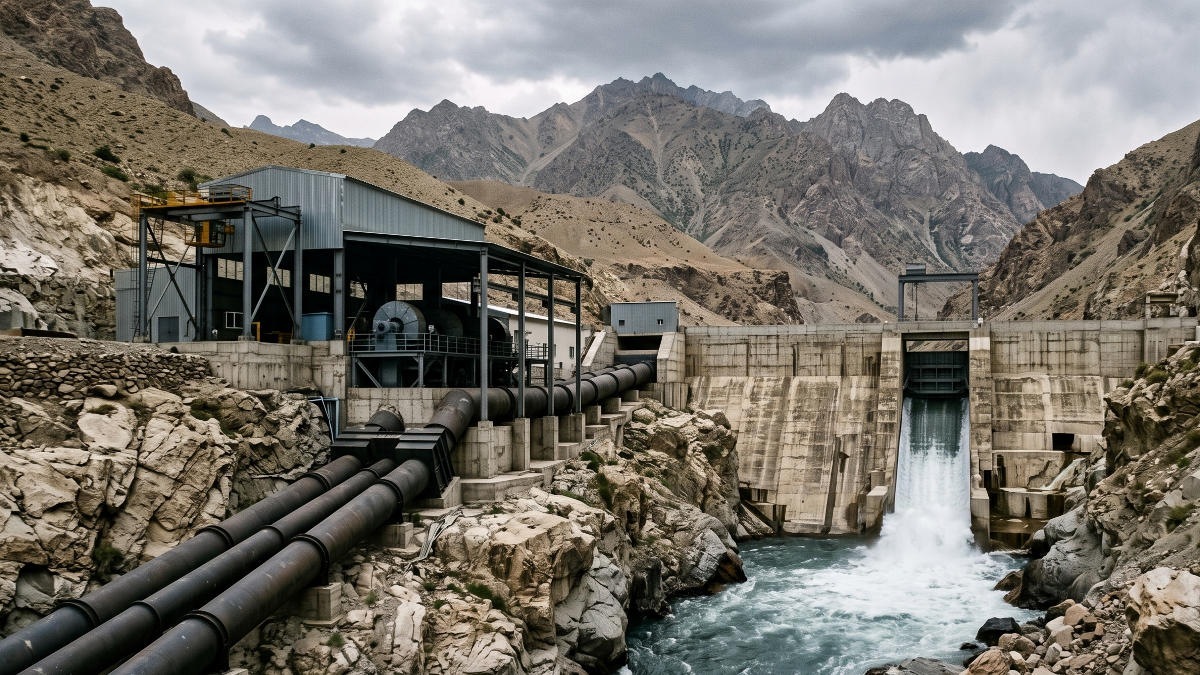
DUSHANBE (Rivers without Boundaries) – Tajikistan is adjusting its hydropower development strategy, shifting focus from large-scale construction projects toward the expansion of distributed generation. While work continues on the Rogun hydroelectric power plant, the Ministry of Energy and Water Resources is prioritizing the development of small and medium-sized facilities. Minister Daler Juma stated following the first half of 2026 that these plants are essential for addressing energy shortages in the country’s remote regions.
The Gorno-Badakhshan Autonomous Region serves as the primary model for this shift. The region’s autonomous energy supply has historically relied on a network of small installations, allowing it to meet local demand independently of the national power grid. This regional experience demonstrates that small and medium power plants can effectively secure the energy needs of specific territories.
This decentralized approach is now being implemented across the republic, with eight additional small hydroelectric plants scheduled for commissioning by the end of 2026. The construction of these new capacities requires the involvement of private capital, prompting the Ministry of Energy and Water Resources to engage in negotiations with both domestic and international investors. Future projects are expected to be realized through public–private partnership models, supported by upcoming memorandums on direct investment.
To facilitate investment in the sector, Dushanbe has modernized its legislative framework. A new regulatory act governing renewable energy production establishes transparent rules for the generation market and introduces a system of preferences for businesses. These incentives include specific benefits for companies involved in importing technical equipment for the construction of new hydroelectric power stations.