
Uzbekistan’s Angren Power Station Enhances Dam Safety and Digital Monitoring
The Angren Hydroelectric Power Station in Uzbekistan is finalizing an equipment overhaul and the integration of digital dam monitoring systems. The facility, a primary provider of electricity and drinking water for the city of Angren, has surpassed its generation targets following heavy seasonal rainfall. During the first half of the year, the plant exceeded production expectations relative to its annual goal of 54 million kilowatt-hours. Total river inflow is projected to reach 800 million cubic meters by the end of the year, with turbines currently operating at full capacity.
Since the modernization began, 13 reconstruction projects have been completed at the site. The facility has retired a 50-year-old Ukrainian oil pressure unit in favor of a Serbian-made system. New controllers and instrumentation for the generators were imported from China, while rubber gate seals were sourced from Russia. Updates to the station’s automated process control software and hardware were also finalized, alongside repairs to the deep-water intake. Maintenance on the 100-ton gates involved lifting the structures for cleaning, repainting, and the installation of new bolt connections.
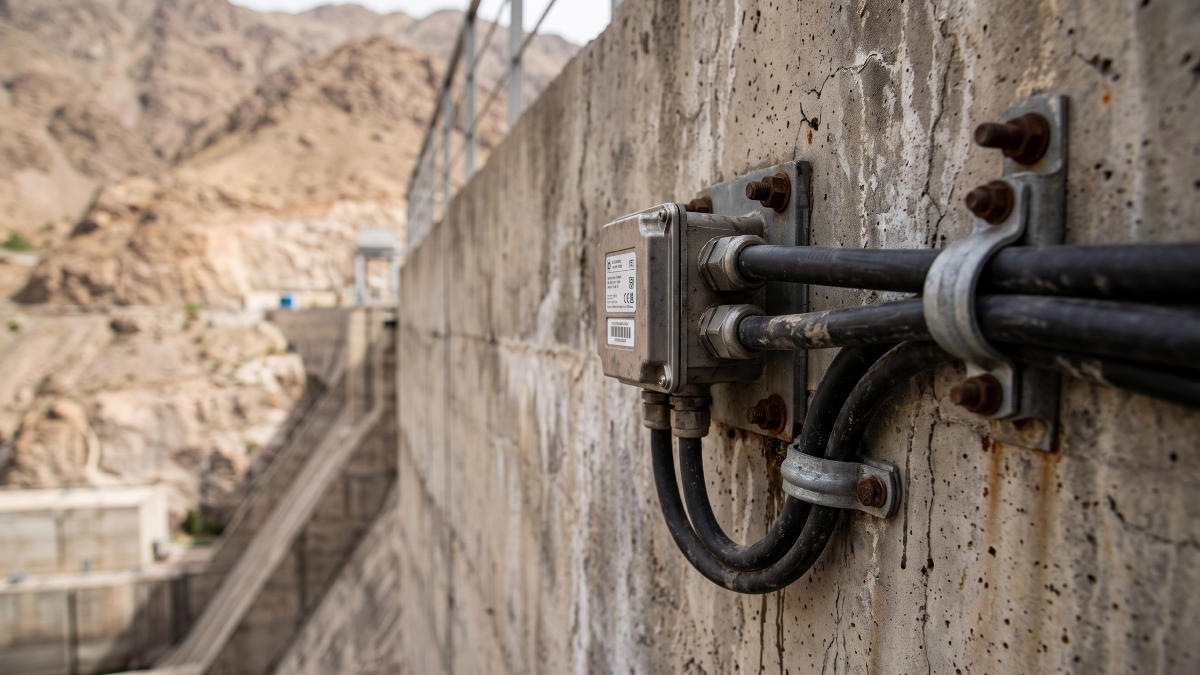
Safety of hydraulic structures has been established as a priority following the 2020 Sardoba Reservoir breach. After the Angren facility was transferred to the state-owned JSC Uzbekgidroenergo, several non-functional monitoring wells were replaced. Technical teams drilled ten new wells and installed European-standard sensors on 37 piezometers. These sensors reach depths of approximately 100 meters to provide real-time data on the structural integrity of the dam. This system replaces a manual measurement process previously performed by staff.
Engineers now monitor dam stability by analyzing deviations from the calculated phreatic line. Data from sensors, geodetic markers, strain gauges, and 130 surveillance cameras are synchronized between the local control room and a central situational center in Tashkent. Daily operational charts are archived in a unified database to prevent the loss of data regarding structural dynamics.
Given that the Angren Reservoir is a critical source of drinking water, sanitary controls remain stringent. Water samples are collected twice a week from ten different locations to be tested for ten physicochemical parameters, including acidity and impurity levels. The 50-kilometer perimeter of the reservoir is closed to swimming due to a lack of rescue infrastructure. Shoreline security and environmental protection efforts – including the prevention of illegal fires and waste disposal – are managed through joint patrols with the Ministry of Emergency Situations and environmental police.