
Environmental Groups Demand World Bank Moratorium on High-Altitude Hydropower
A catastrophic event in the Himalayas that resulted in thousands of casualties has prompted environmental organizations to issue a formal ultimatum to the World Bank. A coalition of more than 100 environmental groups, including Rivers without Boundaries, is demanding an immediate cessation of funding for large-scale high-altitude hydroelectric projects. The tragedy in Nepal is viewed as a critical warning for Central Asia, where international lenders are financing the construction of massive dams in the seismically active Pamir and Tien Shan mountain ranges.
On August 26, 2026, a rock and ice avalanche in the Bhote Koshi–Trishuli valley triggered a devastating flood. According to government data from late September, 1,450 deaths have been confirmed and more than 5,200 people are reported missing. Approximately 500 of the missing individuals were employees at the $650 million Upper Trishuli–1 hydroelectric project, which is funded by a consortium led by the World Bank Group and the Asian Development Bank. The destruction of 13 hydroelectric plants in the region has caused $1 billion in physical and economic damage, with Kathmandu now requesting $2.5 billion for energy sector recovery – more than half of the total funds required for disaster relief.
A coalition of 111 non-governmental organizations, including Rivers without Boundaries and International Rivers, has submitted a formal appeal to World Bank President Ajay Banga. The letter calls for an immediate moratorium on the construction of large hydroelectric cascades and insists that river systems in unstable mountain regions such as the Himalayas, Hindu Kush, and Pamir be designated as exclusion zones for major infrastructure. The organizations cite a systemic failure in risk assessment, noting that threats from glacial lake outbursts and high seismicity in the Trishuli valley were identified as early as 2017. Despite warnings from independent experts and previous accidents at the construction site, the World Bank continued to provide financing.
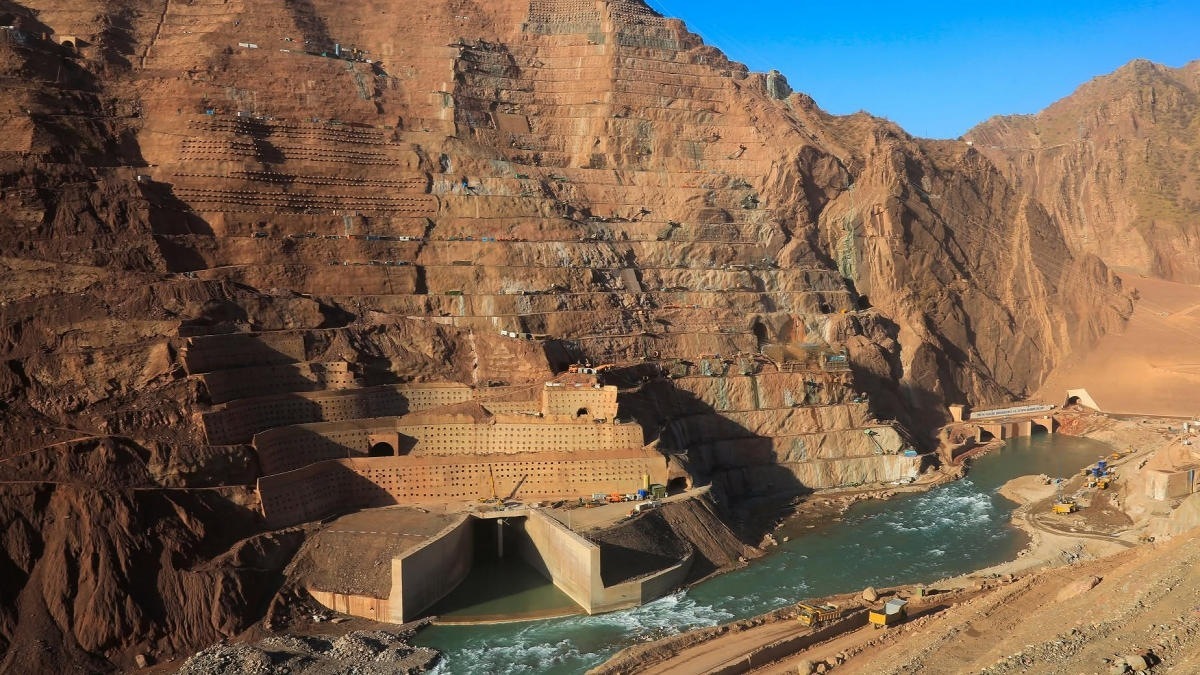
Similar risks are evident in Central Asia, where the Rogun hydroelectric project in Tajikistan serves as a prominent example of a development approved without comprehensive environmental threat assessments. Situated on the Vakhsh River within the Amu Darya basin, Rogun is designed to be the world’s tallest embankment dam at 335 meters. The project faces vulnerabilities identical to those in Nepal, including rapid glacial retreat, mudslides, and high seismic activity. The World Bank maintains its support for the project, with total funding reaching $650 million following a $300 million grant approved in mid-2026 and ratified by the Tajik parliament in October.
Efforts are currently underway to assemble a pool of international donors to secure an additional $3 billion for the Rogun project. Construction is progressing alongside power generation; the dam height has reached 190 meters, and two turbines are already operational. However, the transboundary nature of rivers in Central Asia complicates these developments. Projects like Tajikistan’s Rogun and Kyrgyzstan’s Kambarata–1 directly impact the water security of neighboring countries. Large-scale hydrological interventions threaten to degrade ecosystems, including UNESCO World Heritage sites, and could exacerbate regional water disputes as climate change intensifies.
The coalition urges the World Bank to end the practice of finalizing financial agreements before all environmental audits and emergency action plans are completed. They recommend that creditors redirect investment toward diversifying energy systems through solar and wind generation, energy storage technologies, and grid modernization. Continued investment in climate-vulnerable hydropower is presented as a course of action that implicates international financial institutions in potential future disasters.