
Kyrgyzstan Approves $50 Million Loan for Kambarata HPP–2 Safety Project
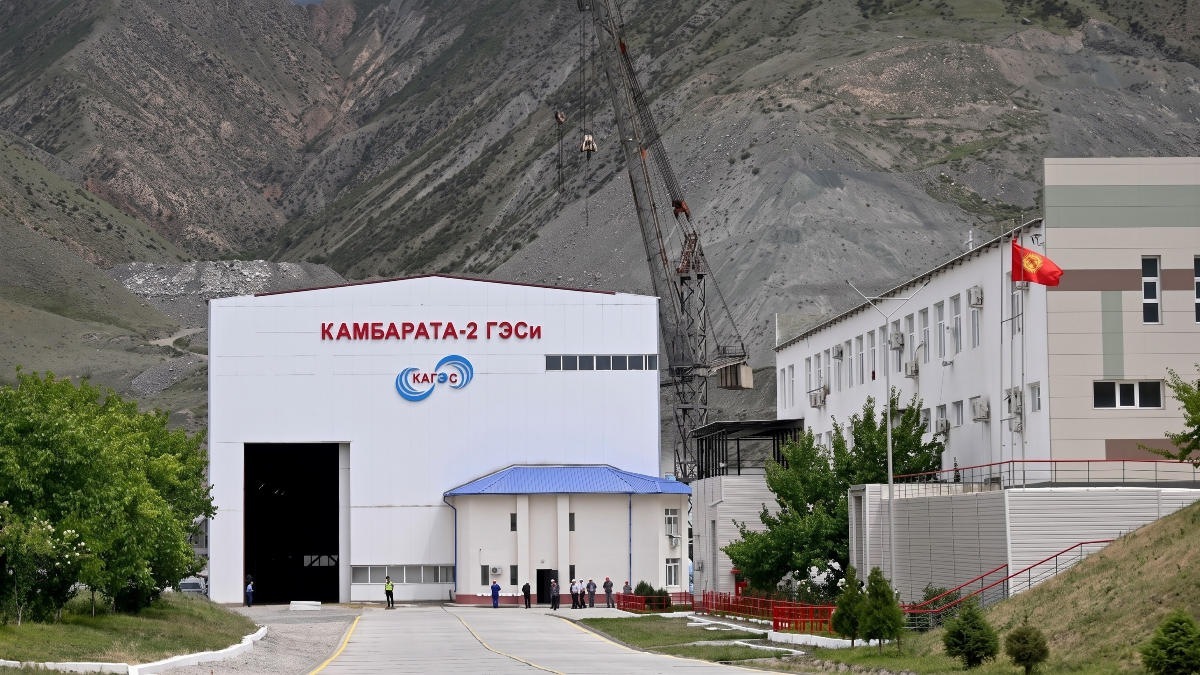
The Cabinet of Ministers of Kyrgyzstan has approved a $50 million loan agreement with the Eurasian Fund for Stabilization and Development (EFSD) for the construction of an additional surface spillway at the Kambarata HPP–2. The government order regarding the agreement was finalized in late September 2026, following the official signing of the document in Bishkek in mid–July.
The new hydraulic structure is required for the safe operation of the power station. Existing infrastructure necessitates modernization to expand discharge capacity. The construction of the surface spillway is not intended to yield direct economic profit, as the primary objective is the prevention of emergency situations at the hydrotechnical facility and the alignment of the site with international reliability standards.
Financing terms include a 20–year loan period with a five–year grace period. The interest rate is set at one percent per annum, alongside a one–time initial commission of 0.5 percent of the total amount. There is no fee for the reservation of funds. Capital provided by the fund will be transferred to the state–owned generating company Electric Stations through a relending mechanism, which exempts the republican budget from direct implementation costs.
In addition to the primary construction and installation work at the dam, the budget covers engineering and geological surveys. A portion of the funds will be allocated to independent specialists providing design and engineering supervision throughout the construction phase. The project budget also incorporates costs for daily operational management and professional development programs for energy sector personnel.
The Ministry of Energy is responsible for monitoring the implementation of the contract. The document was approved by the relevant committees of the Kyrgyz parliament during the spring and summer of the preceding year and now proceeds to the final stage of mandatory ratification during a plenary session of the Jogorku Kenesh. The project is not expected to result in negative economic, social, or environmental impacts for the region.