
Tajikistan and China to Assess Obihingou River Hydropower Potential
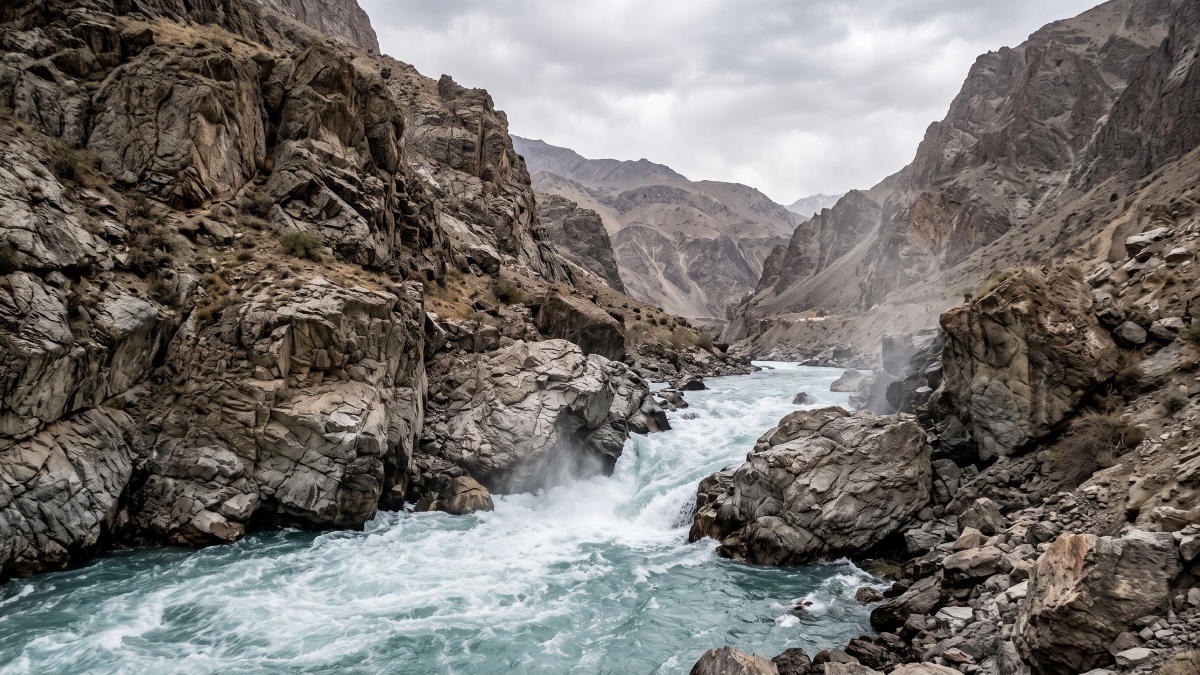
The Government of Tajikistan is engaging Chinese investors to evaluate the hydroelectric potential of the Obihingou River. Minister of Energy and Water Resources Daler Juma and the head of Xinjiang Shouhai Power Development, Chen Zhengjiang, signed a memorandum of understanding in Dushanbe to conduct survey work for the potential construction of new generating capacities. Simultaneously, the ministry signed an agreement with a consortium led by Avesto Group to modernize the electrical grid in the Tajik capital. Specific financial parameters and implementation timelines for these investment projects have not been disclosed.
Interest in the hydropower potential of the Obihingou River basin is not new. In 2018, the Ministry of Energy presented a portfolio of five prospective hydroelectric power plants in the region. The spatial planning scheme at that time included the 800 MW Sangvor HPP, the 850 MW Urfat HPP, the 600 MW Shtien HPP, and two stages of the Nurobod HPP – the first and second – with project capacities of 160 MW and 200 MW respectively. The total projected output of this cascade was estimated at 2,610 MW, which would establish it as one of the largest energy hubs in the country.
Two years after that presentation, entities from Iran, Kazakhstan, and China expressed interest in the resources of the Obihingou and the neighboring Surkhob River during a search for funding sources. However, those proposals did not reach the phase of physical implementation or construction. The specific section of the river to be surveyed by Xinjiang Shouhai Power Development has not been disclosed. It is not yet known whether the developer intends to revive the 2018 projects or propose an alternative development scheme for the riverbed.