
Kyrgyzstan Debates Water Resource Compensation from Neighbors
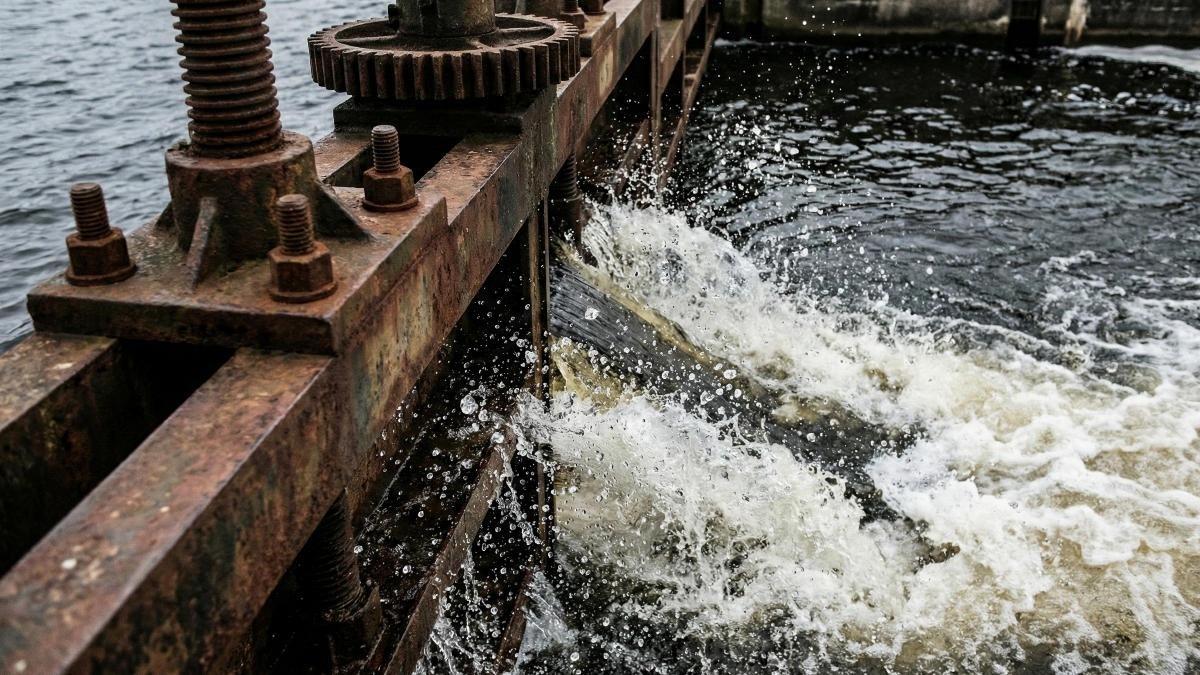
The equitable distribution of water reserves and financing for hydraulic infrastructure were discussed at a meeting of the Jogorku Kenesh Committee on Agrarian Policy and Water Resources. Parliamentarian Umbetaly Kydyraliev raised concerns that a significant portion of the water collected in the republic’s hydroelectric plants and reservoirs is used by neighboring states without sufficient economic compensation. According to data presented, approximately 80 percent of the water flows to Kazakhstan and Uzbekistan, while the financial burden for maintaining the facilities rests on Kyrgyzstan’s budget.
Kydyraliev specifically pointed to loan obligations to the World Bank for the modernization of the Toktogul Hydroelectric Power Plant. He argued that the situation–where the republic bears the costs of servicing loans and maintaining energy hubs without direct benefit from the resource’s use downstream–requires reassessment. He cited international practices, such as water usage payment mechanisms between the United States–Canada and Germany–Sweden, and called for neighbors to reimburse costs for dam repairs and infrastructure reinforcement.
In response, Bakyt Torobaev, the Deputy Chairman of the Cabinet of Ministers and Minister of Water Resources, Agriculture, and Processing Industry, clarified the situation. He explained that the World Bank loan was used to optimize operations and increase the capacity of the Toktogul HPP from 1,200 to 1,440 megawatts. Torobaev also stated that mechanisms for neighboring countries to participate in infrastructure maintenance are already in place, noting that Uzbekistan fully covers the maintenance costs for reservoirs in the Ala-Buka district.
The minister added that neighboring countries acknowledge their responsibility and are prepared to participate in repair work, suggesting Kazakhstan would assist with the Kirov reservoir if necessary. However, Torobaev articulated the government’s official position, following a directive from President Sadyr Japarov, that Kyrgyzstan is to carry out repairs on its hydraulic structures using its own resources without requesting funds from partner nations.
Torobaev concluded that Kyrgyzstan intends to independently ensure the technical serviceability of its strategic assets. At the same time, if partner states choose to initiate or participate in joint projects or provide voluntary financing, Kyrgyzstan would not object, as existing interstate agreements allow for such cooperation.