
Hydropower Plan in Kazakhstan Raises Environmental Concerns
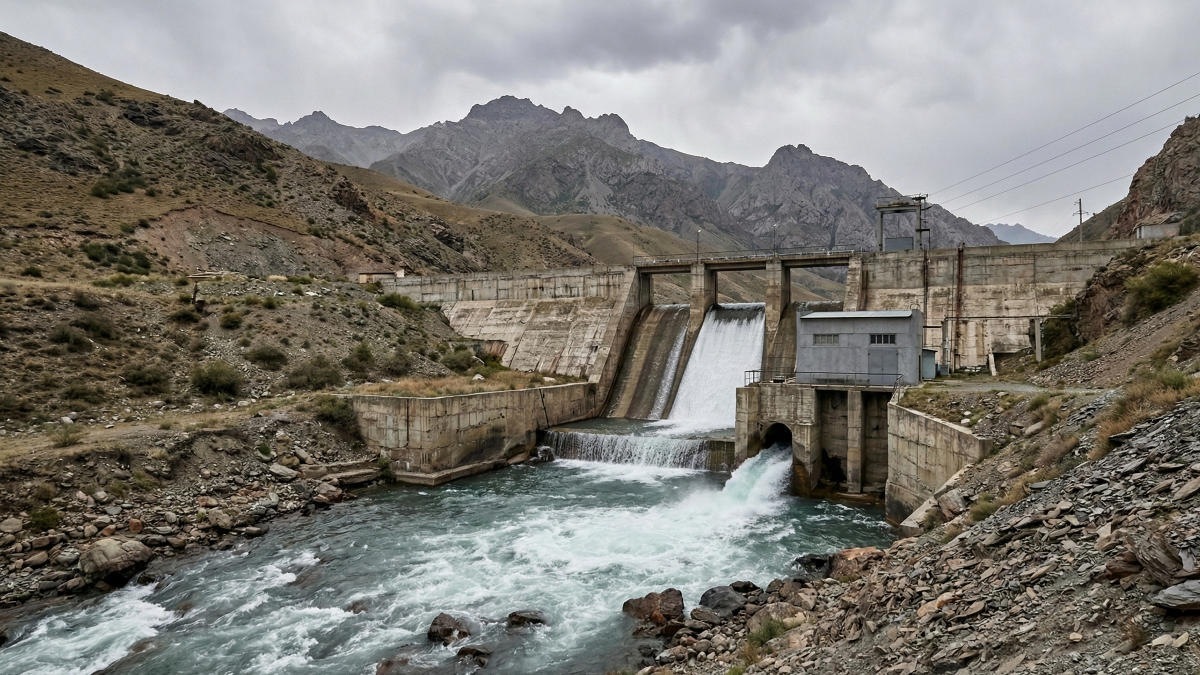
Authorities in the East Kazakhstan Region have identified 95 potential sites for constructing small hydropower facilities. The region, which holds up to half of the country’s water resources, is central to plans for reducing national power deficits. According to approved plans, nine hydroelectric power stations with a combined capacity of nearly 149 megawatts are to be built in the region over the next five years. The official rationale focuses on green energy generation and local benefits, with the compact facilities intended to create a power reserve for industry and communities while reducing strain on aging infrastructure. The first pilot project–a 1.4-megawatt plant in the Ulken-Naryn district–is scheduled for completion in 2027.
The widespread construction of hydraulic structures, even on a small scale, poses risks to biodiversity. A primary concern with small hydropower plants, particularly diversion-type models, is the alteration of river hydrology. This process often involves diverting water into pipes or canals for several kilometers to power turbines, leaving the natural riverbed nearly dry. Such dewatering can lead to the degradation of floodplain forests and the loss of microorganisms that constitute the food base for local fish populations.
The cumulative effect of these developments is also a significant concern. The construction of cascades of power stations–with nearly one hundred potential sites identified–fragments river systems. Dams create insurmountable barriers to fish migration, a critical issue for the mountain rivers of the Altai which are habitats for rare species such as taimen and lenok. Artificial flow regulation alters water temperature and current speeds, creating conditions unsuitable for fish spawning. Furthermore, building access roads and power lines in remote mountain areas necessitates deforestation and can cause soil erosion, increasing the risk of landslides and mudflows. These projects risk converting natural mountain streams into engineered channels, potentially causing significant damage to the unique ecosystems of East Kazakhstan.