
Kyrgyzstan Reclassifies Land for Kulanak Hydroelectric Project
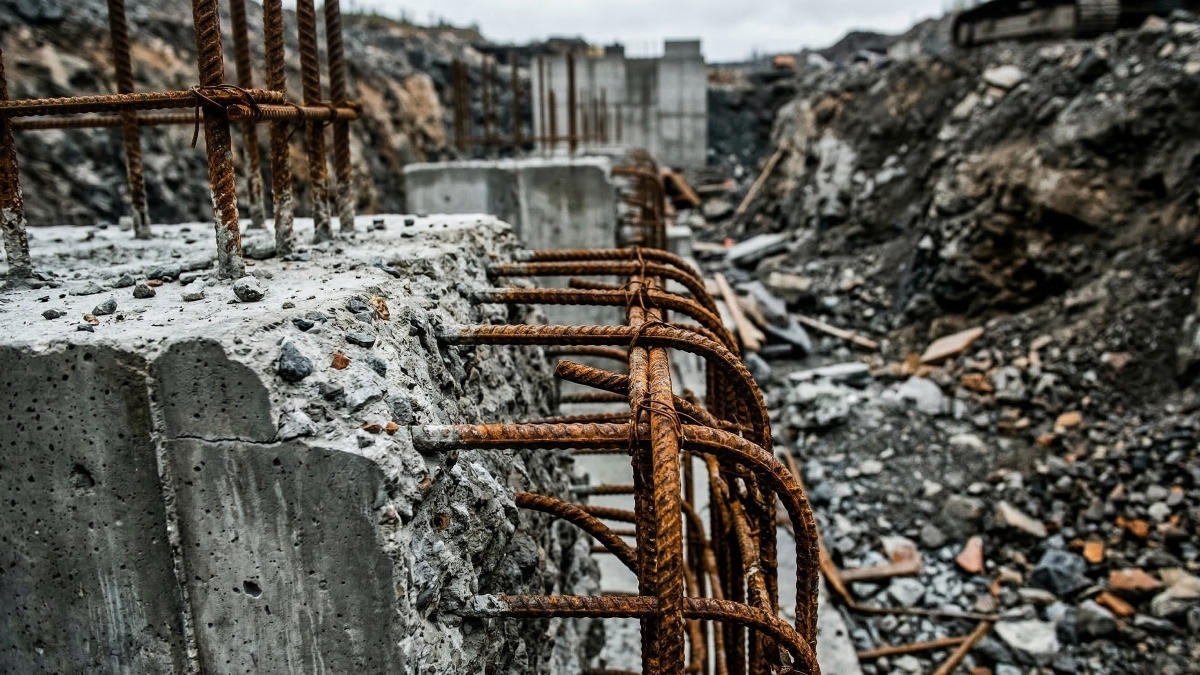
The government of Kyrgyzstan has approved the reclassification of nearly five hectares of state land in the Naryn region into industrial areas. The corresponding decree was signed by the head of the cabinet, Adylbek Kasymaliev. This decision legally secures the plots for the construction of the Kulanak hydroelectric power station – one of the key infrastructure facilities in the country’s energy sector.
The change in land use designation affects 4.9 hectares within the boundaries of three rural districts – E. Dairakunov, Emgek-Talaa, and Uchkun. The majority of the transferred territories previously belonged to the water fund, accounting for more than 4.4 hectares. Additionally, less than half a hectare of irrigated agricultural land has been allocated for the needs of the energy facility. The transformation of the land status was required for the legal construction of hydraulic hubs and the accompanying infrastructure of the future station. Simultaneously, the government carried out a reciprocal procedure, returning 1.85 hectares of industrial territories in the Uchkun district to the state forest fund.
The construction of hydropower facilities in the mountainous region requires strict compliance with technical regulations. The Cabinet of Ministers has obligated the developer to ensure adherence to anti-seismic norms and building standards, as well as to design a reliable drainage system for meltwater and rainwater to prevent soil erosion. An additional condition is the protection of historical and cultural heritage. If archaeological artifacts are discovered in the excavation zone, the construction must be monitored by specialized experts.
Local administrations have been instructed to record the changes in the land registration documentation within ten days. Formalizing the status of the plots allows contractors to proceed with capital construction without legal risks. The Kulanak hydroelectric project is being implemented on the Naryn River and aims to achieve an overall reduction in the republic’s energy deficit, which traditionally worsens during the autumn and winter periods due to increased consumption and falling water levels in reservoirs.