
RusHydro Targets Central Asian Hydropower Expansion
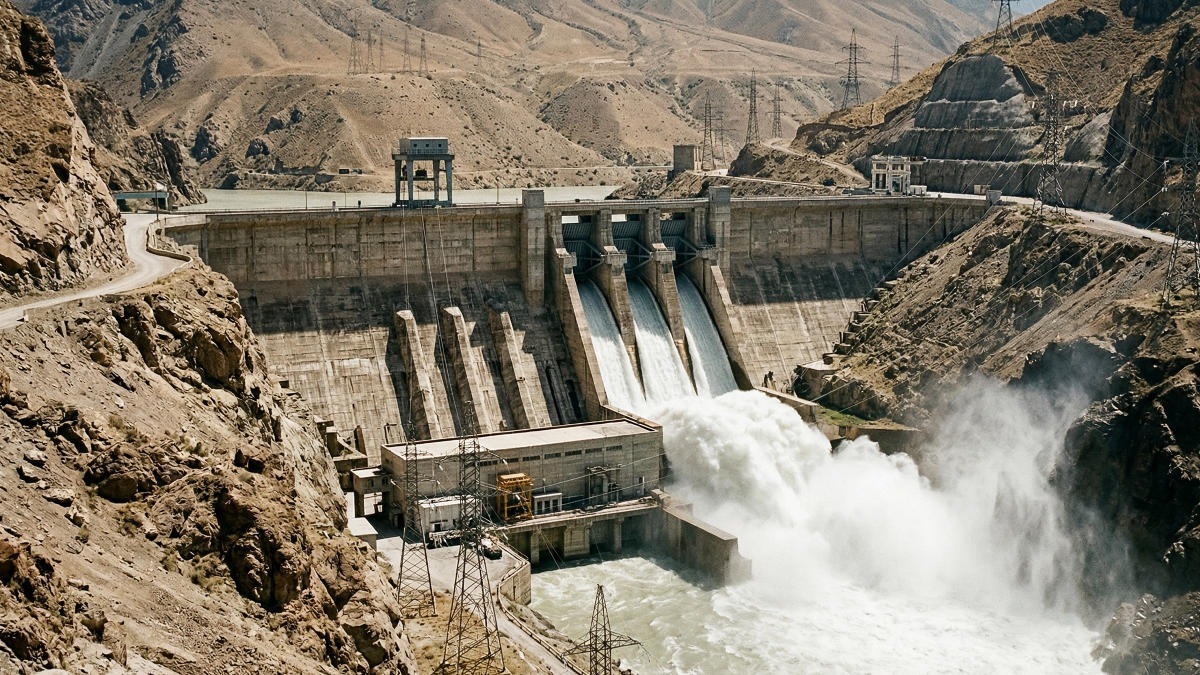
The Russian energy generating company RusHydro plans to expand its involvement in the modernization and construction of hydroelectric power plants across Central Asia and the Caspian region. During an industry congress in Bishkek, the holding offered its engineering services to local operators, leveraging its access to the technical archives of projects executed by Soviet specialists since the late twentieth century. Following the meeting in Kyrgyzstan, the company received an award for its strategic leadership within the sector.
Over the past several decades, Russian engineers have contributed to the commissioning of more than a hundred water and energy infrastructure facilities in this macro-region. These installations currently provide baseload power generation, supply municipal water, and regulate river flows. The largest hydroelectric plants built using designs from Russian institutes include the 1,440 MW Toktogul and 800 MW Kurpsai stations in Kyrgyzstan. In Tajikistan, these include the 3,000 MW Nurek and 675 MW Sangtuda facilities, in Kazakhstan – the Shulbinsk and Bukhtarma plants producing 702 MW and 675 MW respectively, and in Uzbekistan – the 666 MW Charvak power plant.
The possession of original design and operational documentation provides RusHydro with an advantage when planning new construction and upgrading existing hydraulic units. Several promising sites have been identified for potential engineering partnerships. In Kyrgyzstan, projects of interest involve the construction of the 1,860 MW Kambarata-1 hydroelectric plant, the 1,305 MW Suusamyr-Kokomeren cascade, and the 1,160 MW Kazarman cascade. In Tajikistan, the company is evaluating participation in the 3,600 MW Rogun and 850 MW Shurab hydroelectric facilities.
A separate operational focus involves pumped-storage hydroelectricity, which is necessary to balance energy grids amid the increasing integration of renewable energy sources. In Uzbekistan, the planned 600 MW Karateren and 300 MW Aydarkul pumped-storage plants are currently under review. In Kazakhstan, the second phase of the Shulbinsk hydroelectric plant has been identified as a potential target for cooperation.