
Central Asian Nations Agree on Water Sharing for 2026 Dry Season
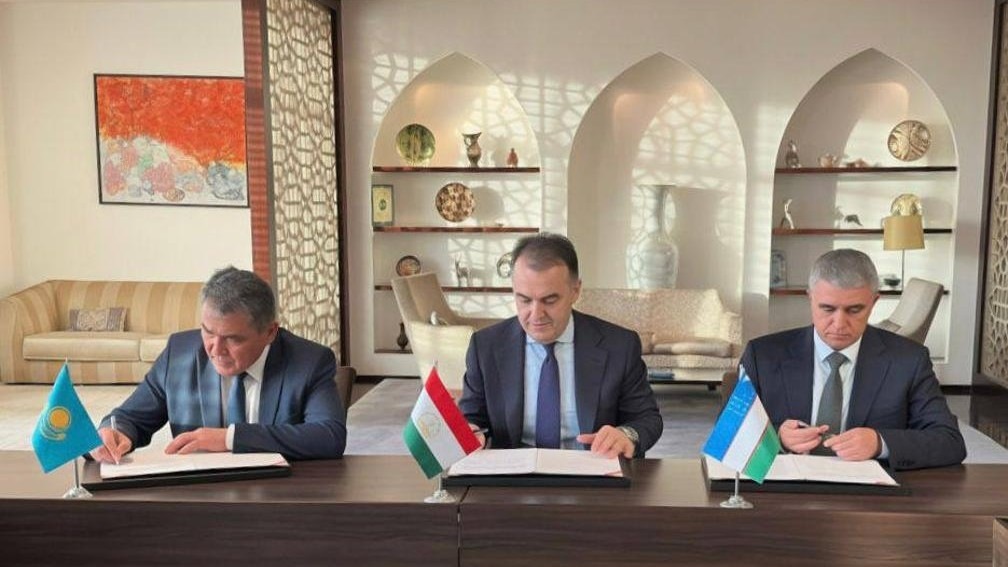
Central Asian countries have allocated water resources ahead of the 2026 dry season. The heads of the water ministries of Kazakhstan, Tajikistan, and Uzbekistan signed a protocol regulating the operation of the Bahri Tochik reservoir in Tajikistan. The agreement defines the volume and schedule of water releases from June to August – the months when the region’s agricultural lands experience the highest demand for irrigation.
Water from the reservoir is designated for agricultural use in southern Kazakhstan, primarily targeting the Maktaaral and Zhetysai districts of the Turkistan region. In these areas, summer water shortages historically pose risks to cotton and melon crops. The transboundary nature of regional rivers makes downstream agriculture entirely dependent on the hydrological regimes managed by upstream nations, meaning that coordinating flow volumes requires early diplomatic cooperation.
Kazakh Minister of Water Resources and Irrigation Nurzhan Nurzhigitov characterized the agreement as a result of constructive cooperation among neighboring states, designed to secure a stable growing season and support local farmers. Water allocation remains a routine but vital practice for nations whose agricultural security is closely tied to the fluctuating flow of the Syr Darya River.
Following the negotiations, Tajik Minister of Energy and Water Resources Daler Juma, Uzbek Minister of Water Resources Shavkat Khamraev, and their Kazakh counterpart agreed to continue joint planning. Against the backdrop of climate change and shrinking glaciers in the Tian Shan and Pamir mountains, regional states must annually balance hydroelectric power generation with food security. The approval of the 2026 schedule provides assurances to agricultural producers that their crops will receive irrigation during the hottest summer months.