
Transboundary pollution of the Ili River threatens the ecosystem of Balkhash
Environmental safety of Kazakhstan is inextricably linked with the condition of waterways, among which the transboundary Ili River occupies a special place. Being the main source of food for Lake Balkhash, it is experiencing serious anthropogenic pressure. The waters of the river are polluted by industrial, agricultural and domestic wastewater both in China, where the river originates, and within Kazakhstan. According to a study by Kazakhstani and German scientists published in the journal Applied Sciences, the scale of pollution is such that the ecosystem’s ability to self—repair is significantly limited, and in some cases almost exhausted.
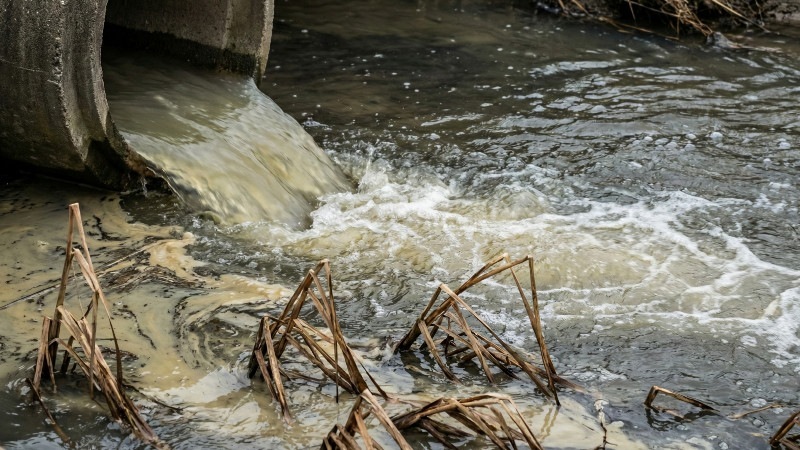
The water quality monitoring carried out in the period from October 2023 to September 2024 covered the key points of the basin: from the Dobyn hydropost on the boundary with China to the river delta before the confluence with the Balkhash. Analysis of the samples revealed alarming dynamics of the content of heavy metals such as copper, zinc, lead, cadmium, cobalt and nickel. Unlike organic pollutants, these substances do not decompose, but only redistribute in the components of the aquatic environment, accumulating in fish and sediments, which creates a long-term threat to the entire biodiversity of the region.
Already at the entrance to Kazakhstan, the transboundary runoff carries a significant amount of toxic compounds. The concentrations of copper, cobalt and nickel at the Dobyn border post systematically exceed the standards established for fishery reservoirs. In spring and summer, pollution rates increase, which is associated with an increase in runoff and active agricultural activity in the adjacent territory. Industrialization and urbanization in the Xinjiang Uygur Autonomous Region of China remain key factors in the deterioration of water quality entering Kazakhstan.
Domestically, the situation is aggravated by wastewater discharges from settlements and the flushing of fertilizers from irrigated fields. The contribution is made by small rivers flowing into Ili, which pass through densely populated areas and industrial zones of Almaty region. As a result, the concentration of pollutants in some areas continues to grow, creating a high burden on the ecosystem. Kapshagai reservoir plays a special role in the migration of metals. It acts as a kind of settling tank: the flow rate slows down here, and toxic substances settle to the bottom along with silt and suspended particles.
Due to the accumulation of pollutants in the sediments, the water below the HPP dam becomes cleaner in a number of indicators, but the reservoir itself turns into a zone of accumulation of toxins. This creates risks of secondary pollution when the sediment is agitated or the hydrological regime changes. Studies have shown that the river’s ability to self-purify is extremely unstable. If for cadmium this figure varies from 28 to 81 percent, and for copper and zinc it is less than half, then the process of self-purification from nickel in the river practically does not occur.
The ecological system of the Ili river does not cope with the incoming load. In the summer, when the water level drops, the concentration of harmful substances reaches peak values. The highest exceedances of standards are recorded for copper and cobalt. For example, the copper content in some areas exceeded the permissible values by tens of times. This indicates that the mechanisms of natural filtration and dilution of effluents no longer work effectively in conditions of intensive economic development of the catchment area.
Urgent measures are needed to preserve the unique ecosystem of Lake Balkhash and provide high–quality water to the south-east of the country. It is necessary not only to modernize treatment facilities at industrial and municipal enterprises in Kazakhstan, but also to strengthen diplomatic cooperation with China. Restoration of standard water quality is possible only if the volume of discharge of toxic compounds is reduced throughout the river and strict control over water use on both sides of the boundary.
Alexander Eskendirov (Rivers.Help!)
Original (in Russian): Трансграничное загрязнение реки Или угрожает экосистеме Балхаша