
Uzbekistan Boosts Hydropower Investment to $264.4 Million for 2026
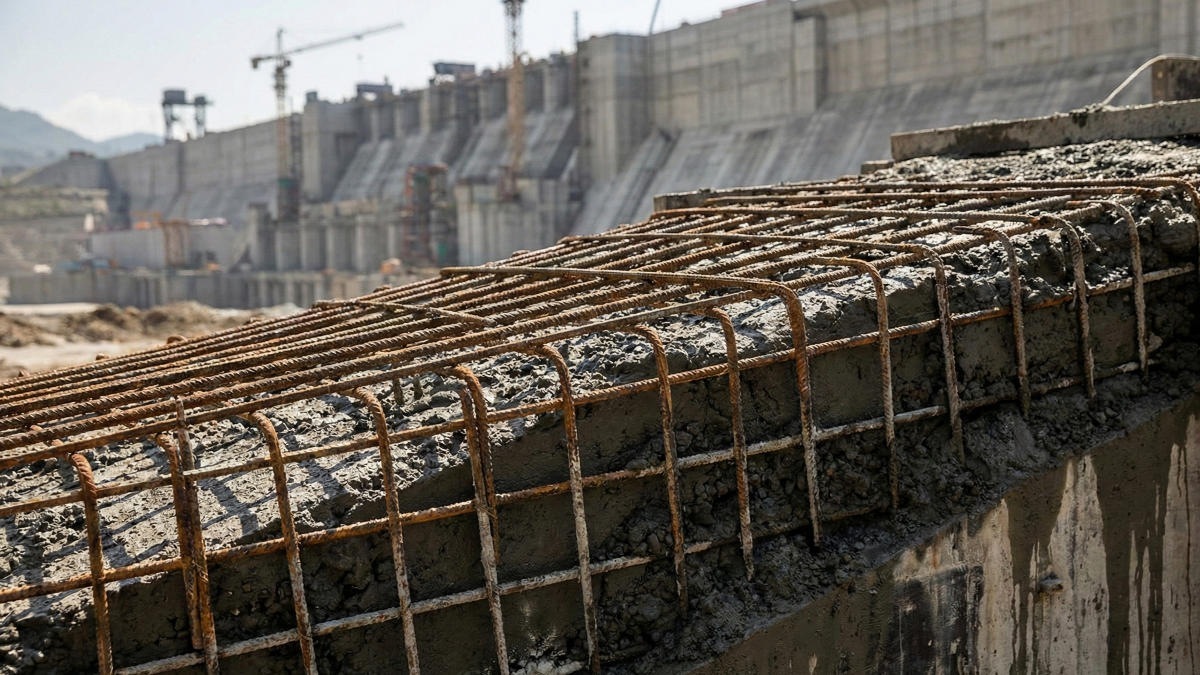
JSC Uzbekgidroenergo has allocated a $264.4 million investment program for 2026, representing a 12 percent increase from the previous year. The total value of the company’s ongoing construction and modernization projects is currently estimated at nearly $3 billion.
The budget for the upcoming year is nearly evenly divided between internal and external funding sources. Uzbekgidroenergo will contribute $135.4 million from its own reserves, while borrowed capital will amount to $129 million. The majority of the borrowed funds, $109.1 million, will come from direct foreign investment. Only $19.9 million is planned to be raised under state guarantees, reflecting a strategy to reduce the debt burden on the national budget.
The strategic construction portfolio includes eight new hydropower generation facilities with a combined projected capacity of over 1.5 gigawatts and an expected annual output of 4.9 billion kilowatt-hours. The program’s largest project is the 600-megawatt Upper Pskem Pumped Storage Power Plant. Scheduled for launch in 2028, this plant is expected to produce over one billion kilowatt-hours annually and will function as a balancing component for the national power grid.
Several other large hydropower plants are also under construction across the country. The 248-megawatt Pskem HPP, located on the river of the same name, is scheduled for completion by 2030. The 228-megawatt Norin HPPs cascade is expected to begin operations in 2028, contributing over one billion kilowatt-hours per year to the energy system. Additionally, the 140-megawatt Mullalak HPP is planned for completion by 2028, followed by the 80-megawatt Kishtut HPPs cascade on the Topalang River in 2029.
The investment program also encompasses the comprehensive modernization of existing assets. In 2027, upgrades are scheduled for completion at two hydro-technical facilities – the Lower Bozsu HPP cascade and the Shakhrikhan HPP cascade. The replacement of outdated equipment is intended to extend the operational lifespan of these power plants and increase their generation capacity without the significant expenditure required for new dam construction.