
The production of small hydropower plants in Kyrgyzstan is planned to increase to a billion kilowatt-hours
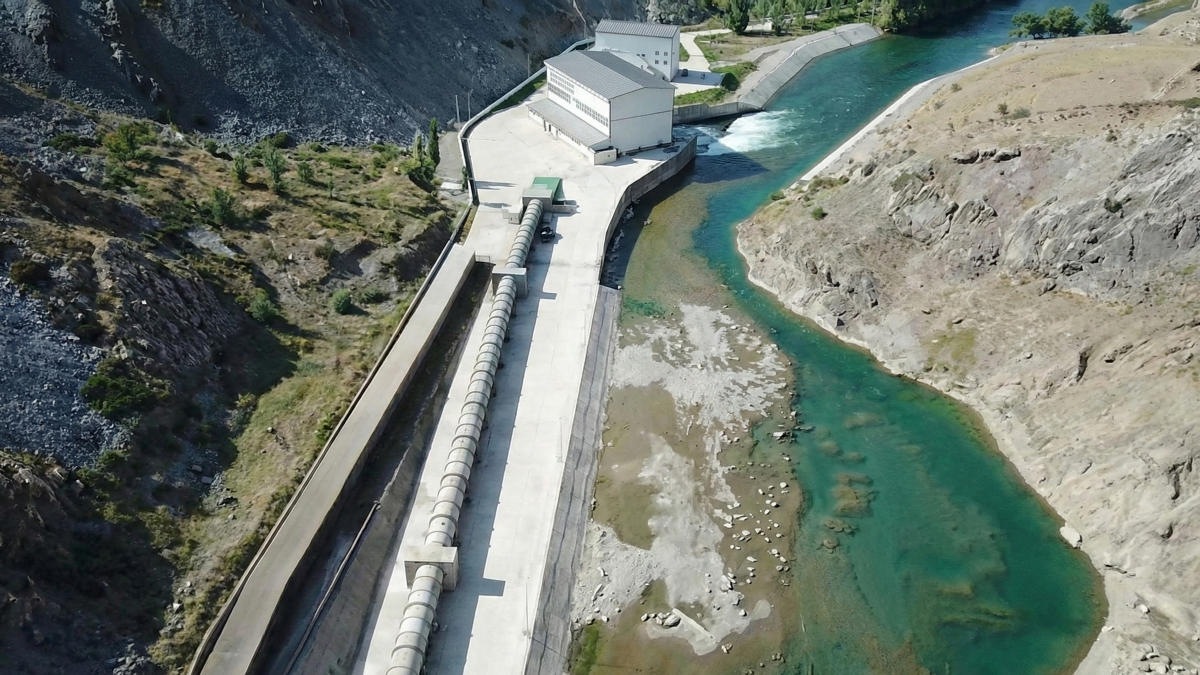
In the completed 2025, the hydropower sector of Kyrgyzstan demonstrated the expansion of generating capacities through the commissioning of small hydropower plants. According to official data, the country’s unified energy system has been replenished with eight new small hydroelectric power plants, whose total capacity was 44.59 megawatts. These projects are being implemented by the Ministry of Energy and JSC Chakan HPP as part of a strategy to reduce energy shortages and improve the reliability of power supply in the regions.
One of the significant events of the reporting period was the official launch of the Kara-Kul HPP, which took place at the end of October. Along with this, active construction work continues at such facilities as the Orto-Tokoyskaya HPP, the Papanskaya HPP and the Nizhne-Tarskaya HPP. According to statistics, the total volume of electricity generated by the small hydropower sector in 2025 exceeded 400 million kilowatt-hours, while the share of new stations in this volume amounted to more than 41 million kilowatt-hours.
The plans of the relevant department for the near future provide for a further increase in the pace of construction. Taalaibek Mambetaliev, First Deputy General Director of Chakan HPP OJSC, said that 19 more small hydroelectric power plants with a total capacity of over 125 megawatts are scheduled to be commissioned in 2026. In the long-term development strategy of Kyrgyzstan, approved by the country’s leadership, the power engineers are tasked with bringing the production of small hydropower plants to 1 billion kilowatt-hours by 2030.
At the same time, the intensive development of the hydro resources of small rivers actualizes the issues of environmental safety. Specialized experts and environmentalists point to the potential risks associated with the massive construction of hydraulic structures. In particular, the overlap of riverbeds and the discharge of water into derivational channels can significantly change the natural hydrological regime of rivers, which negatively affects local ecosystems.
Of particular concern to experts is the reduction of fish migration routes and biodiversity in general. The construction of dams without proper fish passageways creates insurmountable barriers for ichthyofauna, and changes in flow velocity and water temperature can lead to habitat degradation. In this regard, when designing new facilities, special attention should be paid to environmental impact assessment so that the desire for energy independence does not cause irreparable damage to the natural balance of mountain rivers.
Original (in Russian): Выработку малых ГЭС Кыргызстана планируют довести до миллиарда киловатт-часов