
Hydropower Projects in Kazakhstan Spark Environmental, Heritage Concerns
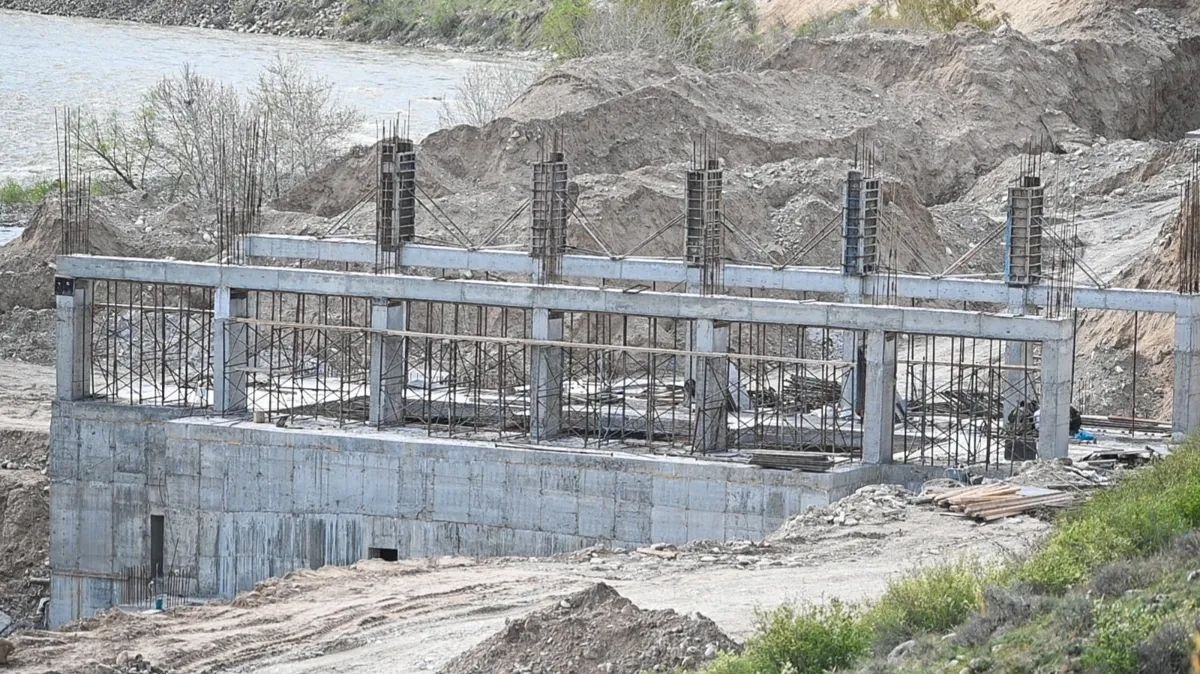
Kazakhstan announced plans in February to construct new hydroelectric power plants (HPPs) with a total capacity of over 660 MW by 2030, with the Zhetysu region identified as a key location. However, HPP development in the area is already facing significant opposition due to environmental and cultural heritage concerns.
Proposals to build HPPs on the mountain rivers of southeastern Kazakhstan, including the Koksu, Tentek, and Ili, have been under consideration for decades, with various development plans documented since 1999. A plan for a cascade of seven to ten HPPs on the Koksu River was initially designated as a first-category project, requiring extensive environmental, archaeological, and seismological assessments, along with public hearings. This large-scale project was later divided into multiple smaller, third-category projects, which are subject to less stringent regulatory requirements.
Despite years of planning, construction did not begin until approximately 18 months ago, when work started on three HPPs on the Koksu River–RUDNICHNAYA-1 and Rudnichnaya-2 near the village of Rudnichny, and the Verkhne-Talaptinskaya HPP upstream from the village of Talapty. The projects immediately drew criticism from local environmental activists, rafting athletes who use the river for international competitions, and archaeologists. Opponents argue the dams will disrupt the river’s ecosystem, hinder recreational activities, and threaten numerous archaeological sites, including petroglyphs and ancient burial grounds. Concerns about potential mudflows during flood seasons were also raised. Construction on all three sites is proceeding, with the Verkhne-Talaptinskaya HPP scheduled for completion this year.
Early this year, land was allocated for two additional HPPs on the Koksu–the Eskeldinskaya and the Kyzylbulakskaya. While the first three projects are considered small HPPs, the proposed Kyzylbulakskaya plant is a medium-to-large facility with a planned capacity of 105 MW and a rockfill dam approximately 120 meters high. Local district officials state that construction has been postponed. Documents for the Eskeldinskaya HPP have been returned for revision, while the land allocated for the Kyzylbulakskaya HPP has been temporarily returned to state ownership amid a legal dispute between contractor Aray Oil LLP and another company, Qamqor Energy LLP.
Archaeologists have expressed particular alarm over these new proposals. A reservoir for the Kyzylbulakskaya HPP could inundate the Molaly gorge, where a significant number of archaeological sites dating from the early Iron Age were discovered last year. These include petroglyphs, burial mounds, and 17th–18th century Kazakh cemeteries. The Eskeldinskaya HPP is also seen as a potential threat to the Eshkiolmes petroglyphs, one of the largest concentrations of rock art in Eurasia and a site on UNESCO’s tentative World Heritage list. While regional officials maintain the HPP would be 30 kilometers away and pose no danger, archaeologists contend that the Eshkiolmes petroglyphs are part of a larger cultural complex that extends along the banks of the Koksu.
Concerns have been compounded by questions surrounding the archaeological assessments for the HPPs already under construction. EnergoBridge, a subsidiary of KazMinerals building the Rudnichny HPPs, conducted its assessment only after public controversy arose last year. The assessment for the Verkhne-Talaptinskaya HPP, conducted by Kazarkheologiya LLP, reported finding only three petroglyphs and a few burial sites after a year of fieldwork. This finding is disputed by other archaeologists and officials from the Zhetysu region’s Center for Historical and Cultural Heritage, who have documented several large groups of petroglyphs just 500 meters from the construction site. A representative for the developer stated that the company is relying on the existing assessment but will comply with the law if violations are confirmed.
The corporate structures behind the HPP projects have also drawn attention. The developer of the Verkhne-Talaptinskaya HPP, formerly known as Bekzat LLP, changed its name in 2024 as construction began. Two years prior, the company altered its primary business activity from truck rentals to hydroelectric power generation. Public records show an overlap in the founders of Verkhne-Talaptinskaya HPP LLP and Eskeldinskaya HPP LLP. Some of these individuals are also linked to other firms, including the Shymkent branch of the Eurasia Insurance Company, whose major shareholders include prominent billionaires. The contractor for the Kyzylbulakskaya HPP, Aray Oil LLP, is a small wholesale fuel trader affiliated with AMF Group, a major industrial holding company. Qamqor Energy LLP, the company in a legal dispute with Aray Oil, has founders with ties to EKO Power-FZCO, a foreign firm whose leadership includes a co-owner of Aidala Munai JSC. The other co-owner of Aidala Munai is the brother of Dimash Dosanov, the former head of state-owned KazTransOil and the former son-in-law of Kazakhstan’s first president, Nursultan Nazarbayev.
In January 2024, the public fund Petroglyph Hunters reported that a new road was being constructed in the Molaly gorge, leading toward the proposed site of the Kyzylbulakskaya HPP. This development appears to contradict official statements that the land plot for the project had been returned to state ownership pending the resolution of a legal dispute.