
Geological Risks Prompt Design Review for Kambarata-1 Hydropower Plant
The construction project for the Kambarata-1 Hydropower Plant on the Naryn River in Kyrgyzstan requires a detailed revision of its technical parameters to account for the region’s geological characteristics. Engineering solutions for the future facility necessitate further development based on historical construction data from neighboring sites.
During the Soviet era, directional explosion methods were frequently employed in hydropower plant construction. Explosives, including nuclear technologies, were utilized to rapidly create earth-and-rockfill embankments. This approach was implemented during the construction of the neighboring Kambarata-2 Hydropower Plant, where unforeseen complications arose during the initial stages. The rock mass deviated from its calculated trajectory, provoking a series of technological difficulties.
This historical precedent highlights the hazards of constructing an earth-and-rockfill dam at the new site. Relying on outdated methods in the current context presents an unjustified risk. Subsequent feasibility studies, prepared with the involvement of international specialists, demonstrate that a concrete dam is the only viable option for the Kambarata-1 project. Concrete construction provides the requisite level of structural reliability.
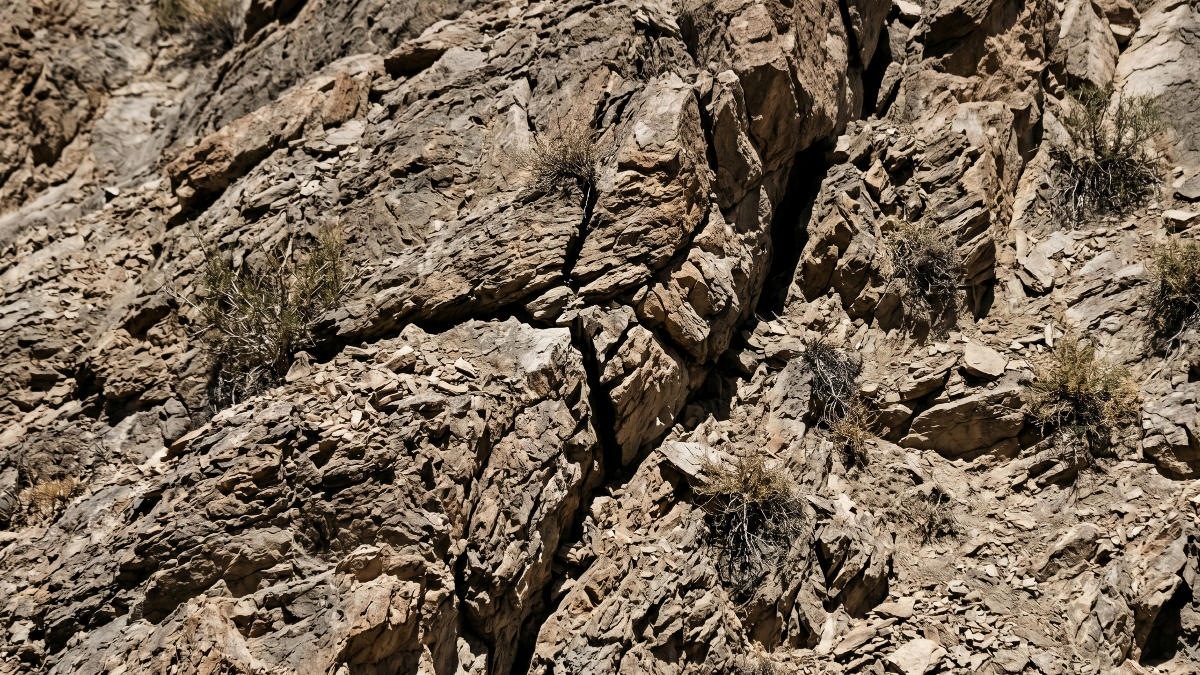
The requirement for concrete is directly linked to the seismological conditions at the site. The proposed territory for the facility is characterized by heterogeneous rock formations, and the Ak-Shyirak tectonic fault runs directly beneath the planned alignment of the dam. The presence of this fault line poses a direct threat to the hydraulic structure. Seismic activity along the fault could trigger the displacement of geological strata. Such ground movements have the potential to compromise the stability of the installation and lead to a structural failure.
Comprehensive geological and seismic assessments of the project have been completed to address these structural vulnerabilities. Detailed studies conducted in collaboration with the Swiss consultancy AFRY Switzerland Ltd. included the creation of an earthquake database spanning 1770–2024. A probabilistic analysis of seismotectonic sources – incorporating potential fault displacements – was executed to evaluate site safety.
The entire structure of the curved gravity concrete dam is engineered to withstand operational loads, ensuring safe structural behavior regarding bearing capacity. This specific dam design is the designated option for the Kambarata-1 Hydropower Plant, as it simultaneously enhances hydraulic efficiency and improves resistance to seismic impacts.