
World Bank to Back Kyrgyzstan Hydropower Project
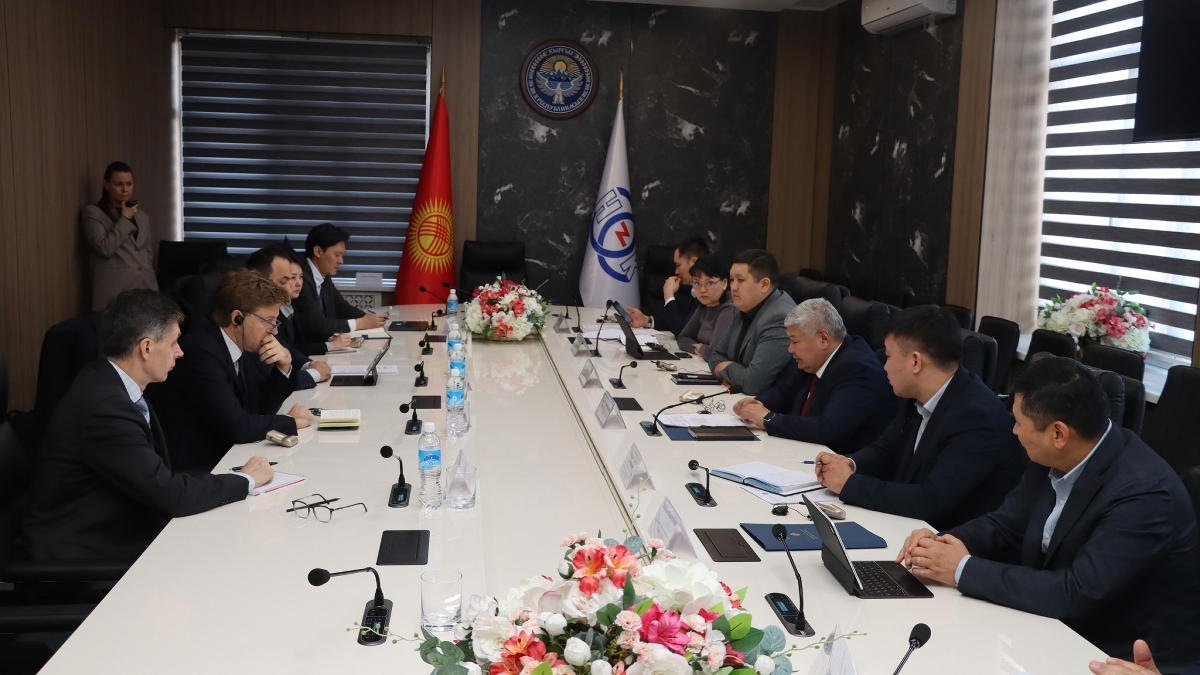
The World Bank intends to support the construction of the Kambar-Ata-1 Hydropower Plant, the largest infrastructure project in Kyrgyzstan, which is expected to alter the water and energy balance across Central Asia. Hugh Riddell, the World Bank Country Manager for Kyrgyzstan, confirmed the financial institution’s participation in drafting the intergovernmental agreement during a meeting with Taalaibek Ibraev, the Kyrgyz Minister of Energy.
The Kyrgyz energy sector has demonstrated recent stabilization, navigating the past autumn and winter period without major emergency power outages. This stability resulted from the scheduled modernization of generating equipment and an extensive reconstruction of the grid infrastructure. The government also outlined the parameters of its current tariff policy, a fundamental condition for attracting foreign investment to the sector.
The World Bank characterized the recent performance of the Ministry of Energy as successful. Detailed discussions regarding the technical, environmental, and financial parameters for the hydropower plant construction will proceed at the World Bank Spring Meetings in Washington. Representatives are expected to finalize the subsequent steps for project implementation, ensuring compliance with strict international environmental standards.
The extensive construction and modernization of existing energy facilities have revealed a shortage of specialized professionals. Systemic retraining programs are necessary to prepare personnel for the maintenance of the new infrastructure. Concurrently with the dam construction, the government plans to develop alternative energy generation by expanding its network of solar and wind power plants. Kyrgyzstan has officially proposed deepening its partnership with the World Bank in the renewable energy sector.
Officials additionally reviewed the timelines for other joint initiatives. These include a clean energy development program, an innovative financing project for the transition to sustainable energy – implemented with the Transformative Carbon Asset Facility – and technical assistance lines aimed at upgrading aging power grids. The primary focus over the coming months will remain on structuring the deal for the Kambar-Ata-1 Hydropower Plant, a facility designed to meet growing domestic energy demand and enhance the country’s export capabilities.