
Kazakhstan Launches Second Phase of Northern Aral Sea Restoration
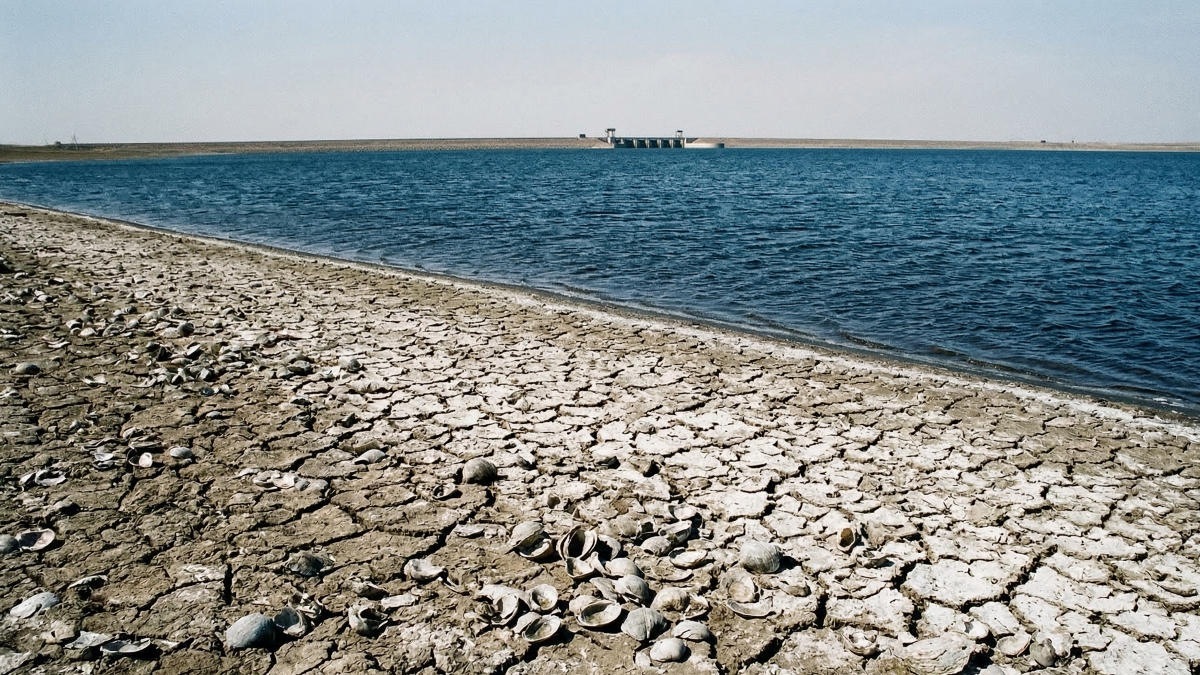
The Government of Kazakhstan, with support from the World Bank, is launching the second phase of an infrastructure project to restore the Northern Aral Sea. A central element of the program is the reconstruction of the Kokaral Dam, which will raise the water level to 44 meters based on the Baltic elevation system. Implementation of the project is scheduled for 2026–2029 and is currently undergoing the approval process by the governmental Coordinating Council for work with international financial organizations.
Engineering works aim to expand the surface area of the water body to nearly 4,000 square kilometers. The volume of water in the northern section of the sea is expected to reach 34 billion cubic meters. Reaching these targets depends directly on the modernization of water management infrastructure in the southern part of the country. Authorities are preparing more than 160 projects for the reconstruction and automation of irrigation systems within the Aral–Syr Darya basin in the Turkestan and Kyzylorda regions. The transition to modern irrigation technologies is designed to drastically reduce water loss in the agricultural sector, with the conserved volumes directed toward replenishing the sea.
This technical phase was preceded by a series of diplomatic agreements regulating water distribution across the region. The coordination of reservoir operations on the transboundary Syr Darya river has facilitated the diversion of over six billion cubic meters of water into the Northern Aral over the past three years. At the end of 2022, the volume of the Kazakh section of the sea stood at 18.9 billion cubic meters, and by 2025, this figure had exceeded 23 billion cubic meters.
The foundation for stabilizing the water inflow was an agreement signed last year between Kazakhstan and Uzbekistan concerning the joint management of transboundary rivers. For the countries of Central Asia, preserving and restoring the Northern Aral represents a critical ecological, social, and strategic priority. The ongoing replenishment of the water body is intended to secure these gains and improve both the climatic and economic conditions in the surrounding territories.