
Hydropower Expansion Threatens Balkhash-Alakol Ecosystems
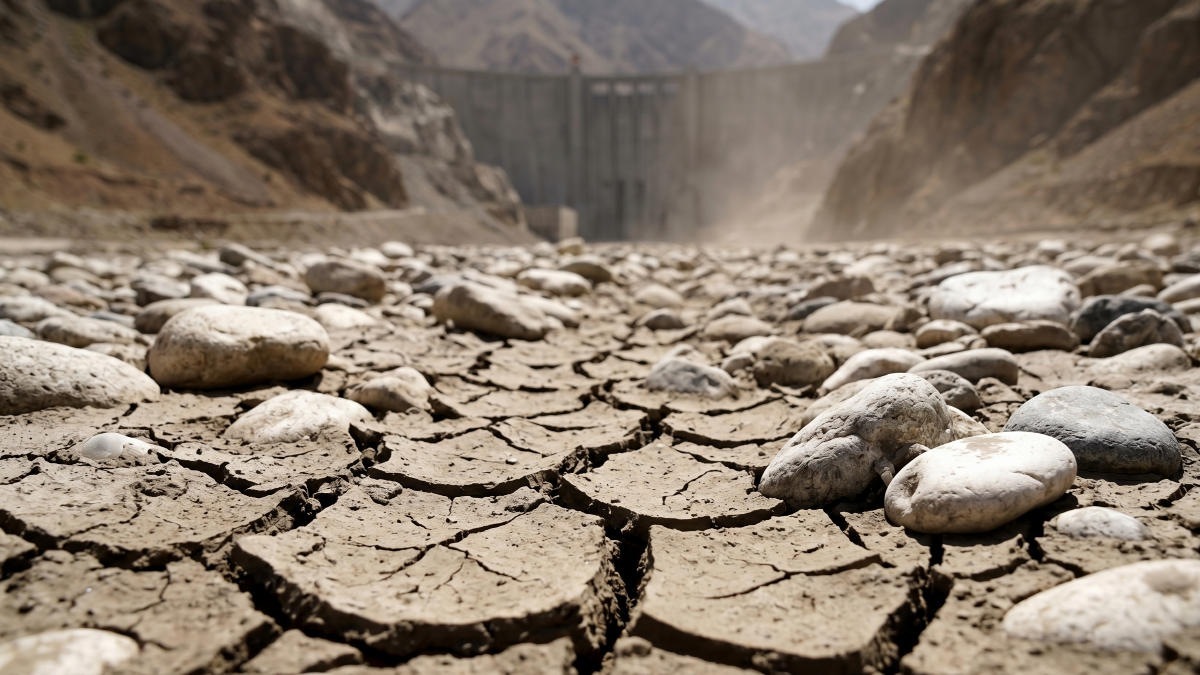
An ecological crisis is unfolding in the Balkhash and Alakol basin as mountain rivers in Kazakhstan undergo rapid dam construction. In 2000, fewer than ten hydroelectric power stations operated on seven rivers in the basin. By 2025, fifty facilities have been built or are under construction, with another forty-five submitted for consideration. This development affects almost all mountain rivers in the region.
The Balkhash-Alakol basin is one of the few areas in Central Asia that has retained comprehensive freshwater biodiversity until recently. The region is home to endemic species found nowhere else on Earth, including the Balkhash marinka, Balkhash perch, Semirechensk salamander, and ship sturgeon. The floodplain tugay – forests and dense shrublands of river valleys – are considered the richest floodplain ecosystems in Central Asia. These specific areas have now become primary targets for hydroelectric expansion.
Each new dam initiates a chain of irreversible environmental changes. The river is cut into isolated fragments – fish lose access to spawning grounds, populations are fragmented, and their vulnerability to adverse impacts increases. As the number and proximity of dams increase, the ecosystem’s capacity for self-recovery diminishes – particularly under changing climate conditions when this capacity is vital.
The nature of the water flow is also undergoing alteration. Natural spring floods, which have sustained floodplain forests and created spawning conditions for fish for millennia, are being truncated by reservoirs. The history of the Kapshagay Hydroelectric Power Plant on the Ili River illustrates the long-term impact of such infrastructure. The reservoir was only partially filled, as further filling threatened the degradation of Lake Balkhash itself. Currently, approximately 0.8 cubic kilometers of water evaporates from the surface of this reservoir annually, further reducing the declining inflow into Lake Balkhash. Discussions are underway regarding the construction of the Kerbulak Hydroelectric Power Plant to act as a counter-regulator – a facility designed to smooth out peak discharges from Kapshagay. The project is included in the Kazakhstan Ministry of Energy’s sectoral plan through 2035. Its implementation risks flooding the Kerbulak Canyon – a habitat for rare birds, spawning routes for the ship sturgeon, a Buddhist sanctuary, and a tourist site. Proceeding without state ecological expertise and public oversight poses risks to regional biodiversity.
The trajectory of the Kora Gorge in the Dzungarian Alatau – one of Kazakhstan’s prominent mountain canyons featuring the country’s highest waterfall – provides a clear indicator of these changes. In 2013, the location was a major regional tourist destination. By 2017, the HPP-1 and HPP-2 hydroelectric plants began operations there. A new Kora HPP-2 is scheduled for commissioning in 2025, and a third phase is in the planning stages. The unique landscape is being converted into a cascade of dammed hydroelectric plants – a process resulting in irreversible physical alteration.
Mountain river valleys also serve as habitats for the snow leopard, Tien Shan brown bear, Eurasian lynx, and Semirechensk salamander. Petroglyphs and sacred sites have coexisted with these rivers for millennia. This represents non-renewable natural and cultural capital, which stands in contrast to potential ecotourism revenues and is considered disproportionate to the unstable and economically debatable energy output of small hydroelectric plants.
At the Regional Environmental Summit in Astana, the Rivers without Boundaries international coalition proposed granting the status of specially protected natural areas to the last free-flowing rivers of the Balkhash-Alakol basin. Plans for developing water and energy infrastructure require adjustments to minimize the fragmentation of the river network. Ecological flow standards must be established to preserve tugay ecosystems and local fish populations. Furthermore, the assessments provided by the International Union for Conservation of Nature and the Red Data Book of Kazakhstan regarding local fish species require updating, as they do not currently reflect emerging infrastructural threats.
A fundamental contradiction exists in the current approach to the energy transition: while hydropower is presented as a green alternative to coal and gas, the destruction of river ecosystems constitutes significant climate damage. This damage is measured not in tons of carbon dioxide, but in endangered species and degraded landscapes. Under Kazakhstan’s existing climate policy, this specific environmental cost remains unaccounted for.