
Kyrgyzstan Pushes to Accelerate Kambar-Ata-1 Dam Construction
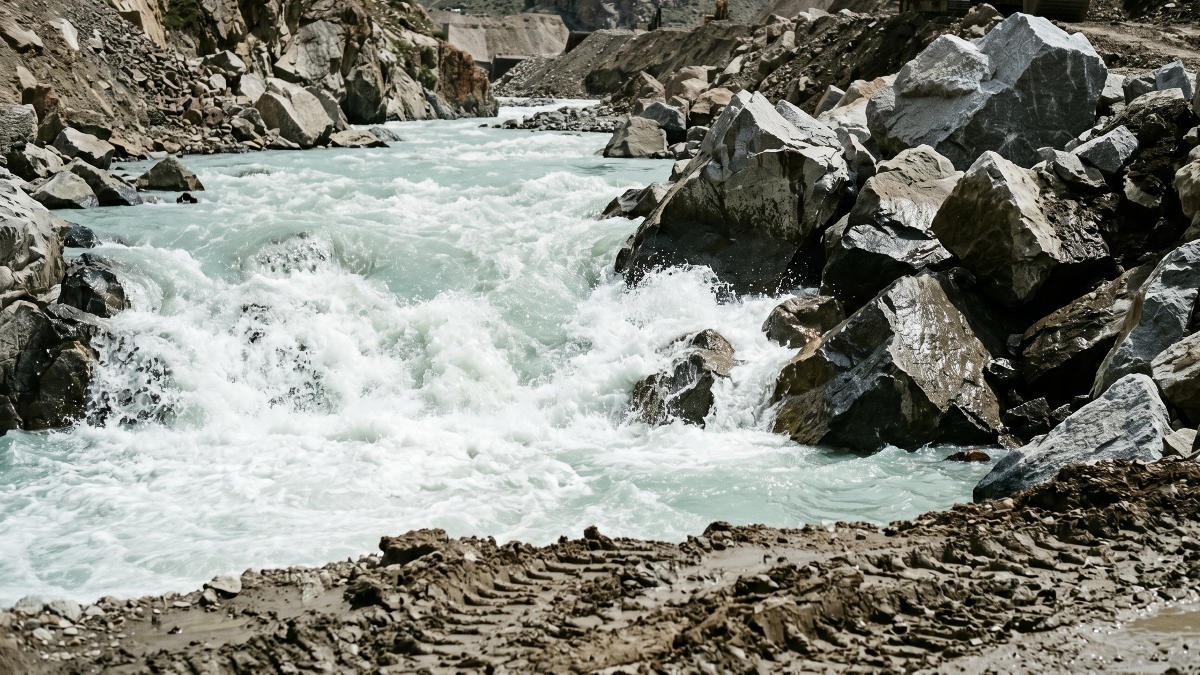
The Ministry of Energy of Kyrgyzstan is pushing to accelerate the preparatory phase for the construction of the Kambar-Ata-1 Hydropower Plant on the Naryn River. Energy Minister Taalaibek Ibraev stated that financing must be secured and river diversion works initiated before Bishkek, Astana, and Tashkent sign a final interstate agreement on the joint development of the facility. The water diversion process will take approximately one and a half years, and waiting for the completion of all diplomatic procedures would result in an inefficient loss of time.
The technological cycle for building large hydroelectric power stations requires redirecting the water flow before builders can begin pouring the main body of the dam. The Kambar-Ata-1 project involves the creation of a massive structure measuring 260 meters in height and approximately 700 meters in width. Early financing and riverbed diversion operations must commence immediately to prevent delays, independent of the formalization of the final agreement. To launch this process ahead of schedule, Bishkek has submitted an official request to the World Bank leadership. This initiative will first be evaluated by a specialized expert group, after which the board of directors of the financial institution will issue a final decision.
The ministry justifies this accelerated timeline with the high level of readiness of the supporting infrastructure. Preliminary construction works at the site are 90–95 percent complete. By mid-May, contractors plan to commission a 400-meter bridge across the Naryn River, which will provide heavy machinery with direct access to the future dam site on the right bank. In addition, concrete access roads connecting to the Bishkek–Osh highway are virtually finished, drilling operations in the transport tunnels have concluded, 110 kV power transmission lines are fully installed, and a residential camp for personnel has been constructed.
The financial model for the construction relies on support from major international institutions. The World Bank previously allocated over 18 million dollars to update the feasibility study and conduct environmental and social assessments for the project. The bank is expected to provide an additional 1.5 billion dollars directly for the primary construction works. Concurrently, a coalition of nine global donors has expressed readiness to finance the hydroelectric plant development with a total commitment of 2.5 billion dollars. Engineers have finalized the dam design, and the initiation of earthworks in the riverbed will mark the functional beginning of the main construction phase for the largest infrastructure facility in the region.