
Critical Water and Energy Imbalance Escalates in the Hari Rud Basin
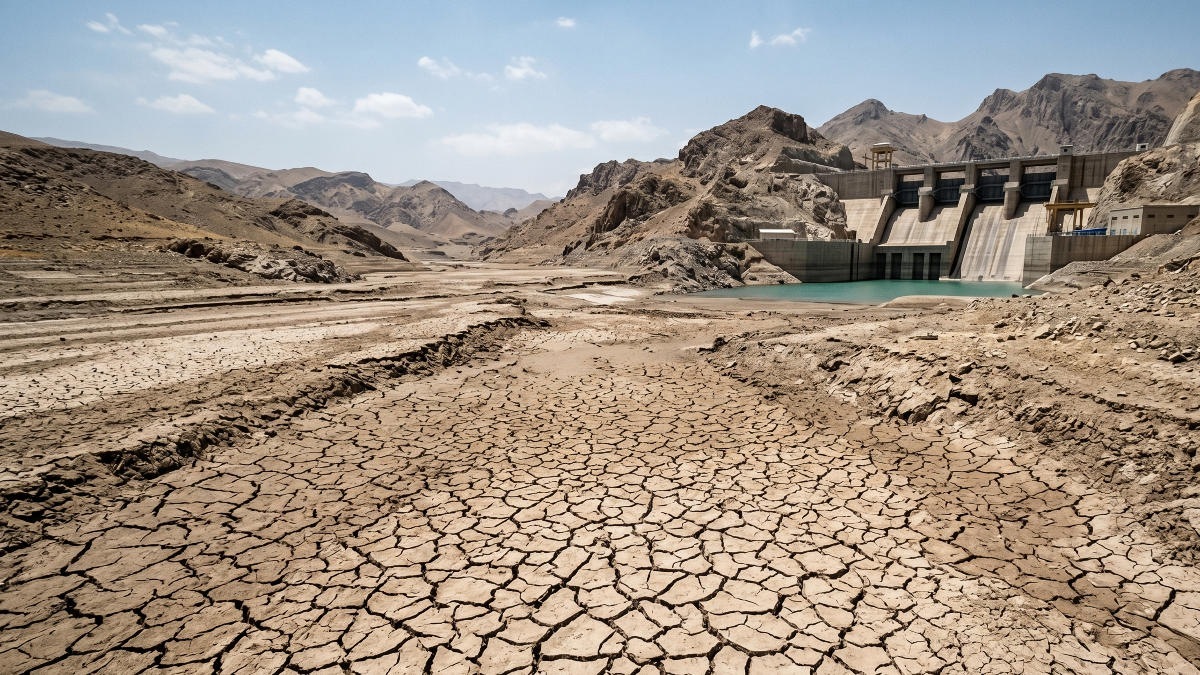
The transboundary Hari Rud river basin, flowing through Afghanistan, Iran, and Turkmenistan, has become a zone of critical resource imbalance. An analysis of water, energy, and food distribution over the past decade reveals growing economic and ecological asymmetry between the states. Afghanistan is implementing a water control policy, increasing upstream flow retention to develop its own infrastructure, which directly reduces surface water delivery to eastern Iran. Amid climate change, this situation forces Iran to accelerate the depletion of underground aquifers, expending colossal volumes of fossil fuels to pump the resource.
The eastern provinces of Iran are experiencing an acute shortage of surface water. To maintain arable land and provide drinking water to large agglomerations, including Mashhad, the region annually extracts volumes that are one and a half times higher than the natural rate of reserve replenishment. The primary burden falls on underground sources, which cover nearly eighty percent of regional water consumption. The Iranian agricultural sector in this territory produces approximately three million tons of goods annually but achieves this through massive energy expenditures. The local energy system burns millions of liters of diesel and billions of cubic meters of gas to power water pumps, generating high carbon emissions.
In the Afghan part of the basin, encompassing the Herat and Ghor provinces, the hydrological and technological situation differs fundamentally. The territory possesses larger volumes of renewable water, relying in agriculture on surface runoff and traditional canal irrigation systems. A lack of mechanization and outdated infrastructure result in a food production volume that is nearly four times lower than Iranian figures. The energy sector of Afghanistan in this region is tied exclusively to hydropower generation, anchored by the Salma Dam. The generated capacity is insufficient to cover local demand, and technical losses in power grids reach forty-five percent, creating a strict dependence on external electricity supplies.
A water and energy interdependence has formed in the transboundary region, based on an unspoken exchange of resources. Iran generates electricity by burning hydrocarbons and exports a portion of its energy reserves to Afghanistan. Simultaneously, Iranian agriculture suffers losses due to the deficit of water that the neighboring state accumulates in its reservoirs. The launch of new hydro-engineering facilities by Kabul, particularly the Pashdan Dam currently under construction, will inevitably alter the flow regime of the Hari Rud. A further reduction in flow threatens the operation of the joint Iran-Turkmenistan Doosti Dam and the overall profitability of the agricultural sector on the Sarakhs plain.
Maintaining the current isolated model of water use carries long-term threats to the food security of both countries. The drop in groundwater levels in Iran will exponentially increase the energy costs for irrigation and accelerate the degradation of agricultural land. In Afghanistan, the preservation of archaic irrigation methods amid an energy deficit blocks crop yield growth. Preventing a large-scale resource crisis requires a transition to joint basin management based on compensatory economic mechanisms – for example, implementing the practice of expanded supplies of cheap Iranian electricity in exchange for fixed water release quotas from Afghan reservoirs.