
Krasnogorsk Hydrosystem Completion Delayed Amid Contractor Bankruptcy
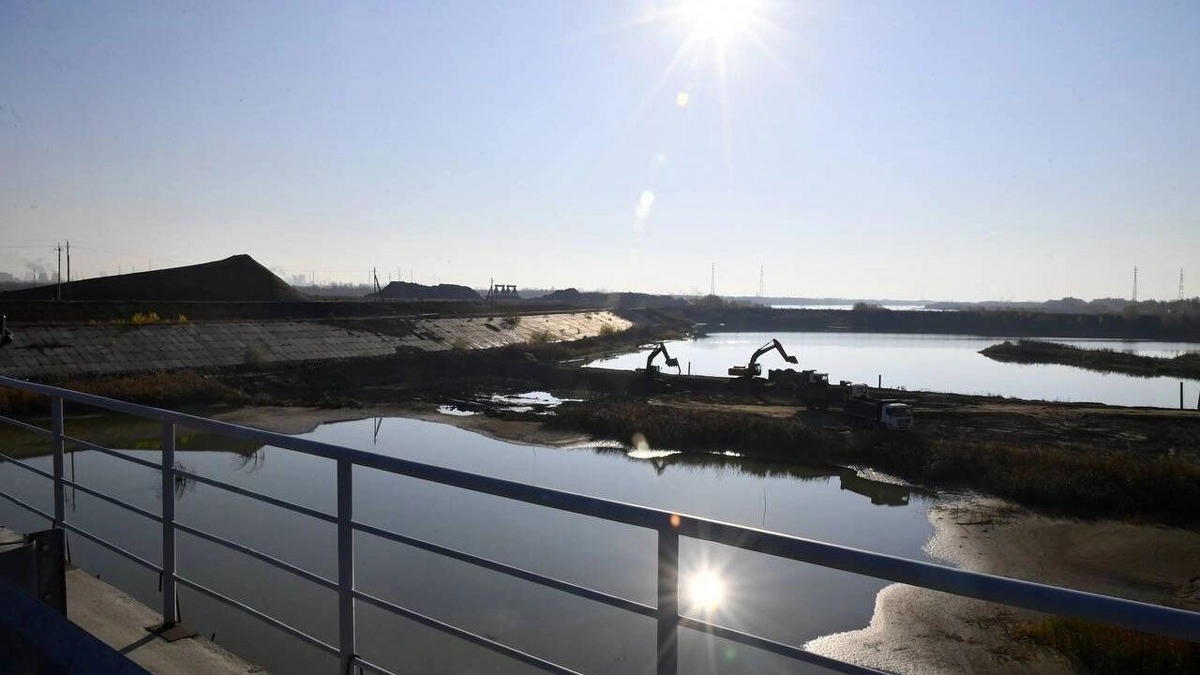
Construction of the Krasnogorsk hydrosystem in the Omsk region on the transboundary Irtysh River is experiencing significant delays and financial difficulties. The regional Ministry of Transport has attributed the latest postponements to shifting geological conditions that necessitated revisions to the project design. Meanwhile, the general contractor, Mezhregionstroy LLC, is undergoing bankruptcy proceedings, leaving only a skeleton crew on-site to maintain water drainage systems.
Initial work on the Krasnogorsk dam began in 2011. The facility was designed to regulate water levels in the Irtysh River, ensure year-round navigation, optimize water intake, and protect bridge infrastructure. Although originally scheduled for completion in 2016, the project was suspended in 2014. Construction only resumed in 2022 after Mezhregionstroy, a Moscow-based firm, secured a 4.6 billion ruble contract for the first phase, with a commitment to deliver the complex by 2025.
The project’s implementation has been hindered by the contractor’s financial instability. In April 2026, an insolvency case was opened against Mezhregionstroy, and the company was added to a registry of unscrupulous suppliers. By the spring of 2024, the site was reported to be only 20 percent complete, prompting investigations by the prosecutor’s office and official demands to rectify construction violations.
These developments have led to substantial adjustments in the contract’s terms. The total cost of the work has increased by 800 million rubles – to a total of 5.4 billion rubles – as officials cite the escalating price of construction materials. The operational deadline for the first stage of the Krasnogorsk hydrosystem has been pushed back repeatedly, first to late 2025 and subsequently – to November 2026. The Omsk Ministry of Transport explained that environmental conditions at the site changed during the prolonged suspension of work. This necessitated additional geological surveys and design modifications, which finally received state expert approval in May 2026. The updated project accounts for current soil conditions, filtration parameters, and the structural state of previously built components.
The situation is further complicated by significant wage arrears. At the end of 2025, approximately 150 workers were owed a total of 30 million rubles, leading to an investigation by the Investigative Committee and the labor inspectorate. The regional Ministry of Transport stated that the state customer has no outstanding debts to the contractor – placing the blame for the financial shortfall entirely on the company. While the Federal Agency for Water Resources maintains its intention to complete the project, the feasibility of meeting the November 2026 deadline remains uncertain without a potential change in contractor or further budget increases.