
Amu Darya River Faces Systematic Depletion and Ecosystem Degradation
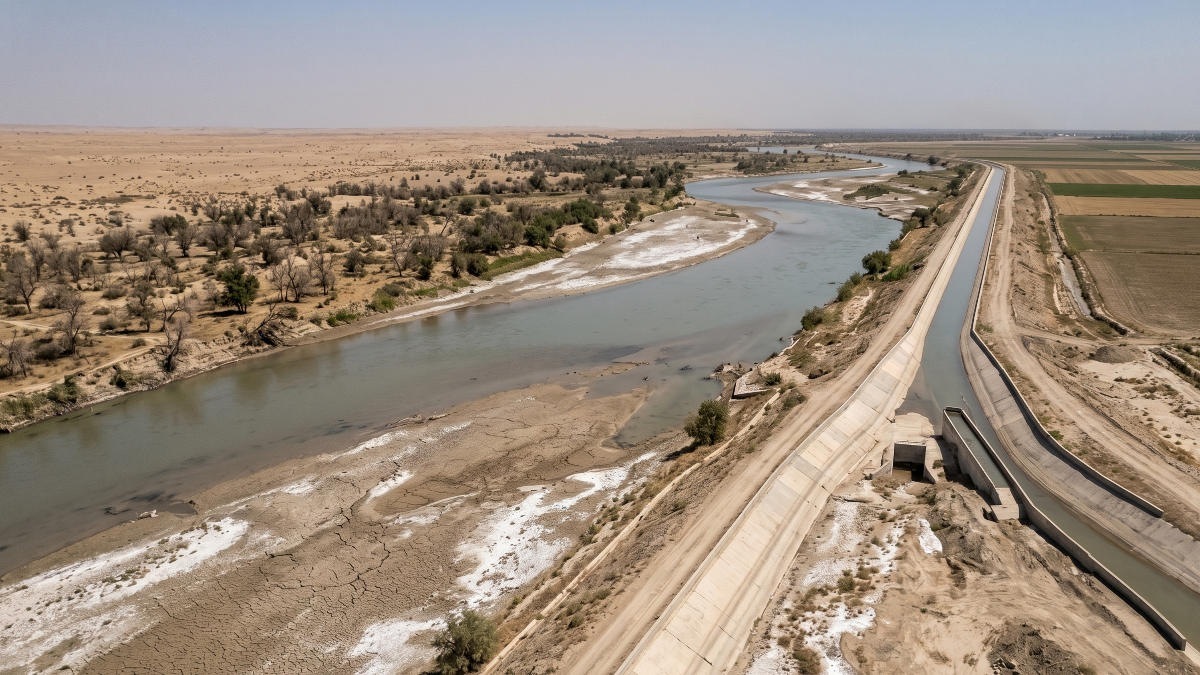
The Amu Darya, Central Asia’s largest waterway, is facing progressive depletion as climate change and intensive water use drive the systemic degradation of regional landscapes – from high-altitude glaciers to the dry bed of the Aral Sea. This decline is detailed in a new assessment of the basin’s ecosystems prepared for the basin dialogue by the Scientific–Information Center of the Interstate Commission for Water Coordination of Central Asia, with the support of the German Society for International Cooperation (GIZ). High-mountain ecosystems, which are critical for flow formation, have lost significant ice volumes in recent decades. In the Tajik portion of the basin, more than 1,000 of the 14,000 glaciers have already disappeared. At current rates of temperature increase, researchers project the loss of up to half the total glaciated area by mid-century, which would reduce overall river flow by approximately one-third compared to recent averages and jeopardize water security during the summer low-water period.
Hydrological observations over the last 30 years show that the average annual flow of the Amu Darya has decreased by nearly 15 percent. This reduction occurs alongside rising anthropogenic pressure, as approximately 90 percent of extracted water is currently diverted for irrigated agriculture. The regional water balance is further strained by the absence of Afghanistan from current water-sharing agreements. The operation of the Qosh Tepa canal is expected to increase Afghan water intake to 11 cubic kilometers per year, potentially consuming 18 percent of the available flow in the river’s middle reaches.
Massive water diversion and the operation of hydroelectric infrastructure are destabilizing the biodiversity of water-dependent territories. The lack of regular natural flooding has caused the desiccation of tugay forests, which serve as essential ecological corridors and habitats for rare fauna, including the Bukhara deer. In the lower reaches, water quality is declining due to high mineralization caused by the discharge of drainage water from agricultural lands. On the site of the former Aral Sea, the Aralkum Desert continues to expand, acting as a major source of salt and dust storms that accelerate land degradation across hundreds of kilometers.
To prevent irreversible damage, water management strategies must prioritize the strict maintenance of ecological flow – the minimum volume of water required to sustain natural systems. While legal frameworks for ecosystem protection are formally present in national legislations, these norms are frequently bypassed in favor of the economic priorities of the energy and agricultural sectors. Approved water volumes rarely reach the delta in full, and sanitary releases are typically managed on a residual basis.
Long-term economic stability in Central Asia is contingent upon the preservation of the Amu Darya’s natural hydrological regime. Experts from Tajikistan, Turkmenistan, and Uzbekistan, in collaboration with Rivers without Boundaries, conclude that regional security depends on a transition to integrated water resource management at the interstate level. This approach requires a transparent monitoring system, unified water quality assessment methods, and the legal codification of mandatory seasonal ecological releases from reservoirs. Joint environmental measures are now a fundamental requirement for the future security of the region.