
Central Asia Faces Growing Water Crisis Amid Glacier Loss and Population Rise
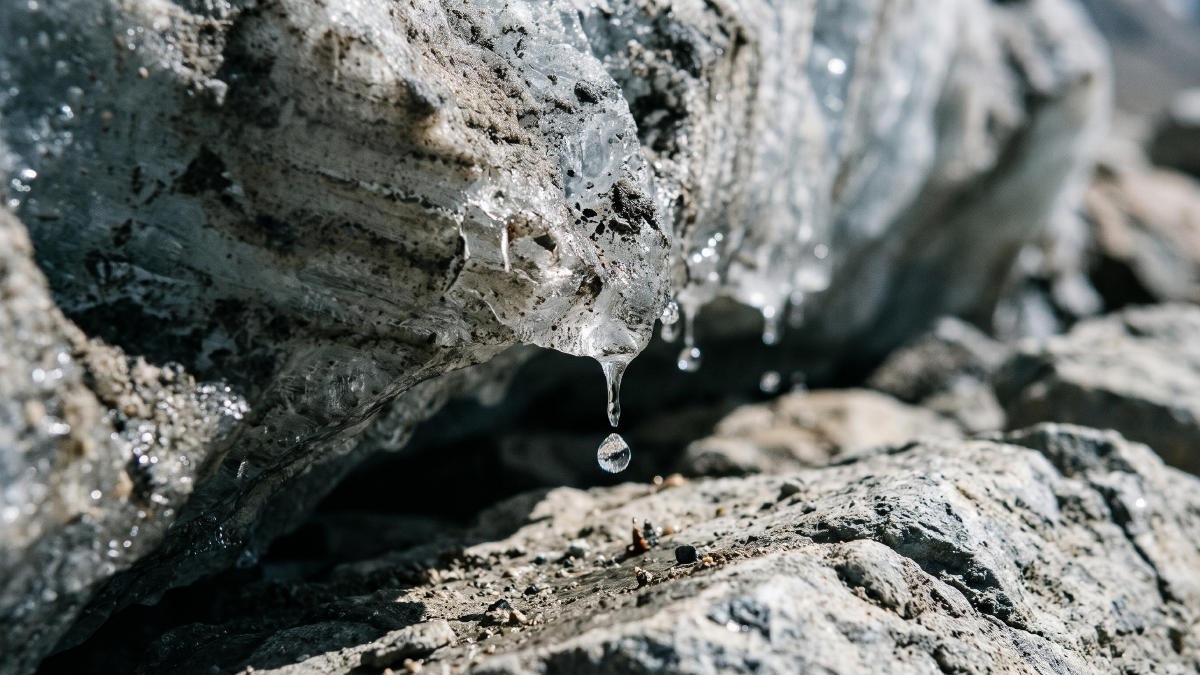
Glaciers in the Tian Shan mountains are projected to lose one–third of their mass by 2040, while the population of Central Asia is expected to grow by nearly 30 million people by mid–century. Although regional republics are constructing new power plants and canals, they must navigate the management of shared rivers amid diverging national interests and the emergence of Afghanistan as a significant water consumer. The efficacy of these infrastructure measures remains uncertain if the region faces several consecutive years of drought.
In late July 2026, water flow on a section of the Amu Darya exceeded forecasts by 304 million cubic meters. However, downstream Uzbekistan received 305 million cubic meters – or one–third – less than its established limit. Despite higher–than–expected volumes in the river, insufficient water reached downstream agricultural fields. International forums in Bishkek, including recent meetings in October 2026, have addressed these distribution disputes, with experts exploring water–energy cooperation to overcome existing disagreements between the nations.
The pressure on regional resources is mounting as the population of the five Central Asian republics has grown from approximately 56 million to over 84 million in twenty–five years. United Nations projections suggest the total could exceed 113 million by 2050. Agriculture remains the primary driver of demand, accounting for approximately 90% of freshwater withdrawals in the region. In Uzbekistan, which manages vast irrigated lands, the water deficit already exceeded 3 billion cubic meters before 2015. National development strategies indicate this shortfall could rise to 7 billion cubic meters by 2030 and reach 15 billion by mid–century.
Significant risks are concentrated in Uzbekistan, Turkmenistan, and southern Kazakhstan, particularly within the Aral Sea basin. These areas rely heavily on transboundary river flows and are increasingly vulnerable to climate change. Kyrgyzstan and Tajikistan, where much of the river flow originates, also face challenges as climate change makes water supplies less predictable. In these highland areas, droughts alternate with extreme flooding, and unstable flow rates complicate the operation of hydroelectric power plants.
The Amu Darya and Syr Darya rivers depend on snowmelt and glaciers from the Pamir and Tian Shan mountains. Recent research indicates that Tian Shan glaciers could lose a third of their mass by 2040. While accelerated melting may temporarily increase water flow by 15–24% until 2050, this process depletes long–term ice reserves. Eventually, rivers will lose vital summer runoff during the peak irrigation season. Furthermore, the degradation of natural ecosystems through deforestation and land cultivation reduces the landscape’s ability to retain moisture, worsening the impact of both droughts and floods.
A long–standing contradiction exists between upstream and downstream nations regarding seasonal water use. Kyrgyzstan and Tajikistan prioritize water for winter electricity generation, while Uzbekistan, Turkmenistan, and southern Kazakhstan require summer releases for irrigation. The Soviet–era integrated management system has struggled to adapt to the independent interests of these nations since the 1990s. Successive dry years could exacerbate tensions, potentially leading to significant economic losses and social instability in the agricultural sector.
Regional states are currently pursuing large–scale infrastructure projects to address these issues. Kyrgyzstan, Kazakhstan, and Uzbekistan are planning the 1,860 MW Kambarata–1 hydropower plant on the Naryn River, which would allow downstream neighbors to participate in management decisions. Tajikistan is continuing the construction of the 3,780 MW Rogun Dam with World Bank support to reduce winter energy deficits. Meanwhile, Uzbekistan is modernizing its irrigation infrastructure, aiming to concrete 1,300 km of canals to save 500 million cubic meters of water. Turkmenistan and Kazakhstan are also upgrading facilities, with water levels in the North Aral Sea reaching 23.4 billion cubic meters by August 2026.
Afghanistan is emerging as a major stakeholder by constructing the Qosh Tepa canal to irrigate its northern provinces. Unlike hydropower, which returns most water to the river, irrigation consumes water through evaporation and plant uptake, potentially reducing the volume available to downstream neighbors. Afghanistan currently lacks a formal agreement with the five post–Soviet republics for shared water management, creating new risks for flow stability in the Amu Darya basin. Organizations like Rivers without Boundaries emphasize that existing agreements are often ill–equipped for prolonged droughts and the increasing needs of all basin states.
Experts argue that infrastructure alone cannot solve the crisis and call for a fundamental shift in water management. This involves moving away from increasing withdrawals and high–water–use crops such as cotton and rice. A new water paradigm would consider soil moisture, vegetation, and groundwater rather than focusing solely on river levels. Current agreements often prioritize distribution among consumers over the preservation of the ecosystems – such as forests and floodplains – that ensure the sustainability of the water cycle.
While the Interstate Commission for Water Coordination continues to set seasonal limits, the system faces severe tests from climate change. The World Bank estimates that climate factors could drive between 1.7 and 2.4 million internal migrants within Central Asia by 2050. Collaborative research and the restoration of natural ecosystems are seen as more effective than new dams, which can increase evaporation and disrupt natural cycles. The central challenge for the coming decades remains the equitable distribution of water among six nations, including Afghanistan, while adapting regional economies to a changing environment.