
Tajikistan’s Rogun Dam Project Secures Significant International Funding
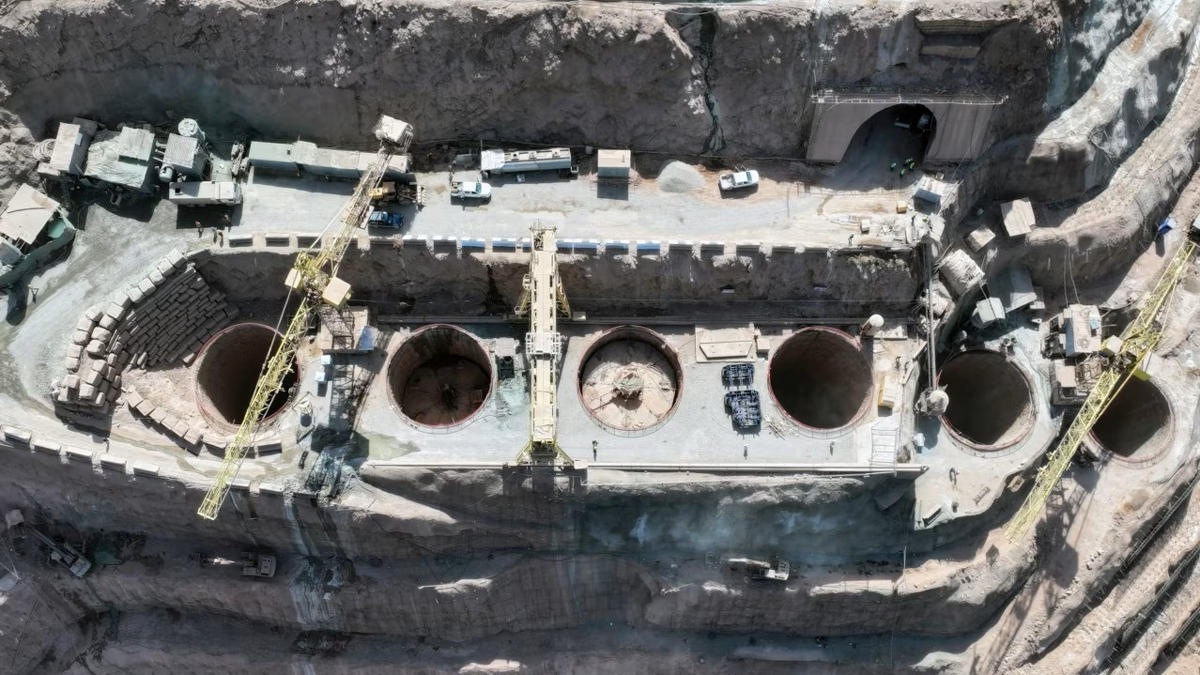
The Rogun Hydropower Plant (HPP) project in Tajikistan has entered a new phase of development following significant financial commitments from international lenders. This month, the Tajik government ratified a $300 million grant from the World Bank, while the Asian Development Bank is considering an additional $500 million in funding. These investments have provided the project with substantial political and financial momentum, making its completion more probable than at any point in its history.
The Rogun dam is projected to reach a height of 335 meters – surpassing the height of the Eiffel Tower – and is situated in the Vakhsh River gorge roughly 100 kilometers east of Dushanbe. Once fully operational, the facility is expected to double Tajikistan’s total electricity generation capacity. This increase would effectively end the country’s persistent winter power shortages and allow for significant energy exports to neighboring regions.
However, the development involves the creation of a reservoir that will inundate upstream lands, necessitating the displacement of over 50,000 residents. Many of those facing relocation report that compensation for their homes and property has been devalued by inflation. While the government has provided new land, the rising costs of construction materials have made it difficult for families to rebuild. Reports from resettlement areas such as Roguniyon are varied; some residents have expressed satisfaction with new roads and electricity, while others indicate that promised agricultural land has not been delivered.
Technical debates continue regarding the scale of the project. Critics suggest that reducing the dam’s height by 35 meters could have prevented the displacement of approximately 32,000 people. Eugene Simonov, coordinator of the Rivers without Boundaries environmental coalition, suggests the record-breaking height is largely a matter of national prestige. In contrast, official reports from Dushanbe and the World Bank assert that the 335–meter design is necessary to maximize economic and environmental benefits.
The project’s history dates back to 1976, but construction was halted by the collapse of the Soviet Union and the subsequent Tajik Civil War. Independent Tajikistan’s efforts to restart the work were initially met with opposition from downstream Uzbekistan, which cited concerns over water security and the potential for political leverage. Since 2016, regional tensions have eased, and Uzbekistan has moved to support the project provided that water management guarantees are respected.
Construction remains technically demanding due to the site’s unique geology. A thick salt deposit located upstream of the dam requires careful management to prevent dissolution, and the area’s high seismicity influenced the choice of an embankment dam design. This structure utilizes a flexible clay core to better withstand potential earthquakes compared to rigid concrete alternatives. Furthermore, extensive renovation of Soviet-era infrastructure is required to meet modern safety requirements. The Italian infrastructure giant Webuild is currently involved in the project, managing the rehabilitation of existing components.
Current progress includes two operational turbines, with a third of the six units scheduled for launch in 2027. Completing the project by the 2035 target date will require an additional $5.8 billion, primarily funded through the state budget. Although 145 meters of the dam height remain to be built, the project is currently undergoing its most active period of construction to date.