
Kazakhstan Plans Hydropower Expansion Amid Environmental Concerns
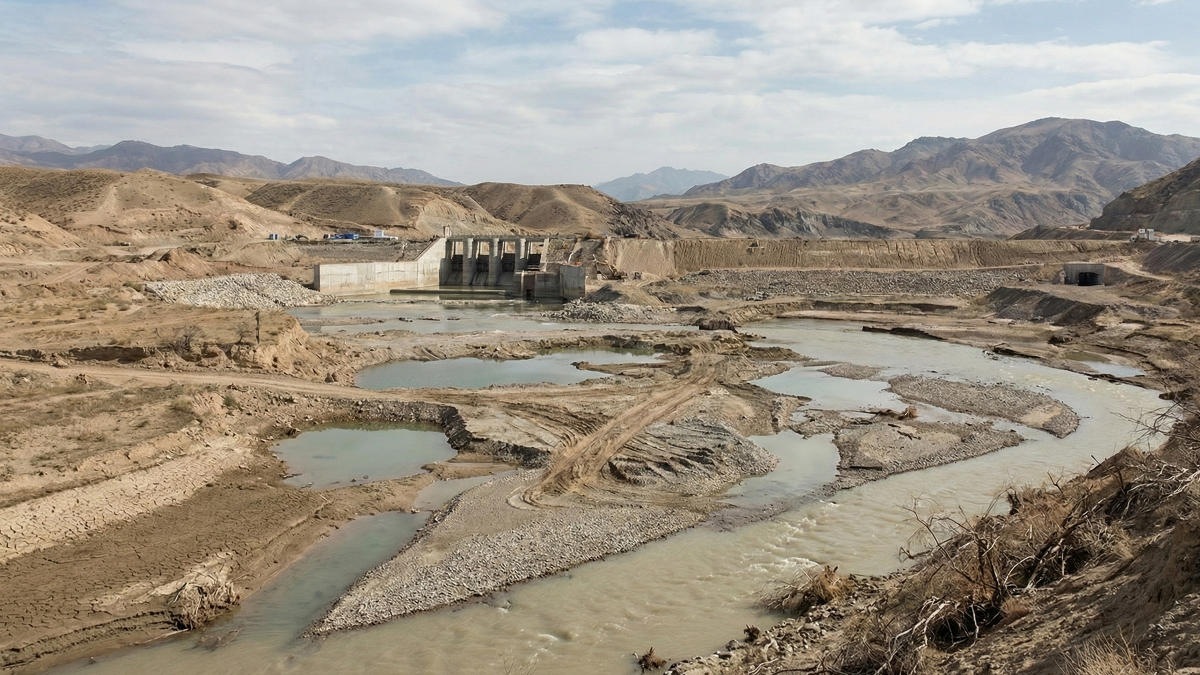
Kazakhstan is set to commission new hydropower plants with a total capacity of 660 megawatts by 2030, according to the country’s Ministry of Energy. The plan is part of a national strategy to significantly increase hydropower generation.
Currently, there are 43 operational hydropower facilities in Kazakhstan, with a combined installed capacity of 313 megawatts. Last year, renewable energy sources generated 8.621 billion kilowatt–hours, of which 1.196 billion kilowatt–hours came from small and medium hydropower plants. The recent commissioning of the 26-megawatt Korynskaya HPP-2 in the Zhetysu region adds to the country’s existing capacity.
To facilitate this expansion, Kazakhstan’s Ministry of Energy uses auctions to attract investment in renewable energy. In 2024, 500 megawatts of capacity for the construction of new hydropower plants were offered at these auctions. However, environmental criteria are not a factor in the allocation of construction sites, which has raised concerns among conservation organizations.
The development of new hydropower plants contributes to the fragmentation of free-flowing rivers–among the most vulnerable ecosystems globally. Dams alter natural water regimes, create barriers to fish migration, and modify the physical structure of riverbeds. For many species specifically adapted to life in flowing water, these changes are critical.
The degradation of river ecosystems has consequences beyond the loss of biodiversity. Water quality is affected, fish spawning grounds are diminished, and aquatic food chains are disrupted. In the long term, these effects can result in the decline of entire populations of aquatic organisms and the other species that depend on them.
Environmental specialists are calling for conservation criteria to be integrated into the auction process. They propose making a preliminary environmental assessment a mandatory condition for bidding on hydropower construction projects. This approach could create a framework for balancing hydropower development with the preservation of river ecosystems.