
Kazakhstan Overhauls Southern Water Infrastructure to Combat Deficits
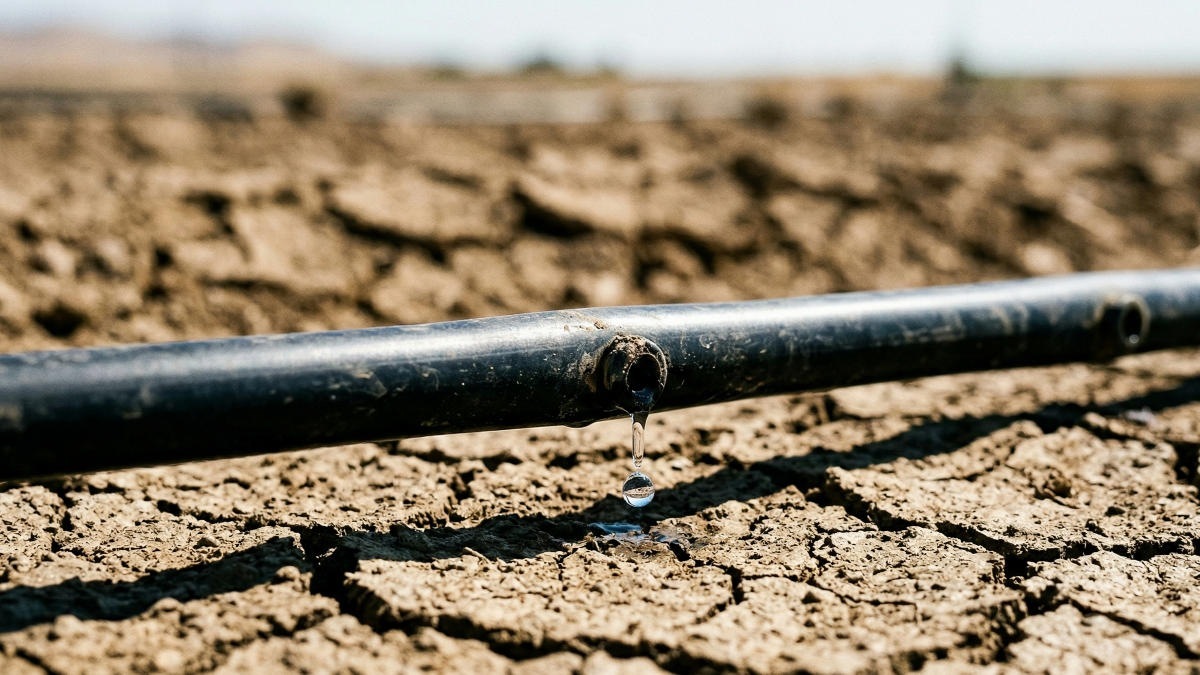
Amid climate change and persistent water deficits in southern Kazakhstan, national authorities are overhauling the water management system. A restructuring of hydrotechnical infrastructure is underway in the Turkestan region to reduce resource losses during the upcoming agricultural season. The Ministry of Water Resources and Irrigation of Kazakhstan has introduced an updated strategy to prepare for the vegetation period.
Under a comprehensive plan running until 2028, four new reservoirs will be constructed in the region. Building operations at the Baydibek-ata and Karakuyis sites are nearing completion, while design documentation is currently being prepared for the Ikan-su and Boraldai dams. In the near future, three existing hydroelectric complexes will undergo reconstruction, fifteen municipal reservoirs will receive major repairs, and forty structural facilities will be subject to multifactor inspections.
The deterioration of distribution networks is being addressed through the concreting and automation of channel beds. The finalized repair of four canals has stabilized the water supply across an area exceeding 24,000 hectares. Since the beginning of the year, modernization efforts have commenced on 115 watercourses in the southern regions of the country, with digital water flow metering being implemented at 103 facilities.
To incentivize resource conservation, the government increased the reimbursement rate for farmers drilling wells and purchasing drip irrigation systems from 50 to 80 percent. This financial support resulted in a threefold increase in areas utilizing water-saving technologies – the national total reached 543,000 hectares. In the Turkestan region, transitioning 82,000 hectares to modern irrigation systems preserved 124.5 million cubic meters of water.
To maintain network operability, the legal status of irrigation condominiums has been officially established – this institutional framework will redistribute the responsibility for the physical maintenance of collector-drainage systems directly among the end users.
Concurrently, the Ministry of Water Resources and Irrigation and the Prosecutor General’s Office have launched a campaign to eliminate the black market for water. The approved roadmap mandates the creation of spatial maps detailing illegal water extraction zones, a comprehensive audit of existing water resources, and an anti-corruption investigation into the expenditure of funds allocated to the water sector in previous years.