
Kyrgyzstan Seeks Private Investors for 300 MW Renewable Energy Projects
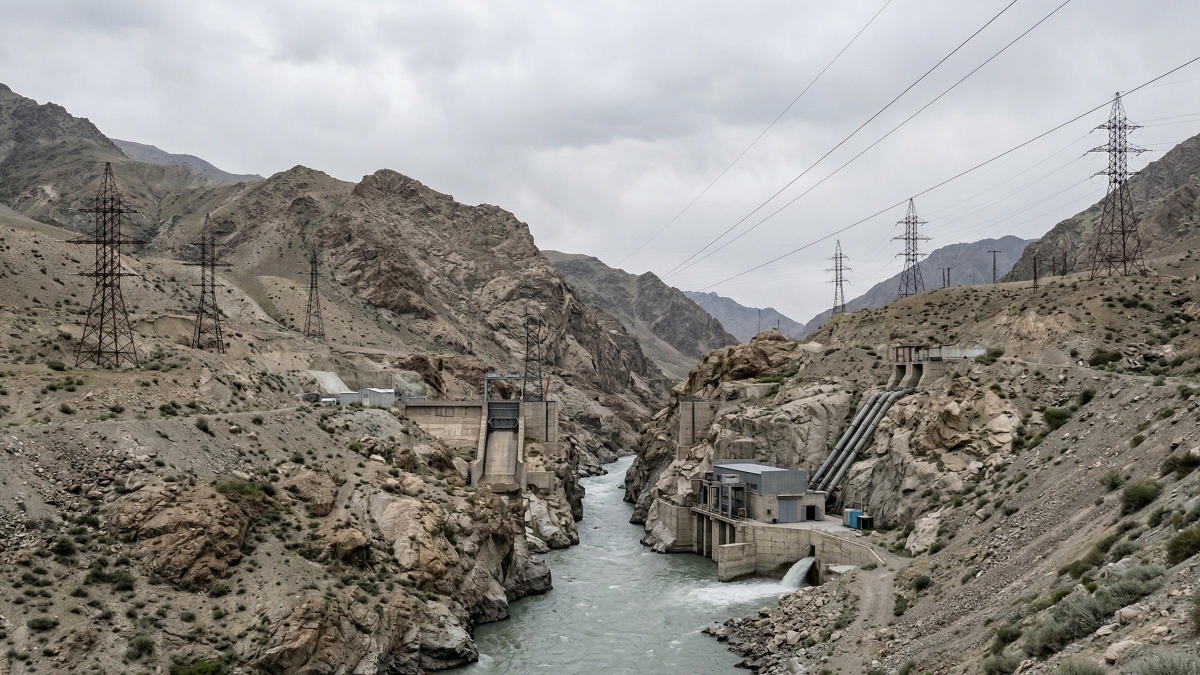
Kyrgyzstan is seeking private capital to develop its energy sector by introducing a new portfolio of public-private partnership projects. At the Hydropower Central Asia and Caspian international congress in Bishkek, the national Center for Public-Private Partnership presented investors with a block of renewable energy and hydropower facilities with a combined capacity of 300 megawatts. The government is transitioning away from direct budget financing – instead offering a risk-sharing model to private enterprises.
Small and medium-sized hydropower plants make up a significant portion of the proposed portfolio. The most capital-intensive project is the Chatkal hydropower cascade, with construction costs estimated at $200 million. Another key asset is the Papan hydropower plant, which will be built on the existing dam of the Papan reservoir for $27 million. The investment package also includes the pilot Mayluu-Suu hydropower plant on the river of the same name, as well as the Aral hydropower plant in the Issyk-Kul region.
Beyond water resources, the state agency is developing solar and wind generation projects in collaboration with international financial institutions. The International Finance Corporation is assisting with the Solar 2 initiative, which involves the construction of solar parks in the Batken and Talas regions. An additional solar facility with a capacity of up to 150 megawatts will be built in the Naryn region. Parallel preparations are underway to launch wind farms with capacities of 75–150 megawatts. The Asian Development Bank and the Eurasian Development Bank are acting as partners for these wind energy developments.
Return on investment will be guaranteed through long-term power purchase agreements. Under these contracts, the state commits to purchasing the generated electricity for a period of 25 years. The specific tariff rates will be determined through a competitive auction process. This mechanism reduces the final cost of electricity for the national grid while providing private businesses with a clear and predictable financial model for recouping their capital expenditures.