
Massive Power Failure Disrupts Unified Central Asian Energy Grid
A massive failure in the Central Asian unified power grid on August 14, 2026, left millions without electricity across Kazakhstan, Kyrgyzstan, Tajikistan, and Uzbekistan. The cascading outage fragmented the regional network into isolated segments. System operators in Astana and Bishkek currently offer differing accounts regarding the chronology of events that triggered the technical failure.
According to the Kazakhstan Electricity Grid Operating Company (KEGOC), the incident began at 14:37 with the emergency shutdown of two hydro-generators, totaling 600 MW, at the Toktogul Hydroelectric Power Plant (HPP) in Kyrgyzstan. This abrupt power surge overloaded the North–East–South transit corridor. Emergency automation systems disconnected 500 kV high-voltage lines, separating southern Kazakhstan from the rest of the country and the unified Central Asian power system.
The power systems of the four nations operate in parallel as an integrated network. While this continuous exchange allows for load balancing, it leaves the infrastructure vulnerable to major disruptions. When the unified system disintegrates into isolated parts, frequency and voltage fluctuate sharply. To prevent total equipment failure, automated systems forcibly disconnect consumers – a protective mechanism that was activated across the neighboring republics.
Tajikistan’s energy stability was compromised by the regional network architecture. At approximately 15:15 local time, automated systems cut power to consumers to maintain the stability of the remaining system. Outages occurred almost simultaneously across a dozen locations, including Dushanbe, Khujand, Kulob, Vahdat, Norak, Hisor, Shahrinav, Rogun, and the Bobojon Gafurov District. Data from Cloudflare Radar recorded a 45 percent drop in internet traffic within the country.
The Ministry of Energy and Water Resources of Tajikistan established an interdepartmental commission to investigate the matter. The ministry categorically denied early rumors of an accident at the Nurek HPP, the nation’s largest power station, characterizing the incident as a regional emergency. Officials in Dushanbe stopped short of directly blaming the turbine shutdowns in the neighboring country, instead placing repair crews on high alert.
Power restrictions in Kazakhstan exceeded 2,800 MW, affecting the Almaty, Jambyl, Turkistan, Kyzylorda, and Jetisu regions. In Almaty, the metro system halted, traffic lights failed, and communication networks experienced disruptions. Simultaneously, voltage was lost in Bishkek and southern Uzbekistan. The Kyrgyz Ministry of Energy and the National Electric Grid of Kyrgyzstan reported a different version of events, stating that at 15:34, an external disconnection of a high-voltage line occurred on Kazakh territory. Initial statements from Bishkek did not mention the shutdown of units at Toktogul HPP, citing the need for further investigation.
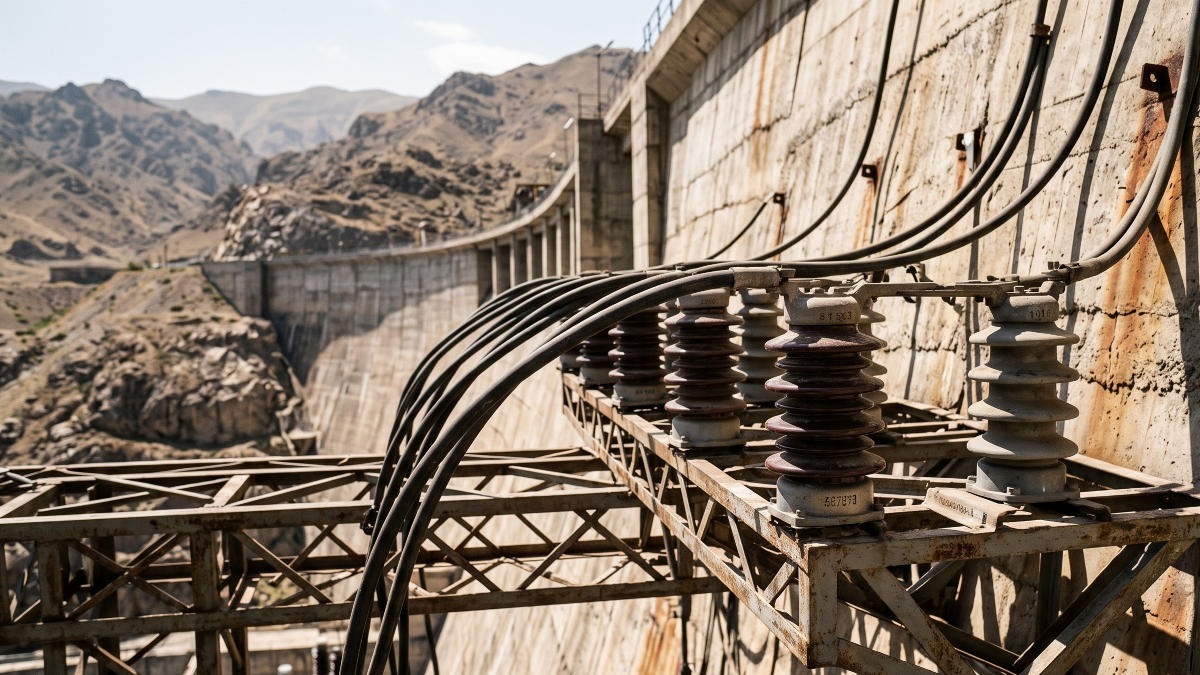
Located on the Naryn River, the Toktogul HPP is the largest hydroelectric plant in Kyrgyzstan, generating approximately 40 percent of the country’s electricity and serving as a balancing hub for neighboring states. The facility completed a modernization project involving French specialists in late 2025. The replacement of four hydroelectric units increased the plant’s capacity to 1,440 MW and introduced advanced automated control systems.
Dispatchers restored power supplies within a short timeframe. By 14:47, some restrictions in central Kazakhstan were lifted. Voltage returned to Almaty at 16:12, and by 16:26, the republics resumed synchronous operation of the unified energy ring. KEGOC reported full restoration of service to all consumers two hours after the failure began. The Kyrgyz power system returned to normal operation by that evening. Special interstate commissions are currently determining the exact causes of the incident.