
Kyrgyzstan Denies Responsibility for Major Central Asian Power Outage
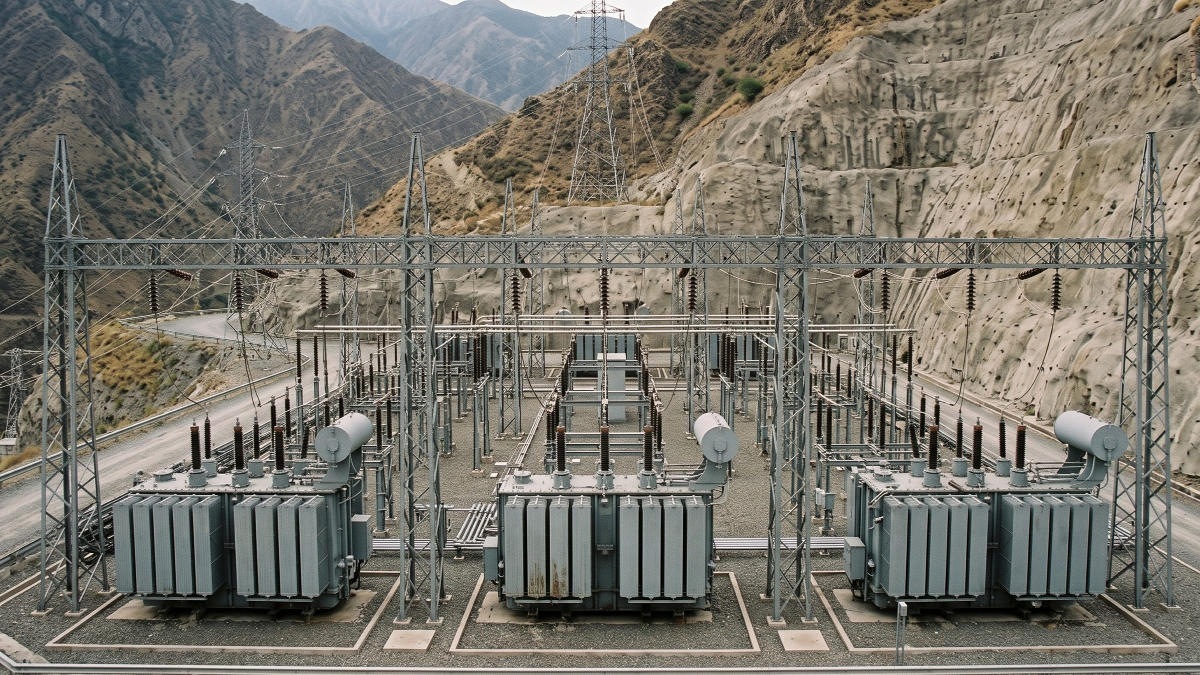
The Ministry of Energy of Kyrgyzstan has denied responsibility for a large-scale power outage that left millions of residents across Central Asia without electricity on August 14, 2026. The ministry is disputing claims from neighboring states that a failure at the Toktogul Hydroelectric Power Plant (HPP) triggered the cascading blackout. Authorities in Bishkek maintain that the responsibility for the grid failures lies with the internal protection mechanisms of the affected countries.
The Kazakhstan Electricity Grid Operating Company (KEGOC) previously reported that the incident began with the shutdown of two hydraulic units at the Kyrgyz station, totaling 600 MW of capacity. This sudden drop reportedly overloaded Kazakhstan’s North – East – South high-voltage transit line. Emergency automation systems were subsequently triggered, causing southern Kazakhstan to disconnect from the Unified Energy System of Central Asia, leading to disruptions across cities in Uzbekistan and Tajikistan.
While Kyrgyz officials acknowledge a brief stoppage of units that altered power flows within the regional energy ring, they emphasize that this local disturbance should not be equated with the resulting regional blackout. The ministry argues that automation systems in neighboring countries are designed to ensure stable operation in island mode even during frequency drops. Consequently, the causes of the mass outages are attributed to the performance of foreign infrastructure.
Energy officials in Kyrgyzstan have provided a timeline of the restoration process to support their position. According to their data, grid frequency was returned to the standard 50 Hz shortly after the power ring collapsed. The complete blackout of the Almaty energy hub occurred during the system stabilization phase, at which point the Kyrgyz grid had already begun exporting approximately 250 MW of power to assist neighboring networks.
The Toktogul HPP on the Naryn River is the largest hydroelectric facility in the republic. The plant recently underwent modernization, including the replacement of all four generating units, which increased its total capacity to 1,440 MW. An interstate commission will issue a final determination regarding the causes of the technological failure. Electricity supply to consumers in all four affected countries was fully restored on the day of the incident.