
Environmentalists: hydroelectric plant on the Irtysh threatens to turn the river into a blooming swamp
The construction of the Krasnogorsk hydroelectric complex on the transboundary Irtysh River, which began near Omsk back in 2011, is still the subject of acute discussion between government officials and the environmental community. While the Regional Ministry of Natural Resources and Ecology insists that there is no alternative to the project to ensure guaranteed water supply to the city, independent experts and scientists point to a wide range of environmental risks that can cause irreparable harm to the ecosystem of the region.
The main argument of the authorities is the need to stabilize the water level in the river. The Ministry of Natural Resources of the Omsk region emphasizes that since the 1960s, after the construction of the dam cascade in Kazakhstan, the drawdown of the minimum levels of the Irtysh has been recorded. The waterworks is designed to solve this problem by ensuring the operation of water intakes and the safety of engineering structures, such as embankments and bridge supports. However, the analysis, based on the opinions of experts, including environmentalists Sergey Kostarev, Ivan Yanovsky and Peter Bolshanik, reveals serious threats associated with the implementation of this large-scale project.
Experts call the unpredictable behavior of the river and coastal zones a key risk. A rise in the water level by 1.5–2 meters can lead to flooding of low floodplains, gardens and summer cottages on the left bank, where without the construction of additional dams, the likelihood of damage will increase. A much greater danger is getting into the zone of flooding of industrial and municipal facilities: sludge ponds of the refinery, the lake of sour tar and the old city dump near the village of Nikolaevka. The contact of water with these zones threatens the leaching of toxic substances directly into the Irtysh riverbed. An additional risk factor is possible damage to underwater oil and gas pipelines, as well as sewage collectors due to changes in the bottom and current.
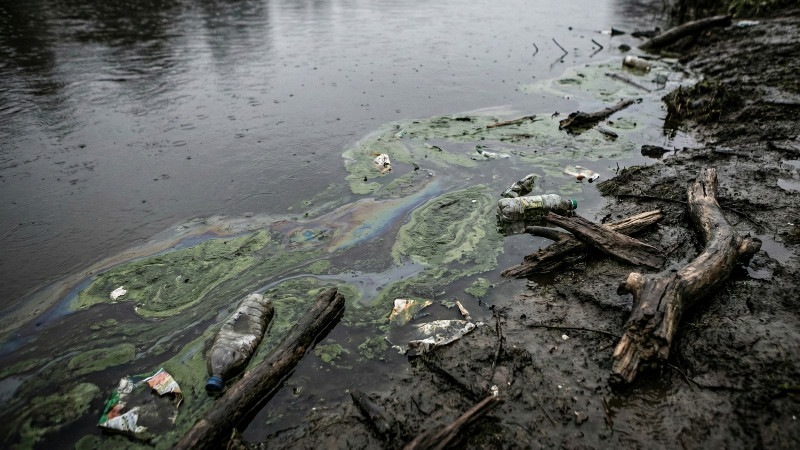
Significant changes are expected in the quality of the water itself. Slowing down the flow will turn the river into a low-flow reservoir, where untreated urban runoff and pollutants will accumulate. This threatens the flowering of water, the appearance of an unpleasant odor and a lack of oxygen. Of particular concern is the situation with tributaries, in particular with the Om River. Water back-up at the mouth will lead to its stagnation and decay, which can provoke environmental incidents similar to those that happened in the 1960s, up to a complete stop of the river flow in the summer. Experts warn that during the “maturation” of the reservoir, which can last for 10-15 years, the water in the Irtysh risks becoming undrinkable without the introduction of expensive additional purification systems.
Hydrological changes will entail coastal erosion and channel deformation. Redirecting the main stream to the right bank, where the residential development of Omsk is located, will double the speed of the current and increase the erosion of the coastline. In some areas of the city, groundwater is projected to rise by 5-7 meters, which will pose a threat to the foundations of buildings. In addition, violation of the natural regime of the river will negatively affect biological resources, destroying spawning grounds and wintering pits for fish. Critics of the project point out that the problem of shallowing should be solved not by erecting a large-scale hydraulic structure, but by banning sand mining and diplomacy with Kazakhstan and China.
Alexander Eskendirov (Rivers.Help!)
Original (in Russian): Экологи: гидроузел на Иртыше грозит превратить реку в цветущее болото