
Afghanistan’s Naghlu Hydropower Plant Reaches 17-Year Generation Record
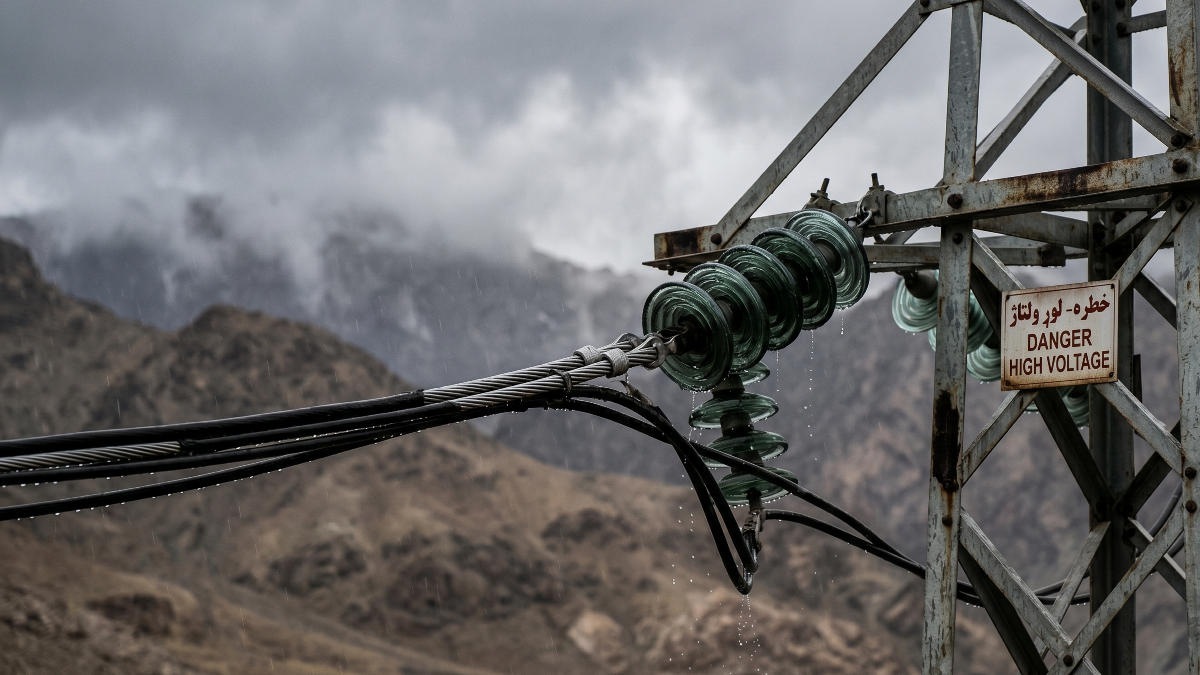
The Naghlu Hydropower Plant, one of Afghanistan’s largest hydroelectric facilities with a capacity of 100 megawatts, has achieved record electricity generation levels not seen in the past 17 years. The national power utility, Da Afghanistan Breshna Sherkat (DABS), attributed this performance to a combination of favorable weather conditions, the accumulation of sufficient water reserves, and the completion of equipment repairs.
During the first two months of the current Afghan solar year, the plant generated 116,000 megawatt-hours of electricity. The sharp increase in output was driven by heavy rainfall across the region in recent months, alongside optimized water resource management at the reservoir.
Engineers and technical personnel have resolved long-standing operational issues with the generating equipment, enabling all four turbines to run at their maximum design capacity. The alignment of favorable climate conditions and the technical readiness of the units has allowed the facility to maximize its production potential. Energy officials expect to maintain these generation rates in the coming months, provided reservoir levels remain stable and the machinery continues to function without interruption.
Constructed between 1960–1968 with technical and financial assistance from the Soviet Union, the Naghlu Hydropower Plant remains a prominent symbol of Soviet-era infrastructure cooperation in Afghanistan. Following the collapse of the pro-Soviet administration in 1992, the station was used to cut off the electricity supply to Kabul and fell into severe decline during the 1990s. By 2012, all turbines had ceased operating, leaving the plant inactive for an extended period. The full rehabilitation of all four units was completed only in 2018–2019, funded by the World Bank with the participation of Russian engineering firms.