
CASA-1000 Central Asia Energy Project Eyes 2027 Launch
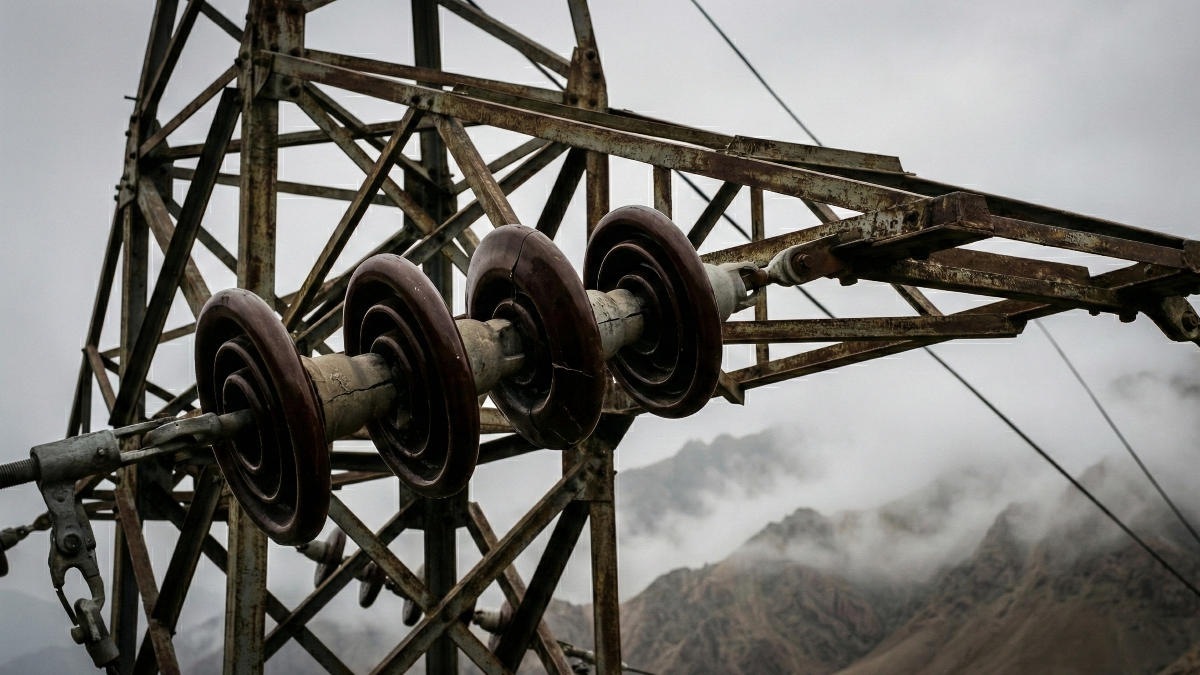
Commercial electricity supplies for the CASA–1000 interregional energy project are scheduled to begin in 2027. The updated timeline was announced at the Economic Forum of the UN Special Programme for the Economies of Central Asia (SPECA) in Ashgabat. The project is designed to link the energy systems of Central and South Asia, enabling the annual export of 1.3 GW of surplus summer hydropower from Kyrgyzstan and Tajikistan to Afghanistan and Pakistan.
Tajikistan’s hydropower is positioned to play a key role in regional grid stability. As Kazakhstan and Uzbekistan increase their solar and wind power capacity, there is a growing need for flexible generation to compensate for the intermittent output of renewables. Tajikistan’s existing hydropower facilities, particularly the Vakhsh River cascade, already help balance the regional grid. This capacity is expected to expand significantly with the completion of the Rogun Hydropower Plant, which is projected to export energy and provide system services to neighboring countries.
Despite its stated importance for the regional economy, the construction of the Rogun HPP remains a subject of international debate and has faced criticism from environmental organizations. The project is a strategic priority for the government in Dushanbe. These large-scale export plans contrast with ongoing energy deficits within Tajikistan itself, where the population experiences electricity rationing–known as energy limits–during the autumn and winter months. Rural areas are particularly affected, with power often available for only a few hours per day, leading to social tension.
The CASA–1000 project, initiated in 2018, has an estimated cost of $1.2 billion and is supported by international financial institutions, including the Islamic Development Bank. Its implementation was delayed due to political instability in Afghanistan following the change of government in August 2021, which halted work on a key transmission line segment. Funding for the Afghan section was resumed in 2024 after international negotiations. Construction in Afghanistan is now scheduled for completion by the end of 2026, which would synchronize the power grids of the four participating countries and allow the corridor to become commercially operational by the 2027 target.