
Tajikistan: 25,000 Residents Face Uncertainty Over Rogun Dam Resettlement
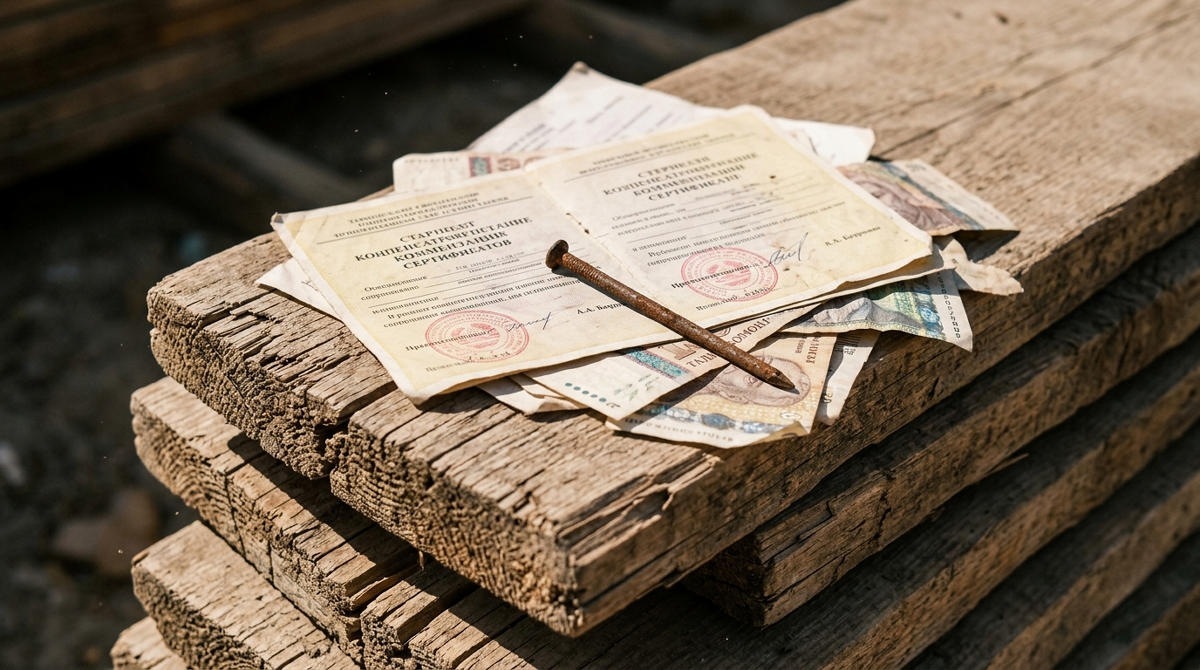
More than 25,000 citizens of Tajikistan residing in territories designated for inundation by the Rogun Hydropower Plant remain without information regarding their future resettlement locations. There is currently no confirmation that the government will provide necessary compensation to those whose homes are situated within the flood zone. The Rogun project, which the government decided to resume in 2008, requires the creation of a massive reservoir that will submerge several existing settlements, necessitating a large–scale mandatory resettlement program.
Families in the affected regions are in a state of prolonged administrative limbo. New construction is prohibited on land slated for inundation, yet many residents lack the financial resources to develop the alternative plots provided by the state. Property valuations conducted several years ago have not been updated to reflect the increased costs of construction materials; for example, the price of timber has tripled from 50 somoni (approximately $5.50) to 150 somoni (over $16). Inquiries regarding the amount and timing of compensation directed to the Rogun HPP Inundation Zone Directorate in Dushanbe have been met with administrative unavailability.
Previous relocation efforts have encountered significant infrastructure and logistical difficulties. In the Roguniyon settlement established in 2012, residents report that land allocations were smaller than the promised 2,000–3,000 square meters. Multi–generational families are often forced to occupy single dwellings despite prior assurances of separate land parcels for adult children. Additional reports indicate that poor soil quality in the new districts is unsuitable for agriculture, and access to water and electricity is inconsistent. These factors have contributed to increased labor migration to Russia among those who have already been relocated.
Official estimates indicate that the Rogun Hydropower Plant project will eventually displace approximately 50,000 people. Data released mid–2023 indicates that 15,000 citizens have already received land and housing in other regions. Compensation protocols include a one–time payment of $10–$20 per person and the availability of preferential loans of up to $540. The total project cost for the Rogun Hydropower Plant has escalated from $3 billion in 2008 to more than $6 billion. Rivers without Boundaries continues to monitor the social and environmental consequences of the project as it moves toward completion.